Chemnitz is Saxony's third largest city, and it carries its history more conspicuously than most. From 1953 to 1990 it was called Karl-Marx-Stadt, and while the name reverted after reunification, the 7-metre bronze head of Karl Marx that dominates the city centre — the largest such monument outside the former Soviet Union — stayed put. It's one of the most striking pieces of public sculpture in Germany, and worth seeing for that alone.
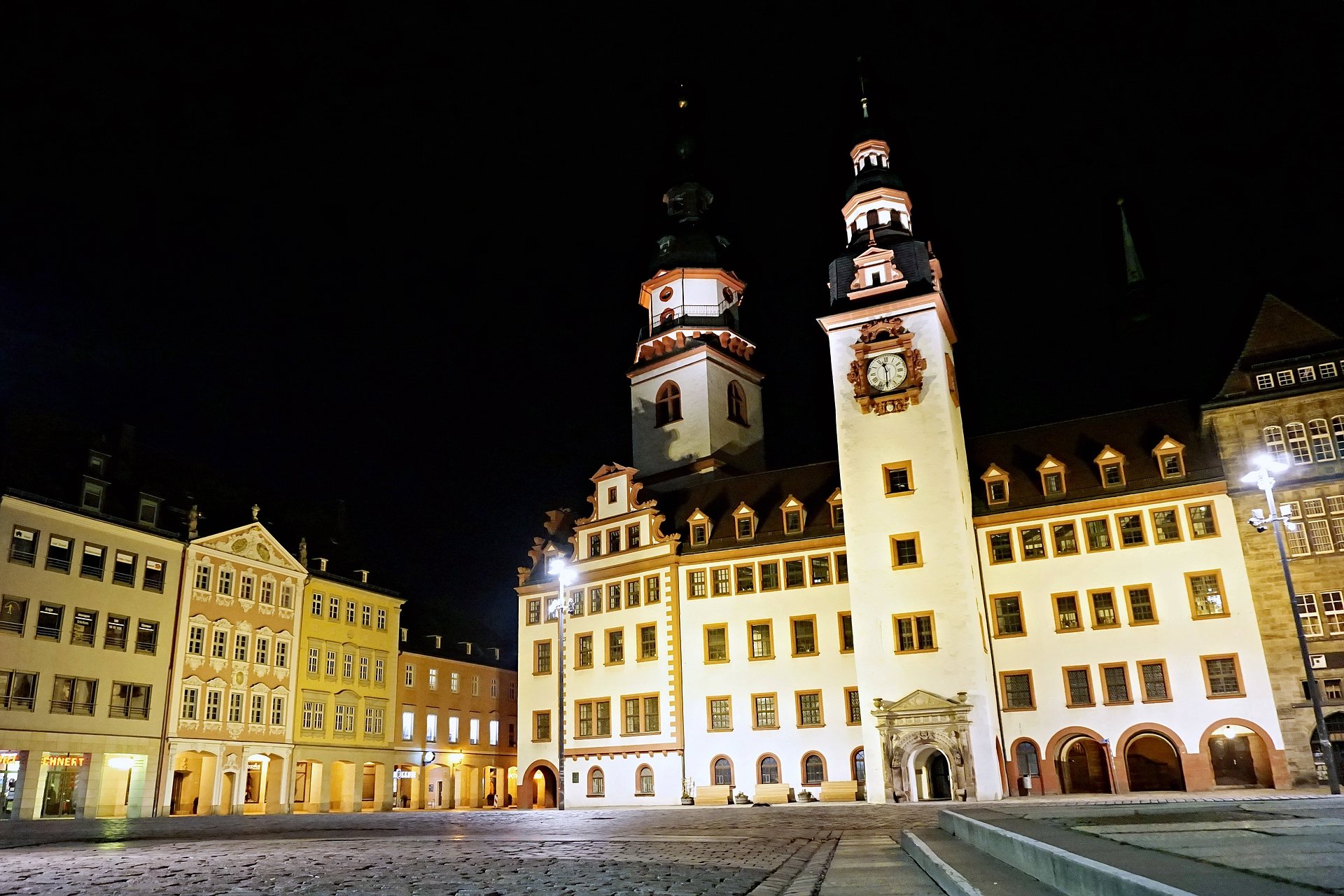
The city was a major industrial centre, known for textile machinery and engineering, and was heavily bombed in World War II. Much of the postwar architecture is unlovely, but the rebuilt Altstadt has a decent market square, and there are some good museums: the Kunstsammlungen Chemnitz (art museum) has a strong collection of German Expressionism, and the State Museum of Archaeology Chemnitz occupies a converted department store with an excellent permanent collection.
Chemnitz is the European Capital of Culture for 2025, which has brought significant investment in cultural infrastructure and a programme of events. It's not a polished tourism destination, but it's an honest Saxon city with real character and good connections to the Erzgebirge mountains to the south.