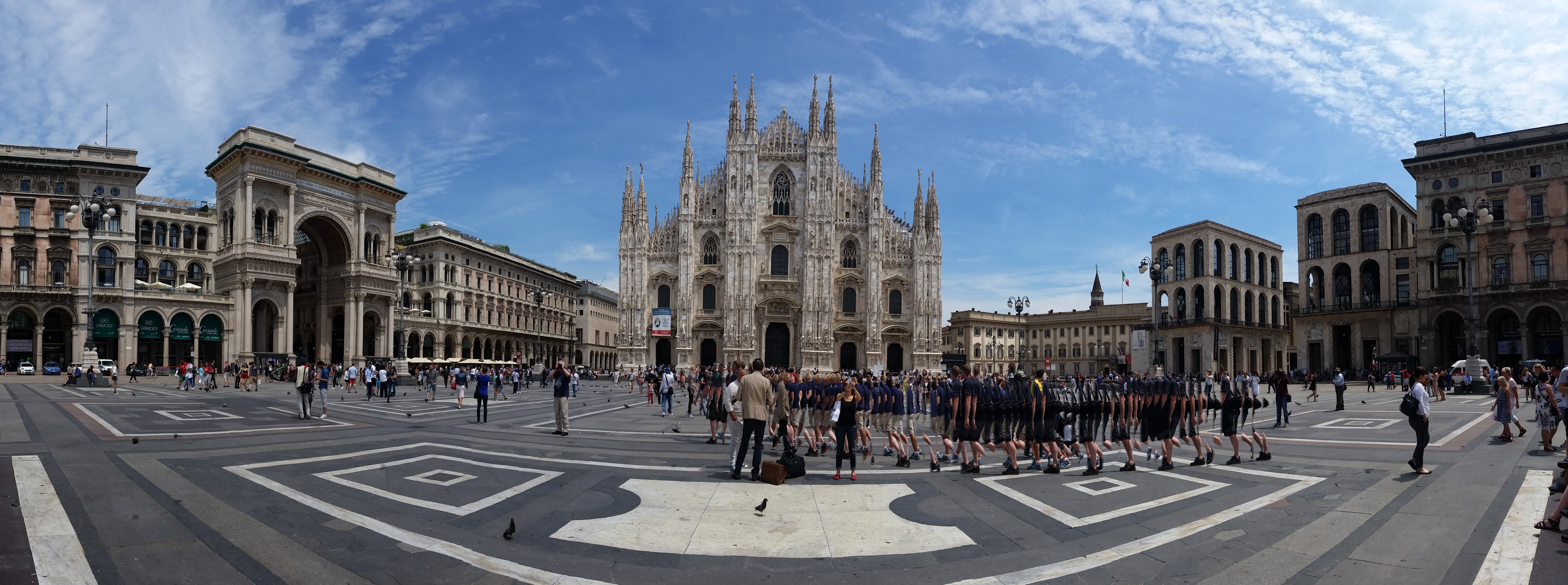
Milan is the economic capital of Italy and one of the major financial and fashion centres of Europe. It is a city of contradictions: brutally efficient in business, yet possessed of some of the country’s finest art and architecture. The Duomo di Milano — the Gothic cathedral that took five centuries to complete — dominates the centre and sets the tone: ambitious, elaborate, and absolutely serious.
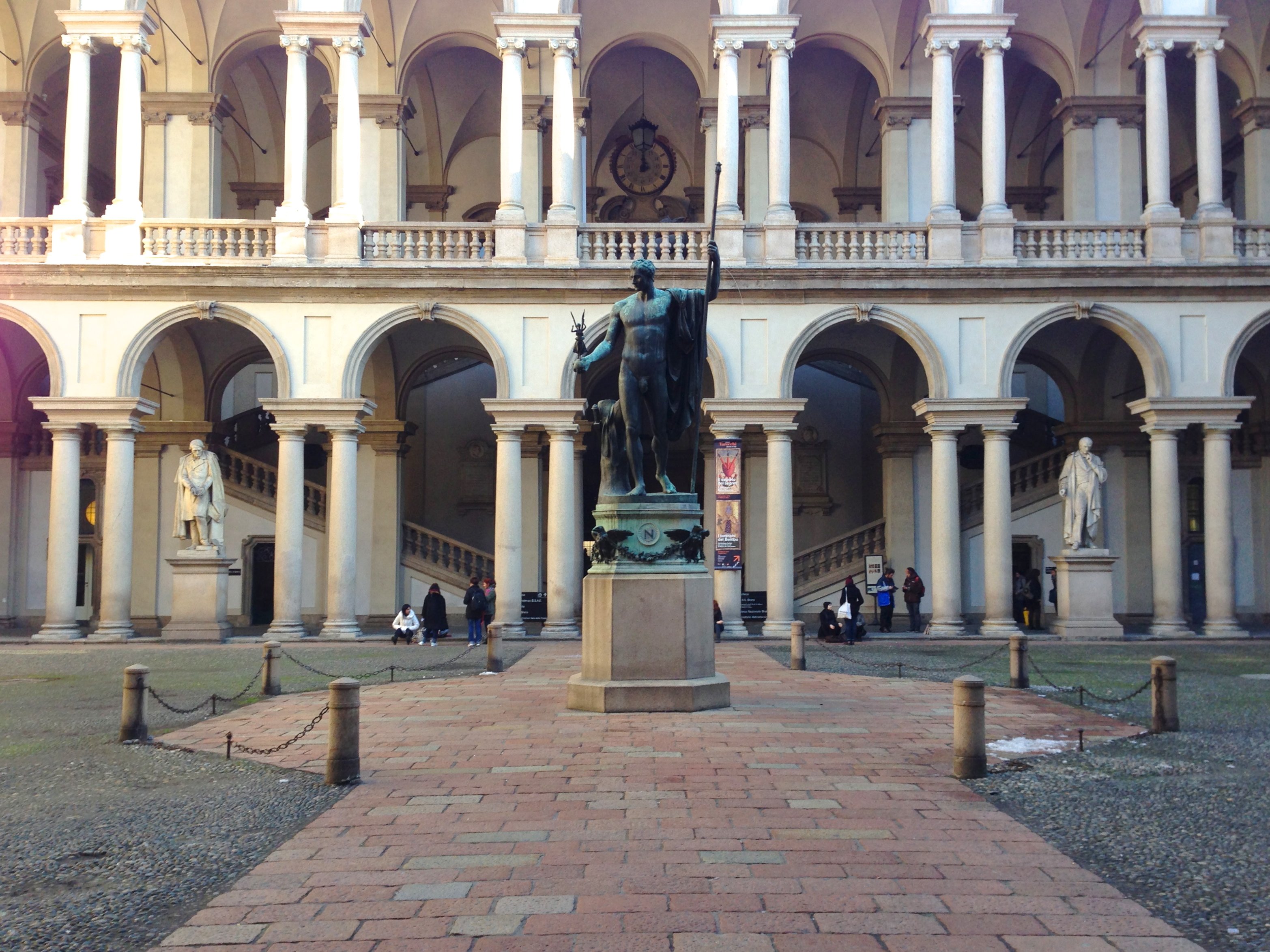
The historic centre holds the essential sights. Santa Maria delle Grazie houses Leonardo da Vinci’s Last Supper, one of the most important paintings in Western art (book months ahead). The Castello Sforzesco contains Michelangelo’s last unfinished sculpture. The Pinacoteca di Brera has the best Renaissance collection in northern Italy. The Galleria Vittorio Emanuele II, the 19th-century iron-and-glass shopping arcade, connects the Duomo to Teatro alla Scala, the world’s most famous opera house.
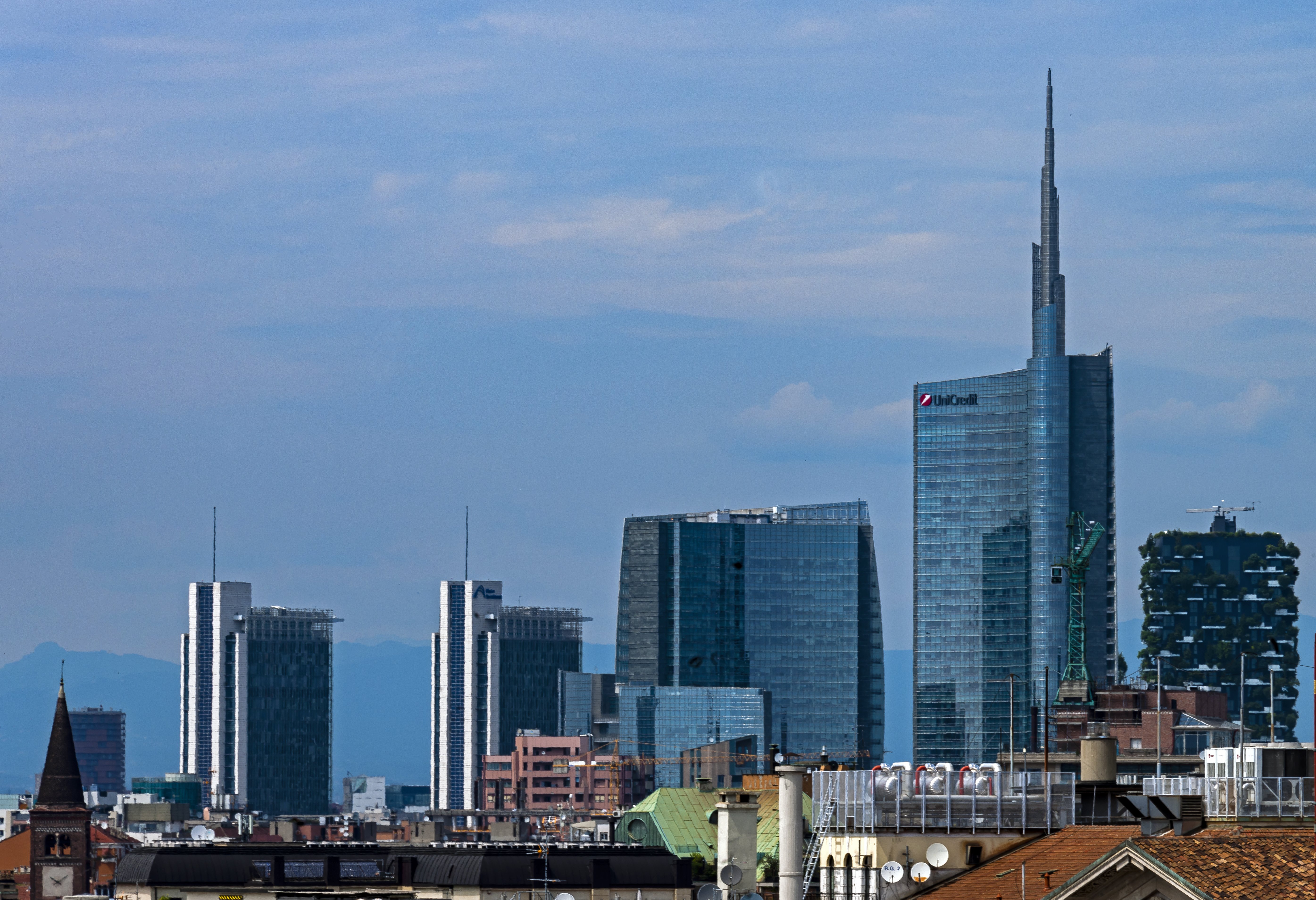
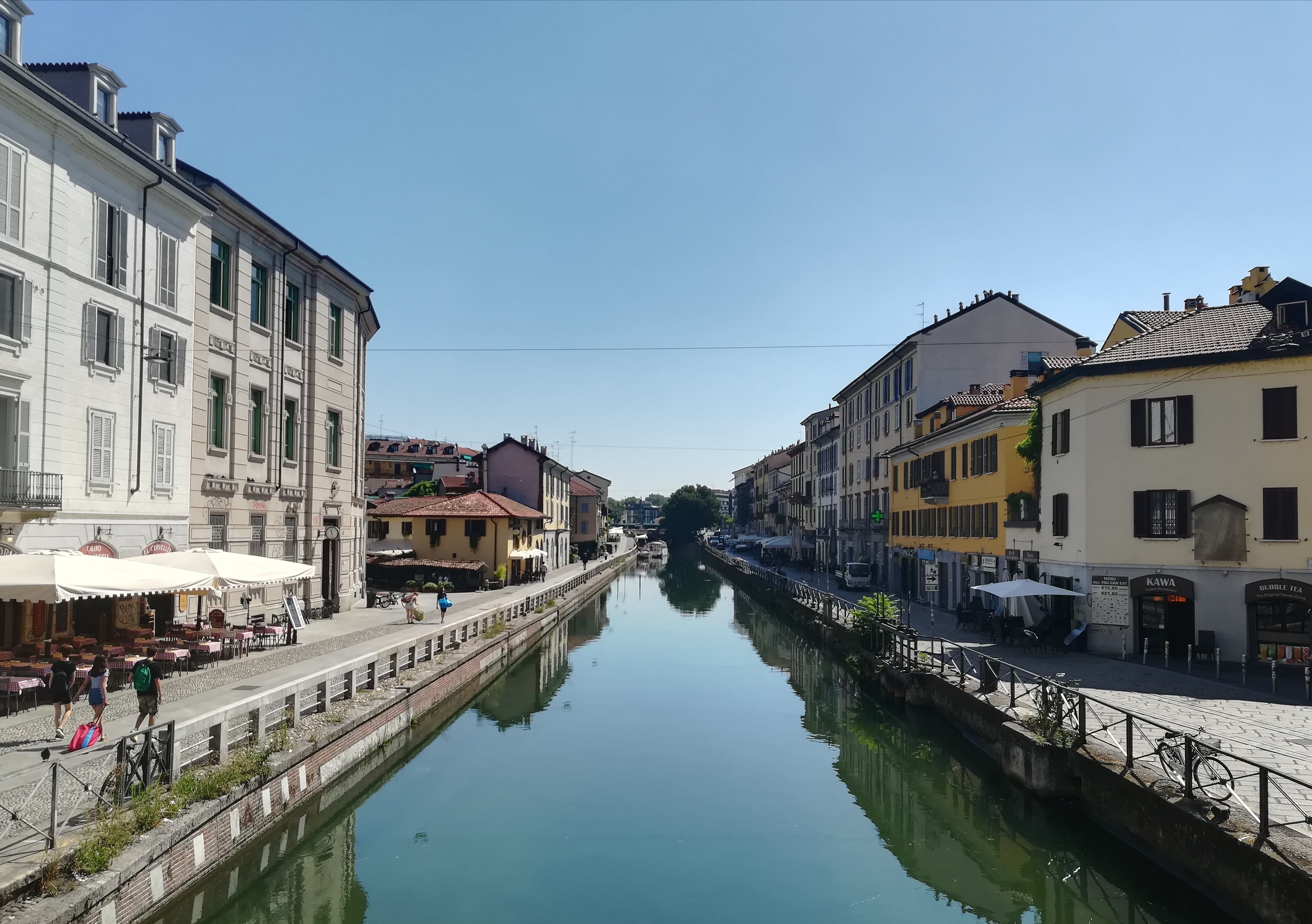
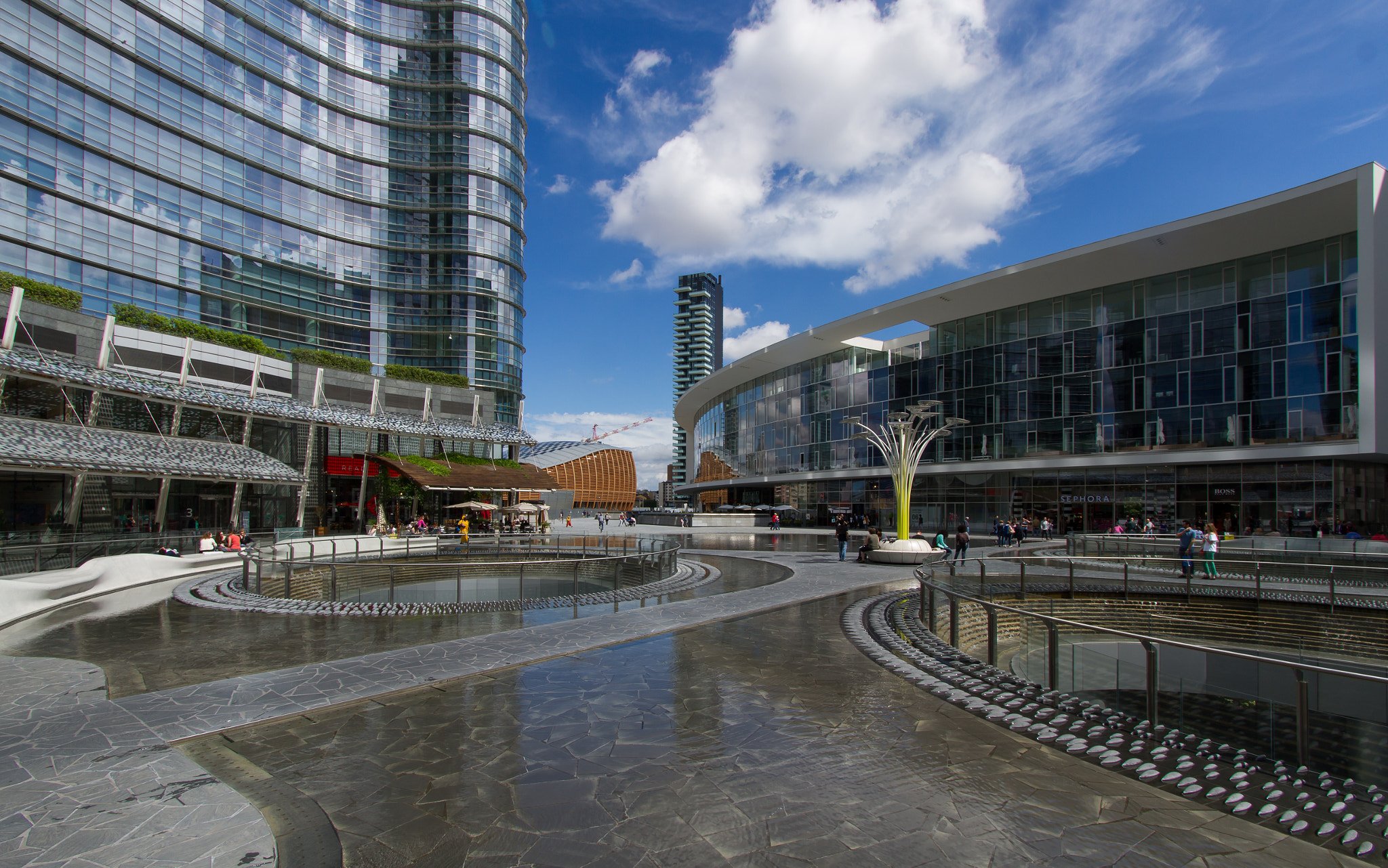
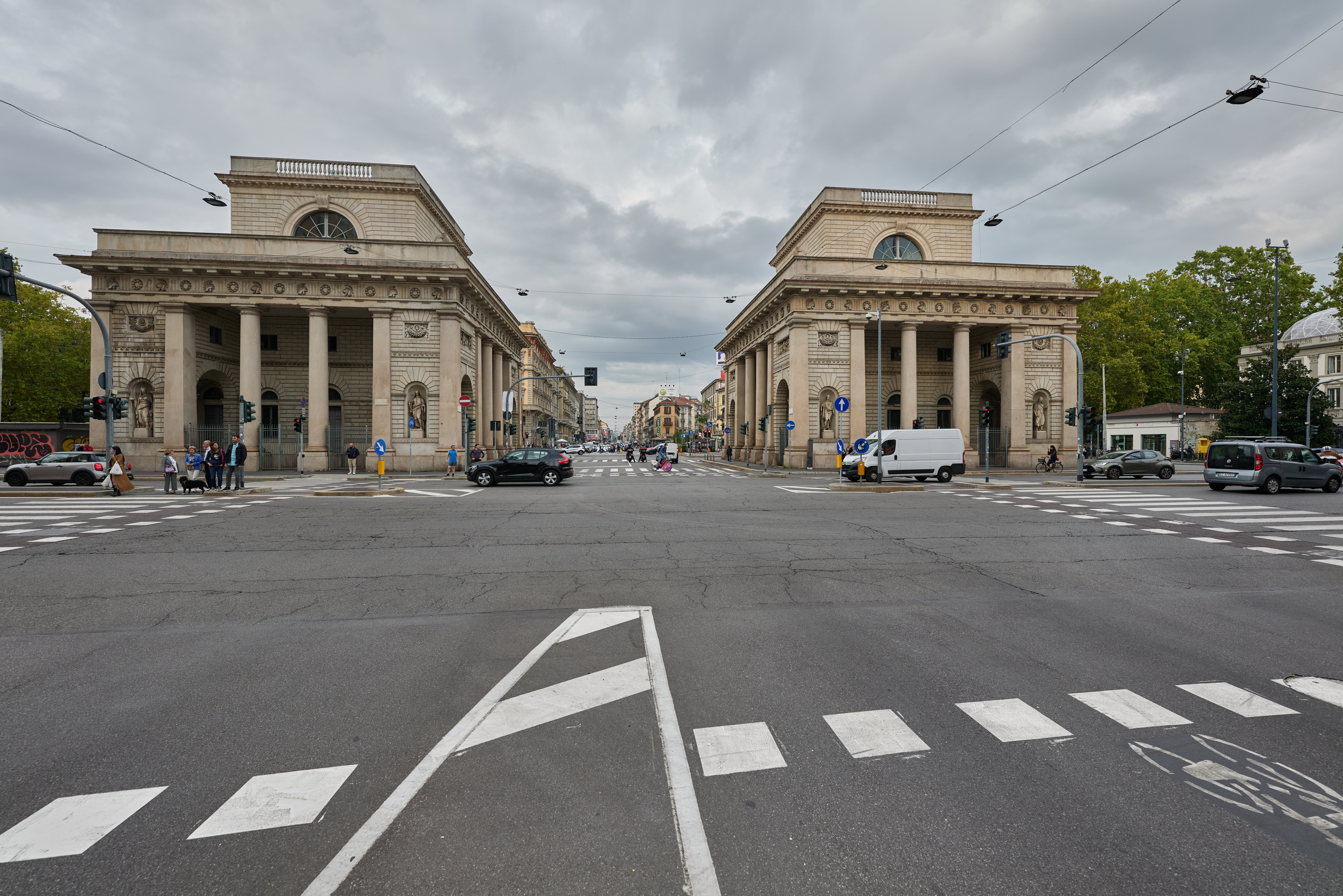
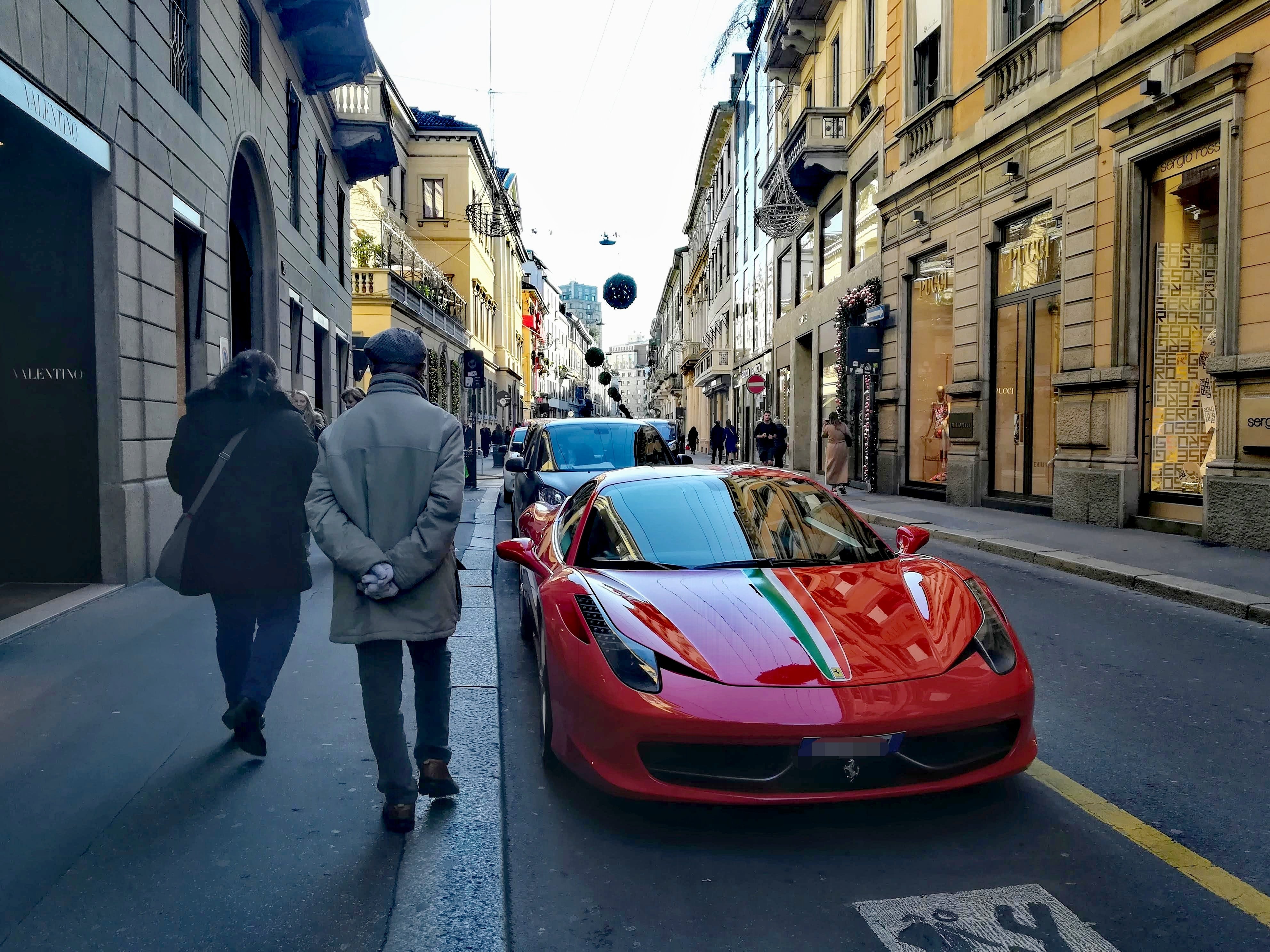
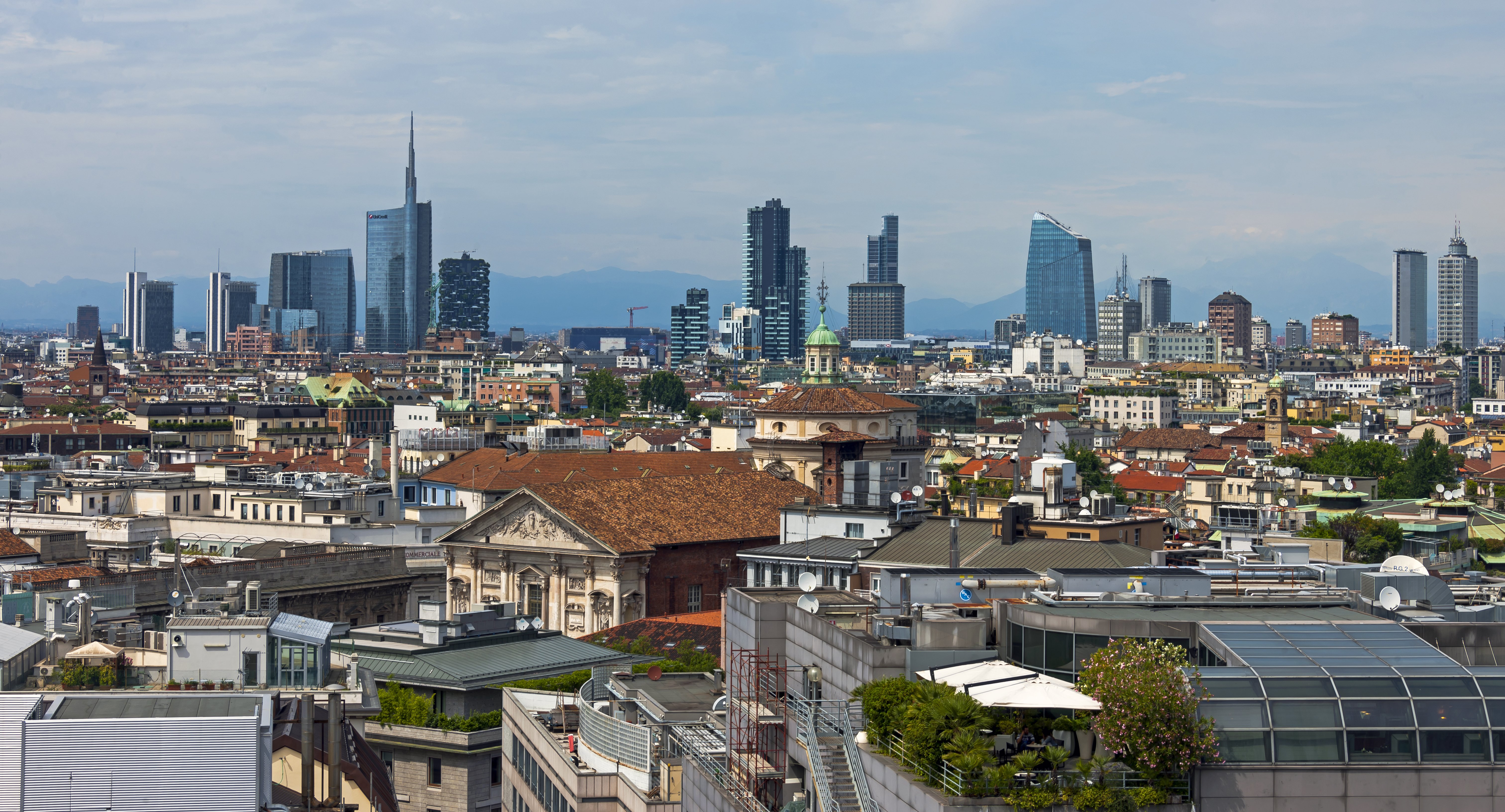
Beyond the monuments, Milan rewards wandering. The Brera neighbourhood has cobbled streets, galleries, and the Pinacoteca. The Navigli canal district comes alive at aperitivo hour. Via Montenapoleone and the Quadrilatero della Moda offer the world’s highest concentration of Italian fashion houses. The Fondazione Prada, in a converted distillery south of the centre, is one of the best contemporary art spaces in Europe, in the up-and-coming Porta Romana district beyond the Arco di Porta Romana gate. To the north, Porta Nuova has given the city a skyline of glass towers and the tree-clad Bosco Verticale.
Day trips from Milan are exceptional: the Certosa di Pavia (a Carthusian monastery of breathtaking elaboration), Bergamo’s medieval upper town, and the Italian Lakes are all within two hours.