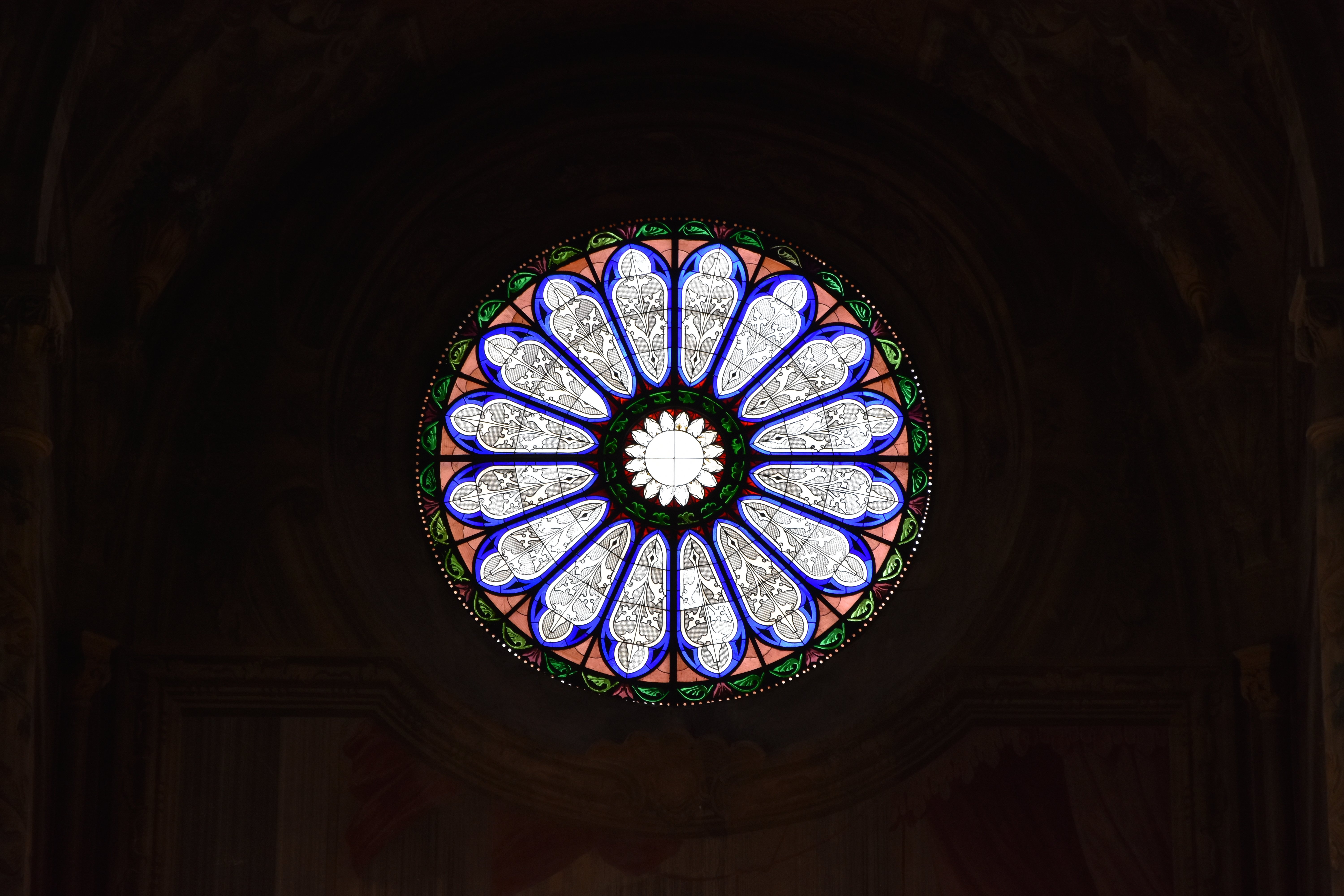
Asti is Piedmont without Turin’s polish or Alba’s gourmet mythology: a compact brick city of towers, churches, wine shops, and porticoed streets set among the hills that produce Barbera d'Asti and Moscato d'Asti. It is busy enough to feel alive, small enough to cross on foot, and much more rewarding than its low international profile suggests.
The medieval city once had so many towers that chroniclers counted more than a hundred. A handful still rise above the centre, led by the Torre Troyana, while the Cathedral of Santa Maria Assunta and Collegiata di San Secondo show the city’s Romanesque and Gothic confidence. Palazzo Mazzetti adds a more elegant Baroque note.
Asti is also a useful base for Monferrato. Come in September for the Palio and wine events if you like crowds and ceremony; come in spring or autumn if you would rather drift between churches, markets, and vineyard roads at a slower pace.