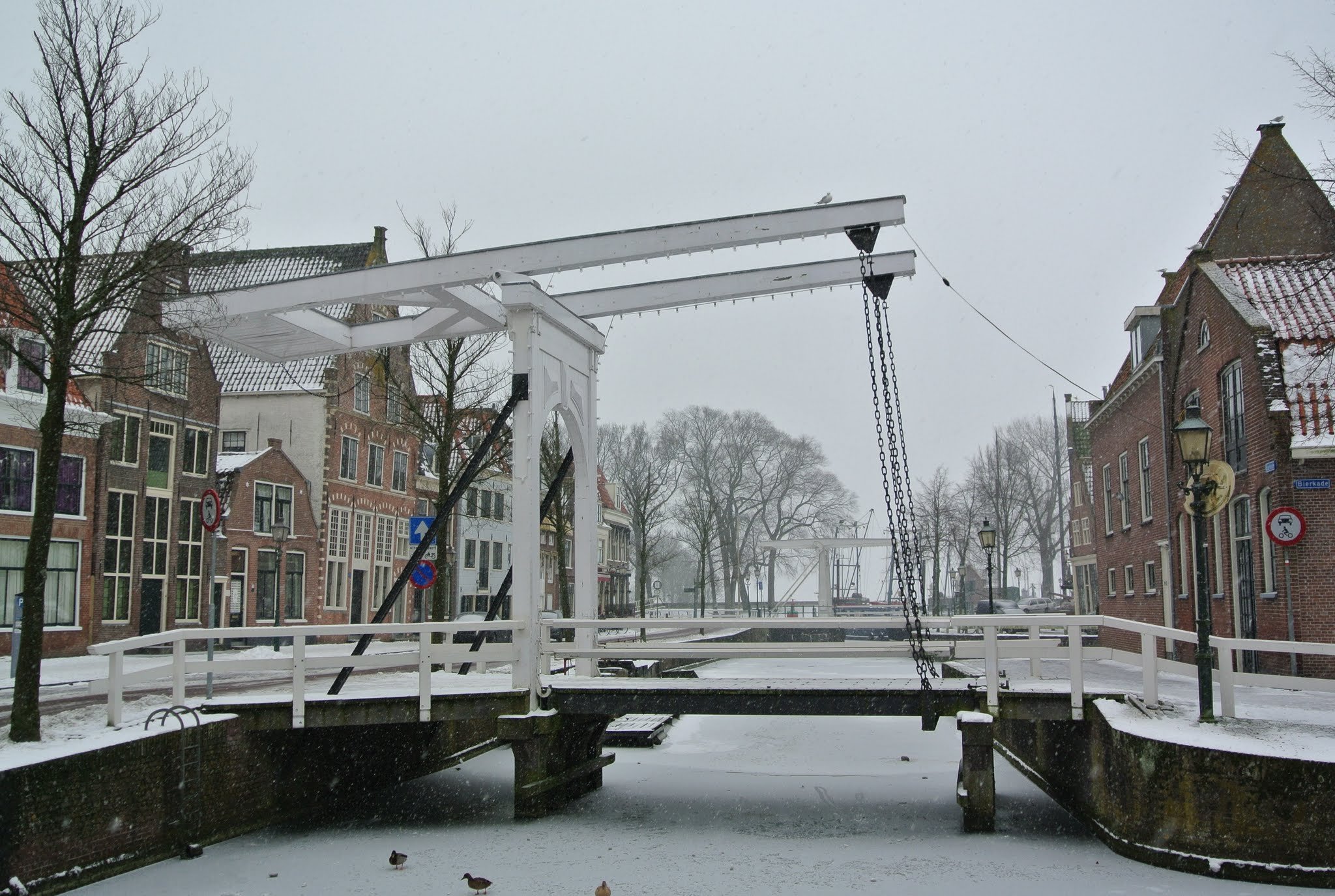
Hoorn is one of the best-preserved former trading cities in the Netherlands, a place that was briefly one of the most important harbours in the world during the 17th-century Dutch Golden Age and has spent the intervening centuries declining slowly and gracefully. The VOC — the Dutch East India Company — had its headquarters here, and the Hoorn merchants who grew rich on the spice trade built themselves a compact town of gabled merchants' houses around a harbour that still looks much as it did in Rembrandt's time.
The city sits on the Markermeer (formerly the Zuiderzee before the IJsselmeer was enclosed by dyke), a large inland lake created by the famous Dutch engineering works of the 20th century. This matters to visitors because the relationship with water is different here from the open sea of Dutch coastal towns, and the old harbour has a melancholy beauty rather than the industrial energy of Rotterdam or Amsterdam. The Westfries Museum in the old council house documents the city's Golden Age history in fitting surroundings.
Hoorn is best known outside the Netherlands for being the origin point of two famous expeditions: in 1616 Willem Schouten and Jacob le Maire sailed from Hoorn and became the first Europeans to round the southernmost tip of South America, which they named Cape Hoorn (Horn) after their hometown. That cape in turn became the most feared piece of geography in maritime history. This is the kind of footnote that turns a pleasant old town into something more memorable.
Hoorn makes an excellent day trip from Amsterdam — about 35 minutes by train — and can easily fill a half-day. Combine it with Enkhuizen or Medemblik on the same trip if you want to see more of this distinctive West Frisian coastline.