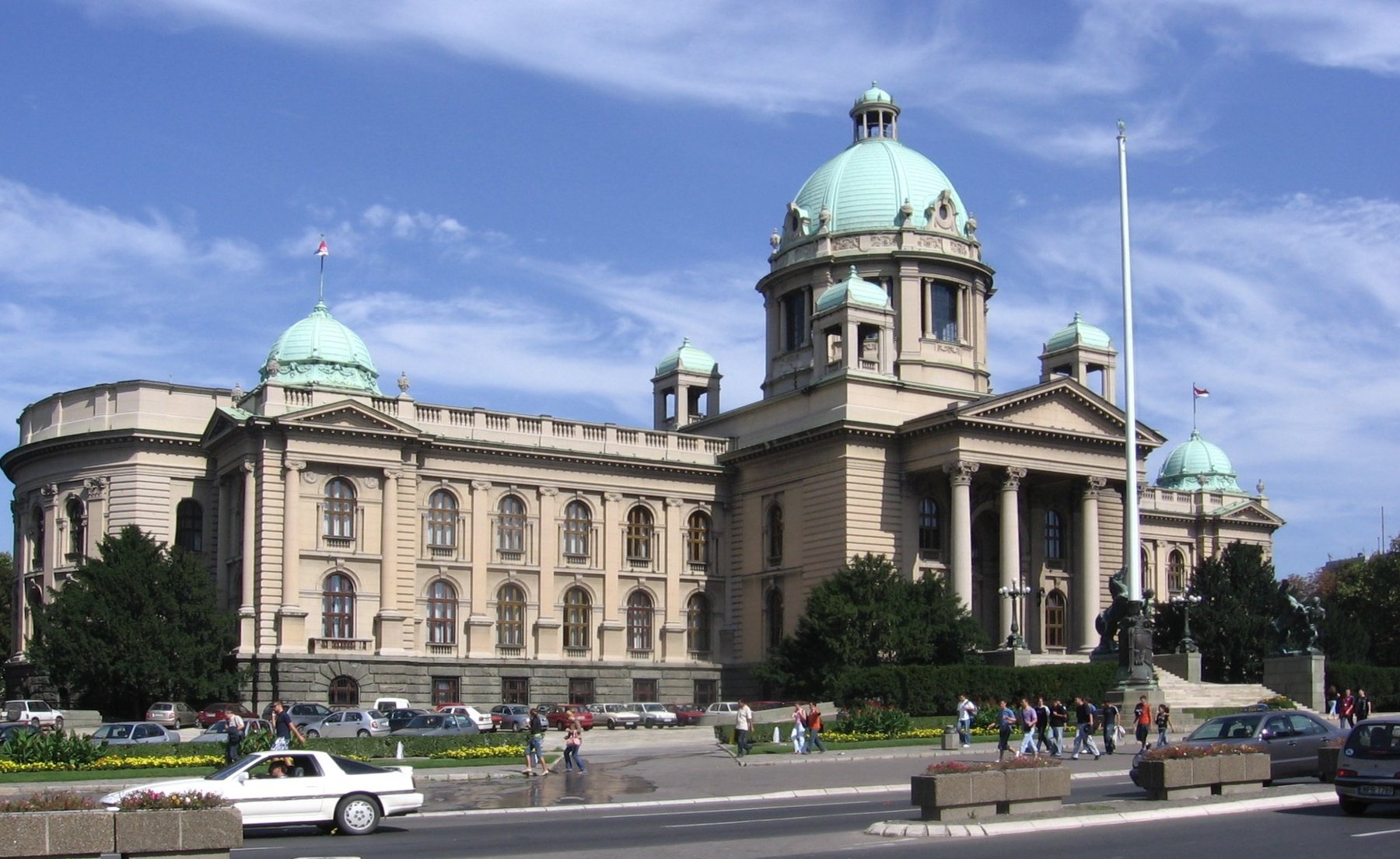
Belgrade is the capital of Serbia, a city of around 1.3 million people perched on the confluence of the Sava and the Danube — one of the most strategic river junctions in Europe, and one that has been fought over and rebuilt so often (forty-odd times, by most counts) that the layered, slightly battered character of the old city is part of its identity. It is neither as pretty as Prague nor as polished as Vienna, and it doesn't pretend to be. It is gritty, raucous, fiercely proud, and has one of the best nightlife scenes in Europe. It has become, in the last decade or so, one of the more compelling city breaks in the Balkans.
The Kalemegdan fortress is the heart of it all: a hilltop citadel where Celts, Romans, Byzantines, Ottomans, and Habsburgs have all built in turn, now a rambling park of ramparts, cafés, and museums with the best view in the city — north across the Danube, west across the Sava. Within the fortress walls, the tiny Ružica Church — lit by chandeliers made from weapons salvaged off the First World War's battlefields — is one of the strangest and most affecting places in the city. The old town stretches south from the fortress along Knez Mihailova, a handsome pedestrian street, and down into Skadarlija, the old bohemian quarter — a cobbled street of traditional kafanas with live music, sheltered courtyards, and plates of grilled meat. Tri Šešira and Znak Pitanja are the most historically grounded places to eat.
Across the Sava, New Belgrade is the modernist other half of the city — vast Yugoslav-era housing blocks, the Museum of Yugoslavia (where Tito is buried), and the floating river clubs known as splavovi, which line the banks and turn into open-air nightclubs when the weather warms up. The Museum of Contemporary Art on the riverfront is an essential stop for Yugoslav modernism. The Nikola Tesla Museum is small but surprisingly engaging — Tesla's ashes sit in a gold-plated sphere in the middle of a room full of his working inventions.
For nightlife, Strahinjića Bana in the Dorćol neighbourhood is where the bar terraces run longest. Eat ćevapi (grilled minced meat), drink rakija — usually šljivovica, the plum brandy — and stay out late. The city is also a good jumping-off point for the Serbian monasteries (Fruška Gora to the north, Studenica and Žiča to the south), for the Danube gorges downstream at Đerdap, and for onward travel through the Balkans.