Porto Cristo
©
Porto Cristo

Porto Cristo

Mallorca east-coast harbour resort, known for Coves del Drac and a sandy inlet beach

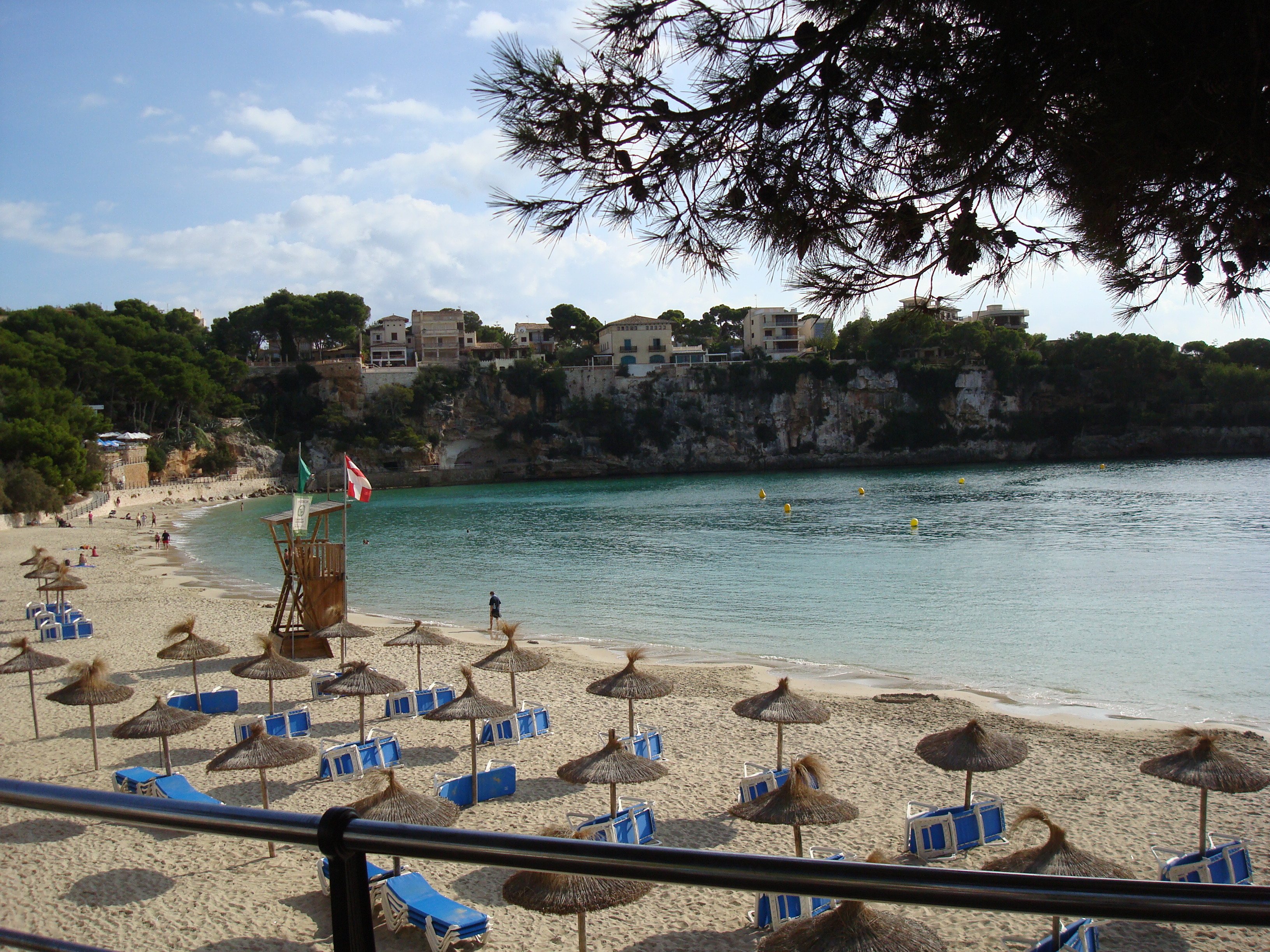
Set on a hillside overlooking a small natural harbour on Mallorca's east coast, Porto Cristo is a pretty resort with genuine old-world charm. The tree-lined esplanade along the waterfront is lined with bars and cafes, and a sandy beach sits at the head of the inlet.

Porto Cristo's biggest draw is the Coves del Drac (Caves of Drach), a spectacular system of underground caverns that leads to Lake Martel — one of the largest subterranean lakes in Europe. Classical music concerts are performed on the lake by musicians in illuminated boats, which is as theatrical as it sounds. The nearby Coves dels Hams are smaller but less crowded.

Guide

Beaches

Porto Cristo's own beach sits at the innermost point of the harbour inlet, sheltered by the rocky headlands on either side. It's a compact stretch of sand — not a place for solitude in high summer — but the calm, shallow water makes it ideal for families, and the setting, ringed by old buildings climbing the hillside, has real charm. The promenade runs right alongside, so stepping off the beach for a coffee or an ice cream takes no effort at all.

The real coastal riches lie a few kilometres south. Cala Romantica (also called Cala Anguila on some maps) is a pair of beautiful coves separated by a low headland, fringed with pine trees that shade the path down to the water. The sea here is a vivid turquoise, the sand coarse and golden, and the atmosphere a notch quieter than Porto Cristo itself. Cala Anguila and Cala Magrana, tucked further into the same stretch of coast, are smaller still and can feel almost private if you arrive early or out of season. None of these coves has much in the way of facilities, so bring water and something to eat. Access is by car or bicycle along the coastal road, and most have a small car park a short walk from the water.

Guide

Eating Out

The waterfront is the obvious place to eat, and most visitors end up there. The choice runs from casual cafés serving pa amb oli — thick bread rubbed with tomato and olive oil, Mallorca's answer to fast food — to proper restaurants where the day's catch is listed on a chalkboard and the kitchen doesn't rush. Look for bullit de peix, the local fish stew, and for Mallorcan red prawns (gambas rojas de Mallorca) when they appear on menus: they are worth every euro. The esplanade along Passeig Moll concentrates most of the harbour-view tables, and competition between restaurants keeps standards honest.

Away from the water, the streets climbing the hillside hold a few more local options that see fewer tourists. Prices tend to be a little lower and the menus a little more adventurous. If you're self-catering or want to take something to the beach, the small market and bakeries in the centre do a good trade in ensaimadas — the spiral pastry dusted in icing sugar that Mallorcans eat at every hour of the day — and the local shops stock Mallorcan wines and the island's aromatic herb liqueur, hierbas, which is the correct way to end a long lunch.

Guide

Things to Do

Porto Cristo's fame rests almost entirely on its caves. The Coves del Drac (Caves of the Dragon) are among the most visited attractions in all of Mallorca, and the spectacle inside — vast limestone chambers dropping 25 metres below ground, leading down to the subterranean expanse of Lake Martel — justifies every superlative thrown at them. After the guided tour through the caverns, visitors are seated in an amphitheatre on the lake shore and treated to a classical music concert performed by musicians drifting by in illuminated boats. It is theatrical and strange and genuinely moving. The Coves dels Hams, a kilometre to the west, are smaller and far less crowded; they have their own underground lake, the Venice Sea, and a more intimate atmosphere that suits unhurried exploration.

Beyond the caves, Porto Cristo rewards simply wandering. The harbour inlet is one of the most sheltered on the east coast — fishing boats bob alongside pleasure craft, and the tree-lined esplanade that curves along the waterfront fills each evening with strollers and people nursing long drinks at café tables. The sandy beach at the head of the inlet is small and calm, protected from open-sea swell by the narrow channel entrance, making it safe for children and pleasant for a lazy morning swim. For more energetic days, the coast to the south opens into a series of beautiful coves — Cala Romantica, Cala Anguila, Cala Magrana — each worth the short drive or cycle ride. The nearby town of Manacor, famous for producing Majorica pearls, is an easy day trip inland.