O Salnes
©
O Salnes

O Salnes

Galician wine region along the Ría de Arousa, known for Albariño vineyards and coastal villages.

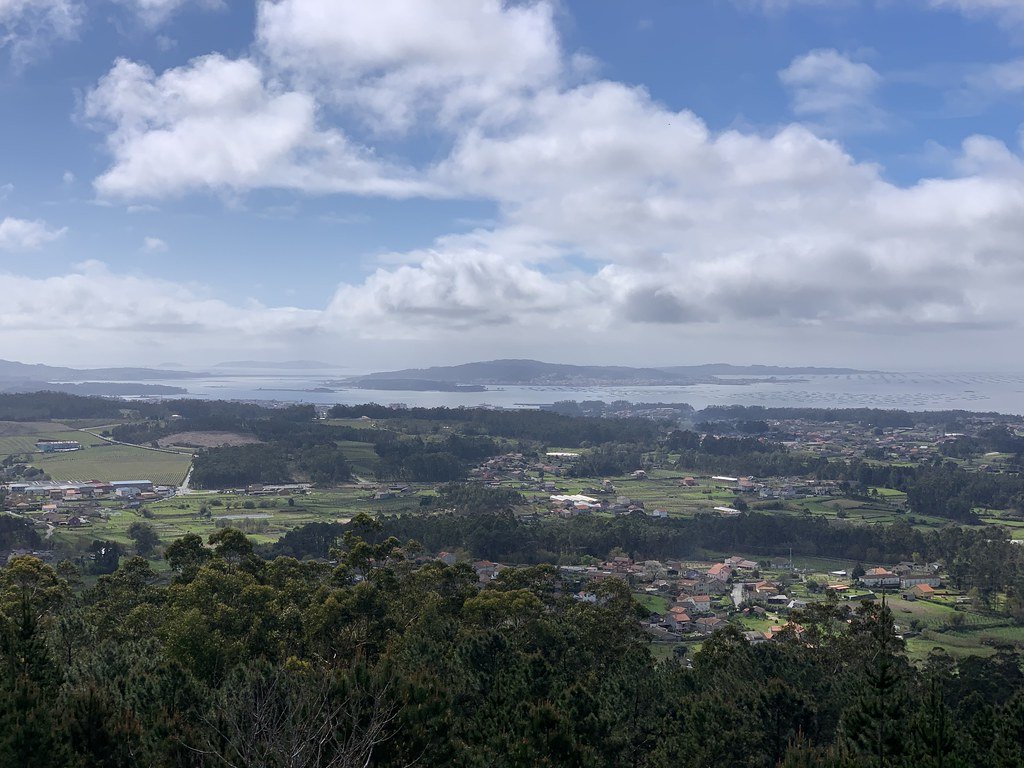
O Salnes is the wine country of Galicia's Rias Baixas, a valley stretching along the southern shore of the Ria de Arousa where the Albarino grape reaches its finest expression. The landscape is a patchwork of small vineyards, granite villages, and misty green hills rolling down to the coast.

Vine-growing here goes back two thousand years, and the harvest between August and October still carries a festive atmosphere, with songs drifting from one vineyard to the next. The whites produced here — crisp, aromatic, and slightly mineral — rank among Spain's most prized, and the Albarino from O Salnes is considered the benchmark for the entire Rias Baixas denomination.

Beyond the wine, the valley offers interesting history. The Torres de Oeste in Catoira are medieval defence towers built to guard against Viking raids up the Ulla River toward Santiago de Compostela. Each August, Catoira hosts the Festa Vikinga, one of Galicia's most colourful festivals, with thousands of revellers dressed as Vikings sailing in on a replica longship.

Guide

Day Trips

The Salnés is small enough that everything inside it is a day trip from everywhere else inside it. Cambados is the obvious anchor — wine, manor houses, the Pazo de Fefiñáns. A Toxa, reached by a short bridge from O Grove on the southern shore, is the resort island with the famous shell-covered chapel. A Lanzada beach, on the open Atlantic at the mouth of the ría, has the best swimming in the comarca and a hilltop hermitage worth a stop on the way home.

Guide

Things to Do

O Salnés is travelled in two registers. The first is the wine country: a network of small villages and gentler hill country south of the Ría de Arousa, lined with the granite walls and pergola-trained Albariño vines that make the comarca's name. Driving the back roads between Cambados, Meaño, and Ribadumia turns up dozens of small bodegas, most of which will let you taste if you ring ahead.

The second is the coast and the ría itself. The water is studded with bateas — the floating wooden platforms that grow most of Spain's mussels and a good share of its oysters — and dotted with islands. The town of Cambados is the de facto capital, with the medieval Torres de Oeste at Catoira marking the comarca's northern boundary on the Ulla. For sea bathing, head out to A Lanzada or the resort island of A Toxa.