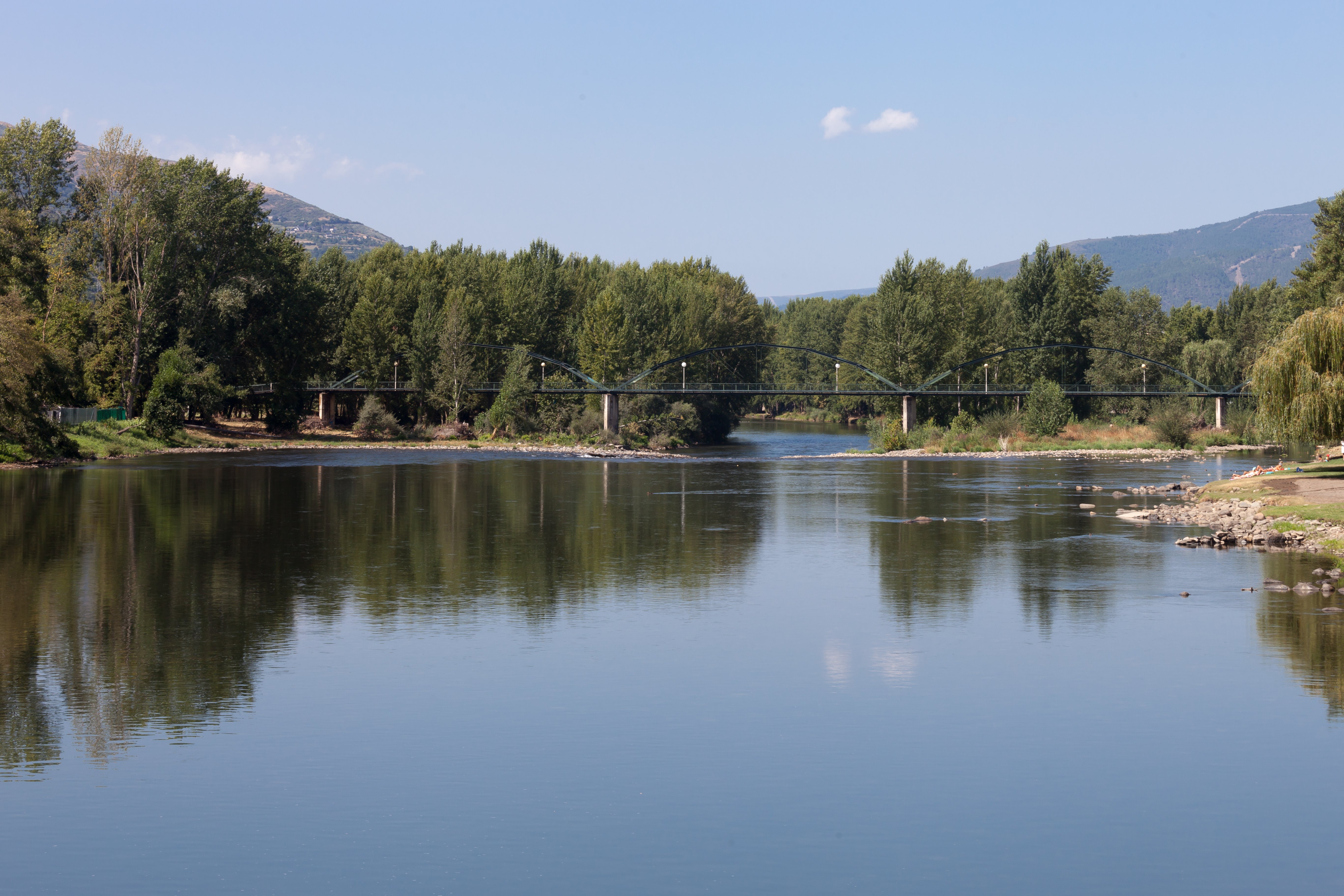
Galician wine comarca along the Sil and Xares valleys, known especially for Godello and Mencía.
Valdeorras is a wine region and comarca in the eastern end of Galicia's Ourense province, along the Sil and Xares river valleys. The DO Valdeorras covers the municipalities of O Barco, A Rúa, Vilamartín, O Bolo, Carballeda de Valdeorras, Larouco, Petín, and Rubiá.
The star variety here is Godello — a white grape that had nearly disappeared by the 1970s but has since been rescued and elevated to international recognition. Valdeorras Godello produces aromatic white wines with a fine fruity character, golden-straw colour, and around 12.5% alcohol. The red wines are primarily made from Mencía, producing intensely purple wines with an elegant fruity bouquet. Both the monovariety Godello white and the Mencía red are among Galicia's finest wines.
The Sil river valley scenery in this part of Galicia is dramatic — steep terraced vineyards clinging to slate hillsides above the river — and the region rewards slow travel.
Guide
Eating Out
The food in Valdeorras is straightforward Galician — which is to say, it's good. Grilled meats dominate the restaurant menus: churrasco (pork ribs with smoky paprika sauce), lacón (cured shoulder), and whatever the local butcher is proud of that week. In O Barco's bars you'll find small plates of empanada, fried pimientos de Padrón when they're in season, cured chorizo, and local cheeses. The wine-bar culture here is relaxed and unpretentious — a plate of something salty and a glass of Godello is the format, and no one rushes you.
Galicia is a serious food region, and even in a small town like O Barco you'll find kitchens that take the raw materials seriously. The Sil valley's altitude and slate soils suit lamb and beef as much as vines, and slow-cooked lamb dishes appear on menus in autumn and winter. If you're visiting during the harvest weeks in September and October, some wineries host informal harvest lunches for their pickers — worth asking about. Don't overlook the bars in smaller villages like A Rúa and Vilamartín, where the food is often better than you'd expect and the Godello is poured at cellar temperature.
Guide
Getting There
By train, Valdeorras is reached via O Barco de Valdeorras station on the Galicia–Meseta line. Trains run from Madrid Chamartín (roughly 5 hours) and from Ourense (around 1.5 hours). The journey from Ourense is the scenic one — the train follows the Sil valley and gives you a preview of the terraced vineyards before you've even arrived. Check Renfe for current schedules; the service is not frequent, so it's worth planning around train times if you're coming without a car.
By car, the A-52 motorway from Ourense reaches O Barco in under an hour. From Madrid, the journey is around 4.5 hours via the A-6 to Lugo and then south, or via the A-52 through Zamora and into Galicia from the east — the latter route drops you into the Valdeorras valley from above, with panoramic views as you descend. The nearest airports are Vigo (VGO) and Santiago de Compostela (SCQ), both roughly two hours by car. A car is genuinely useful here — the wineries are spread across a 30-kilometre stretch of valley, and public transport between villages is minimal.
Guide
Things to Do
Valdeorras is essentially a wine region that you explore by moving from vineyard to vineyard along the Sil valley, stopping in slate-roofed villages along the way. The terraced vineyards on near-vertical hillsides are the visual signature of the comarca, and driving or cycling the valley roads means passing through them constantly. The town of O Barco de Valdeorras is the natural base — it has the most services, a weekly market, and a handful of decent bars and restaurants.
Wine touring is the main draw, but the landscape is genuinely spectacular even if you don't drink. The Sil river canyon downstream feeds into the famous Ribeira Sacra canyon, and the walking here is excellent — steep forested slopes, river views, and almost no one else around. The villages of Rubiá and O Bolo are worth a detour for their vernacular stone architecture, slow pace, and glimpses of a rural Galicia that hasn't changed much in a century.
Guide
When to Go
Late April through May is one of the best windows: the vines are coming into leaf, the valley is intensely green, and the weather is mild without being hot. You'll have the roads and the wineries largely to yourself. September and October are the other peak season, and arguably the more dramatic one — harvest brings activity to every hillside, the light is golden, and the air smells of fermenting grape juice. Most wineries are willing to show visitors around during harvest, and the restaurants cook with a particular energy when the new wine is arriving.
Summer (July and August) can be hot, especially in the valley bottom where temperatures occasionally push past 35°C. The slate hillsides store heat and radiate it back at night. It's not unpleasant if you're used to it, but plan outdoor activities for mornings and evenings. Winter is cold and wet — the valley catches Atlantic weather coming in from the northwest, and January and February are genuinely grey and damp. The landscape has its own beauty in winter, and you'll find the wineries' tasting rooms quiet and welcoming, but it's not the time to come for walking or vineyard visits.