Worcester is a cathedral city on the River Severn in the West Midlands of England. The magnificent Worcester Cathedral, dating from the 11th century, dominates the riverfront and contains the tomb of King John — the only English monarch buried between London and the north. The view of the cathedral from the cricket ground across the river is one of the most photographed in English sport.
The city has a long history of craftsmanship. Royal Worcester porcelain has been made here since 1751, and the Museum of Royal Worcester tells the story in the original factory buildings. Lea and Perrins Worcestershire sauce was invented here in the 1830s and the factory still operates in the city. The Tudor House Museum and The Commandery — a medieval hospital that served as the Royalist headquarters during the Battle of Worcester in 1651 — give the city centre real historical depth.
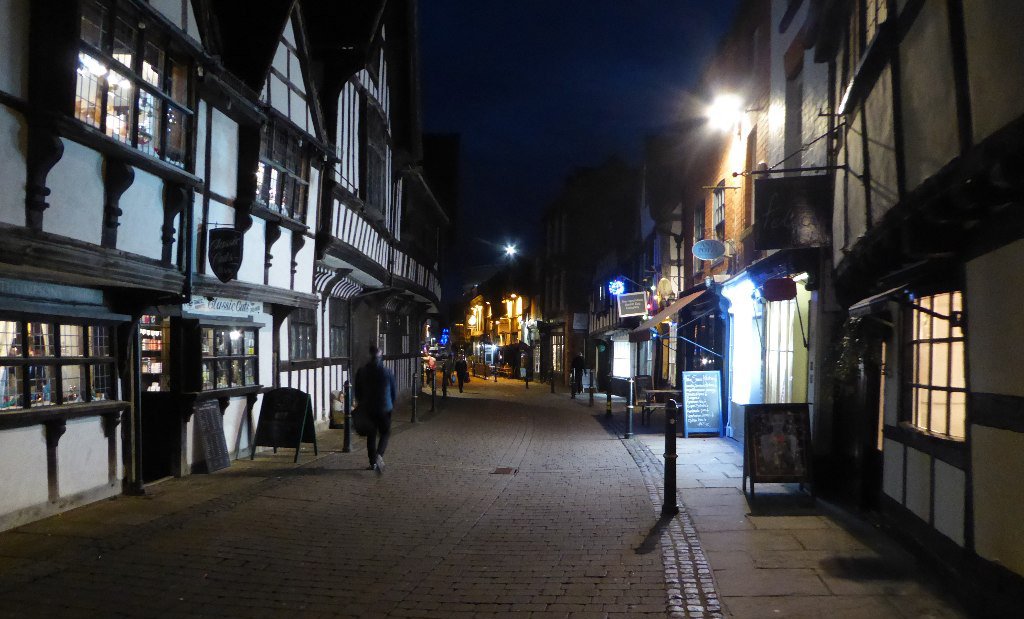
The Severn runs through the heart of Worcester, and the riverside walk south from the cathedral toward Diglis is pleasant in good weather. The city is compact enough to explore on foot in a day: Greyfriars, the National Trust timber-framed merchant's house on Friar Street, the Worcester Guildhall on the High Street with its carved head of Cromwell pinned above the door, and Glover's Needle — a lone medieval church spire standing in a small garden, all that survives of the building bombed in 1940 — are all within easy walking distance. The Malvern Hills, visible from the cathedral tower, are a short drive or bus ride to the west and well worth a half-day hike.