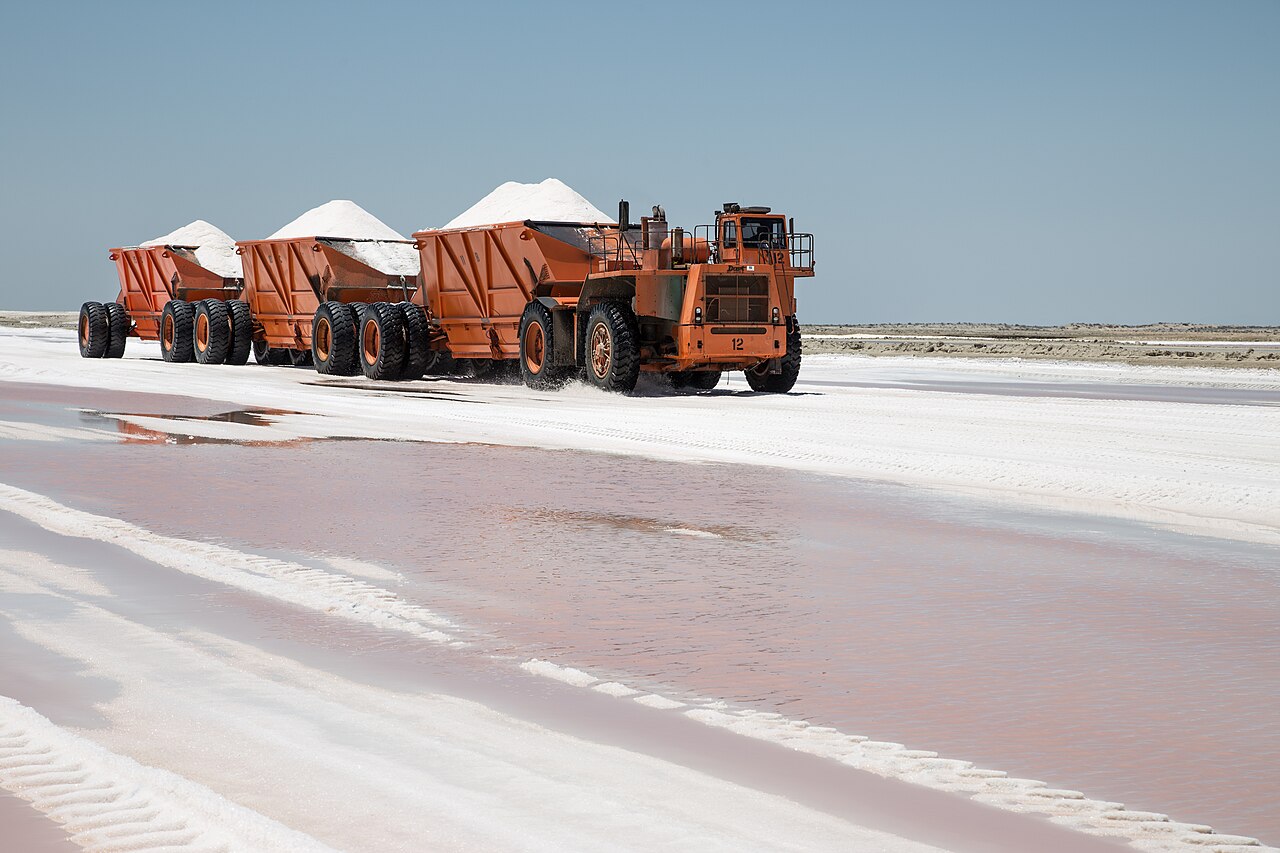
Guerrero Negro is a small, windswept town on the Pacific coast of Baja California Sur, right at the border between the two Baja states. It is not much to look at — a flat grid of dusty streets centred around the world's largest salt-evaporation operation, run by Exportadora de Sal — but between January and April, it becomes one of the best places on Earth to see gray whales. The whales migrate from Alaska to the warm, shallow lagoons here to breed and nurse their calves, and Laguna Ojo de Liebre just south of town is the main event.
Whale-watching pangas take small groups out onto the lagoon, and the experience is extraordinary. The gray whales here are famously friendly — mothers often push their calves toward the boats, and it is not uncommon to find yourself face to face with a creature the size of a bus, close enough to touch. The lagoon and the surrounding El Vizcaíno Biosphere Reserve are also home to sea turtles, ospreys, and enormous flocks of migratory birds. The biosphere reserve was designated a UNESCO World Heritage Site in 1993.
Beyond whale season, Guerrero Negro is primarily a transit stop on the Transpeninsular Highway, a place to refuel, eat fish tacos, and sleep before continuing north or south. The Exportadora de Sal salt flats are an otherworldly landscape — vast white and pink expanses stretching to the horizon — and tours of the salt works can be arranged. Malarrimo Beach to the northwest is famous for the bizarre collection of Pacific flotsam that ocean currents deposit there.
Accommodation is basic but adequate — a handful of simple hotels and a few restaurants serving excellent seafood at low prices. If you are driving the length of Baja, this is the natural place to stop, and if your timing is right for whale season, it is worth planning your entire trip around it.