Urubamba
©
Urubamba

Urubamba

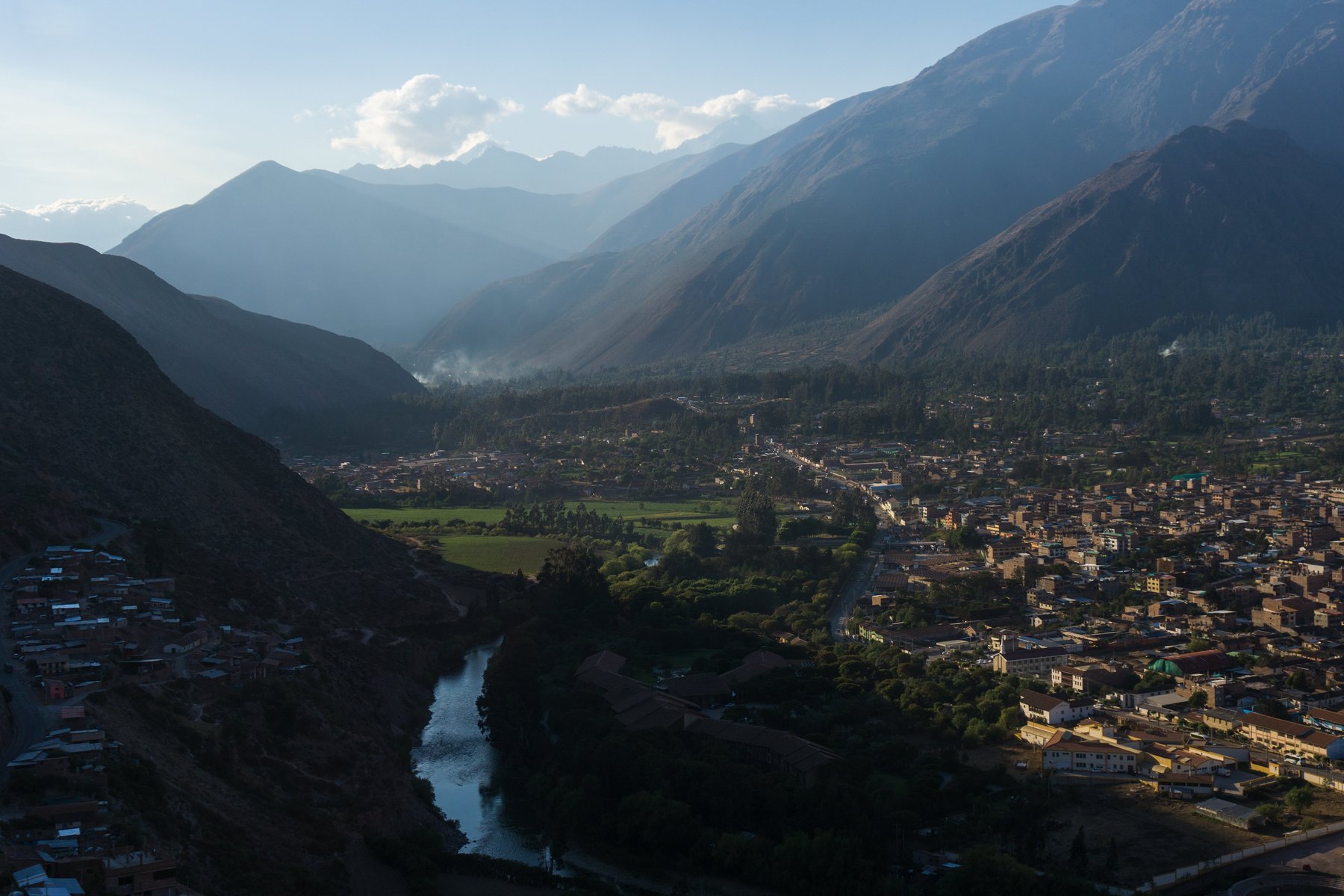
Sacred Valley market town below Cusco, set among fertile fields along the Urubamba River.

Urubamba is a small market town in Peru's Sacred Valley, about 60 kilometres northwest of Cusco along the valley floor. At 2,863 metres, it sits lower than Cusco and has a noticeably warmer, more agricultural feel — the valley here is wide and fertile, planted with maize and vegetables that supply Cusco and the surrounding towns.

The town is a practical base for exploring the Sacred Valley. Ollantaytambo is 25 kilometres up the valley, Pisac 35 kilometres to the east. Urubamba itself has a busy Sunday market and a loose cluster of restaurants and accommodation that cater to travellers moving between Cusco and Machu Picchu. The train to Aguas Calientes and Machu Picchu departs from a station just outside town.

The villages around Urubamba offer some of the Sacred Valley's most interesting community tourism, including agrotourism programs in Chichubamba that let visitors learn traditional techniques for making chicha, chocolate, pottery, and textiles alongside Andean families. The area around Chichubamba also holds two sets of largely unknown Inca ruins — the Tambos del Qéspiwanca and the watchtowers of the Sayhua Ridge — that can be visited with a local guide.

Guide

Things to do

Agrotourism Chichubamba.

The Agrotourism project in Chichubamba is a collaberation between the people of Chicubamba and the NGO ProPeru. This program allows visitors to experience authentic Andean life. Through small workshops, demonstrations and interactive explanations visitors to Chichubamba learn the traditional ways of making Chicha (a corn beer), chocolate, pottery and textile, just to mention a few. Many of the techniques visitors see used during their visit are very similar to those that would have been used by the Incans, and native tribes who lives in the Sacred Valley hundreds of years ago.

In addition to the local workshops, Chichubamba is the site of two spectacular, and largely unknown by international tourists and locals alike, Los Tambos del Qéspiwanca (The Palace of Qéspiwanca) and Los Dos Torres (The two towers).

Los Tambos del Qéspiwanca was a temple and resting place built by the last great Incan king Huayna capac. The ruins of Qéspiwanca lay largely untouched, covering an area of seven hectares, the site includes the ruins of walls, irrigation canals, buildings, andathe magnificently preserved Muro de hornacinas, or Wall of Niches, that makes up the southern most exterior wall of the historic Urubamba cemetary.

Los Dos Torres are the ruins of two watchtowers built on the Sayhua Ridge by the Incans to monitor the Sacred Valley and warm the communities below of an impending attack. It is a moderate two hour hike up to the towers and at the top there are magnificent views of Urubamba, Chichubamba, the Sacred Valley and the Chichon glacier just to name a few.

The Agrotourism Chichubamba project links visitors with local guides to take them arounf Los Tambos del Qéspiwanca and Los Dos Torres (these can be suprisinly difficult to find) explaining the history of both the ruins and of the area.

After a full day of immersion into Andean life visitors to the Agrotourism program can enjoy an all natural, locally grown, freshly prepared traditional dish of cuy (guinea pig) with potatos and corn. The program also includes a beautiful little hostal in the cmmunity of Chichubamba with private rooms and hot showers. The agrotourism program is a must do for anyone spending any time in The Sacred Valley.

For more information visit the agrotourism homepage at www.agrotourismsacredvalley.com