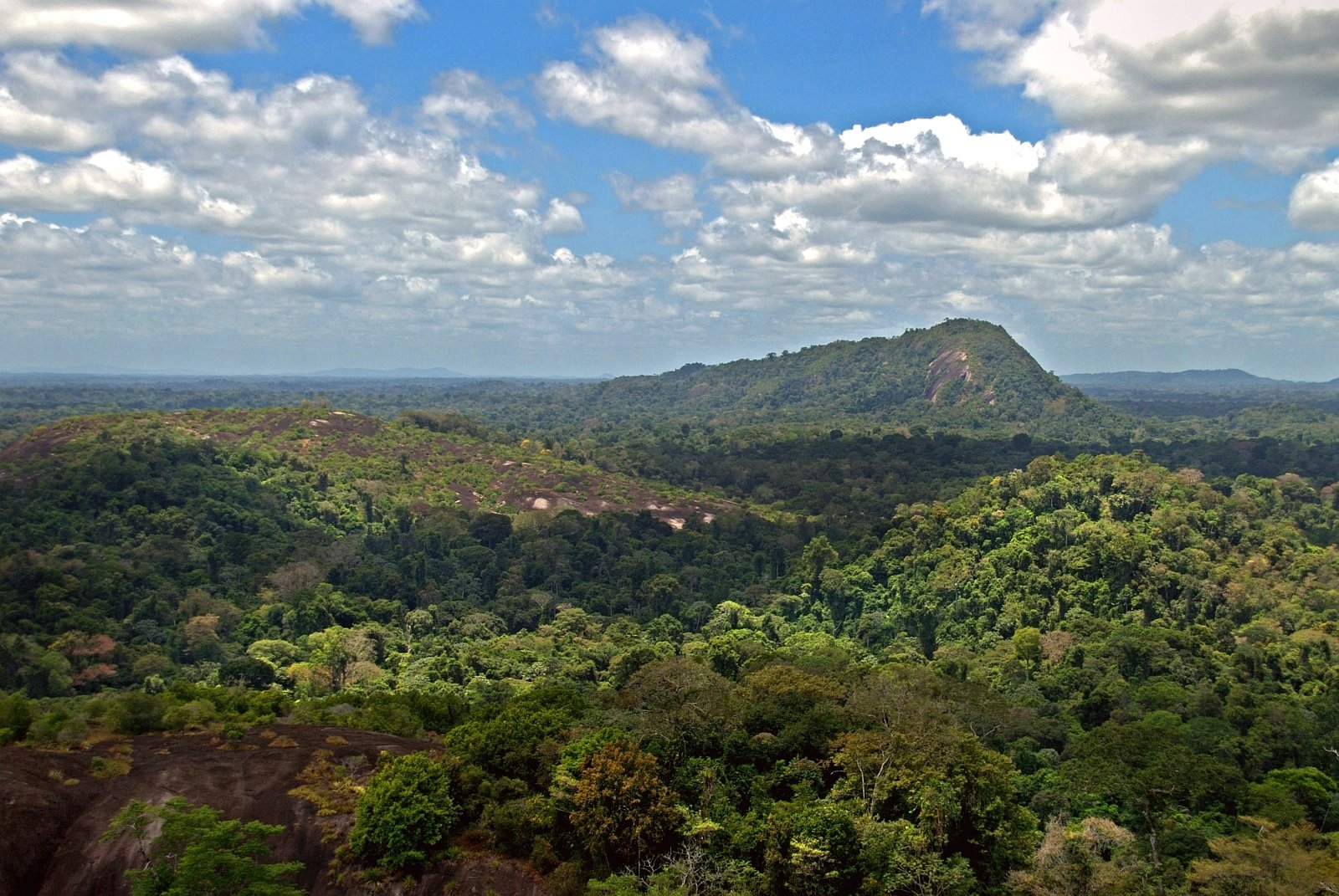
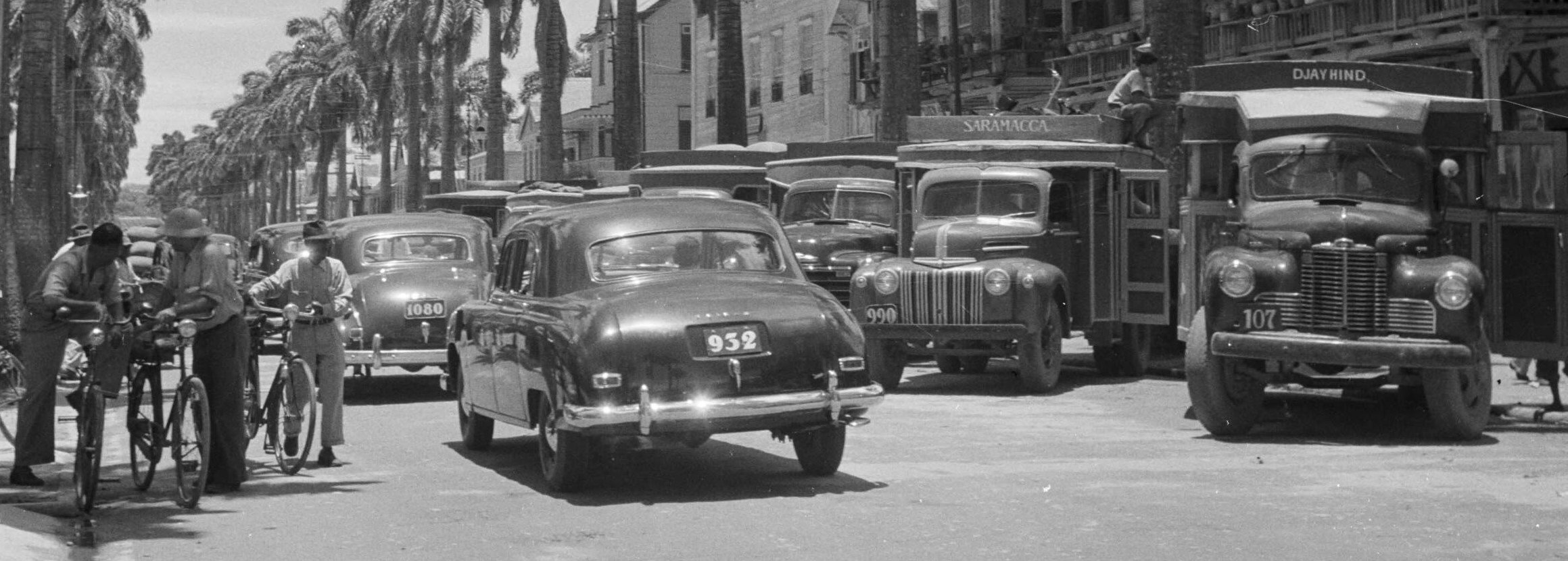
Suriname is South America with a Caribbean rhythm and a Dutch vocabulary. Almost everyone lives on the flat northern coast; beyond it, roads thin out and rainforest covers most of the country. The result is a trip with two very different halves: food, architecture, and markets around the capital, then riverboats and forest in the interior.
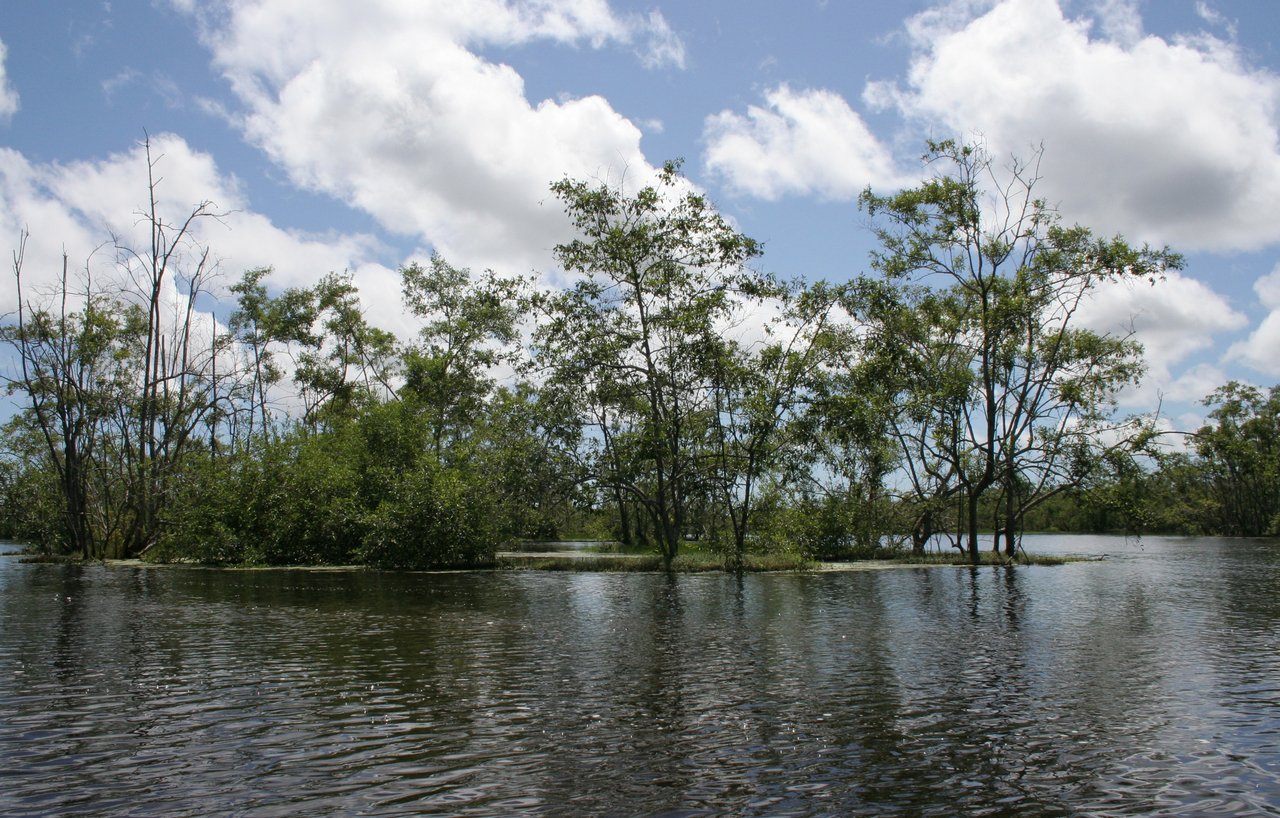
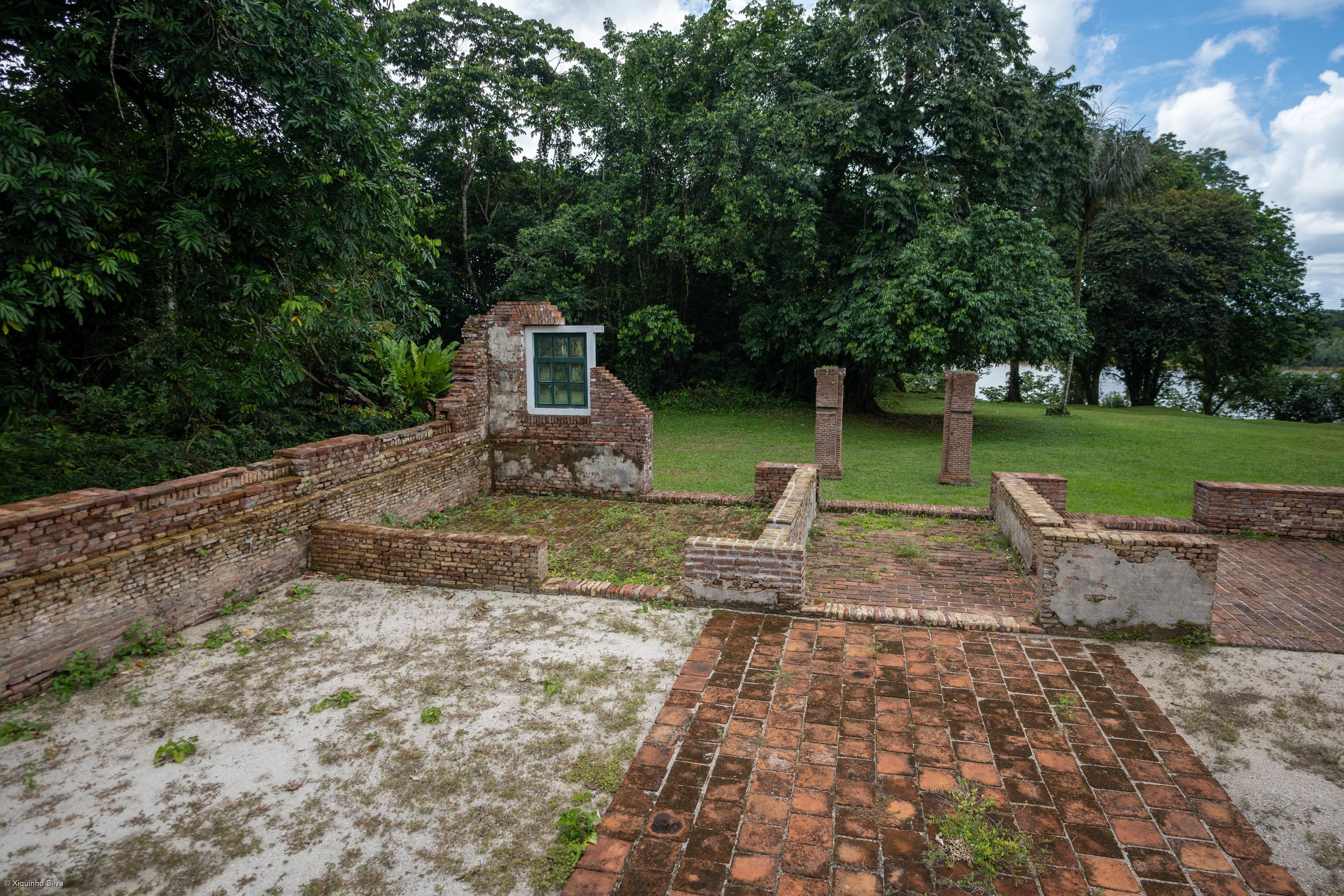
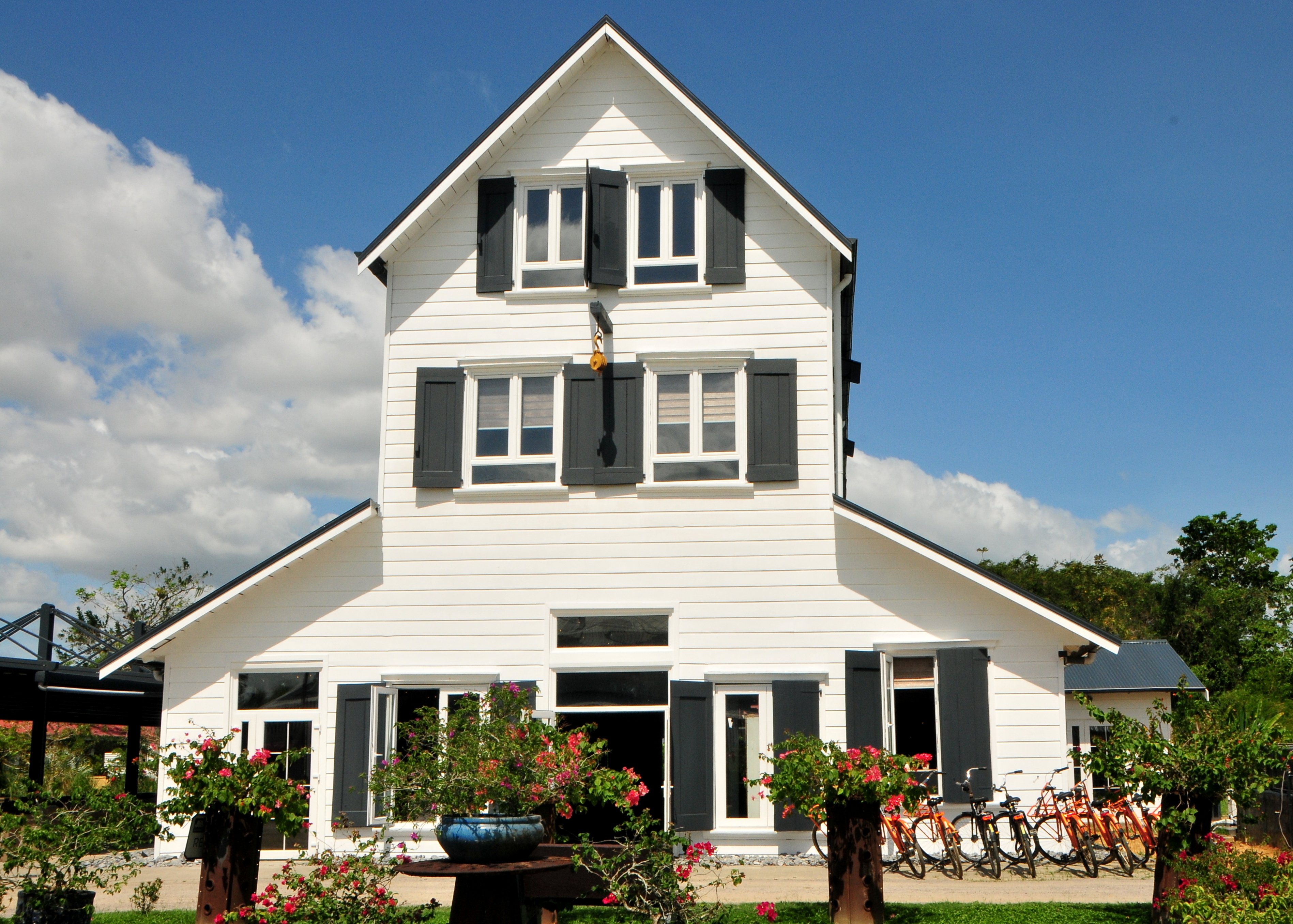
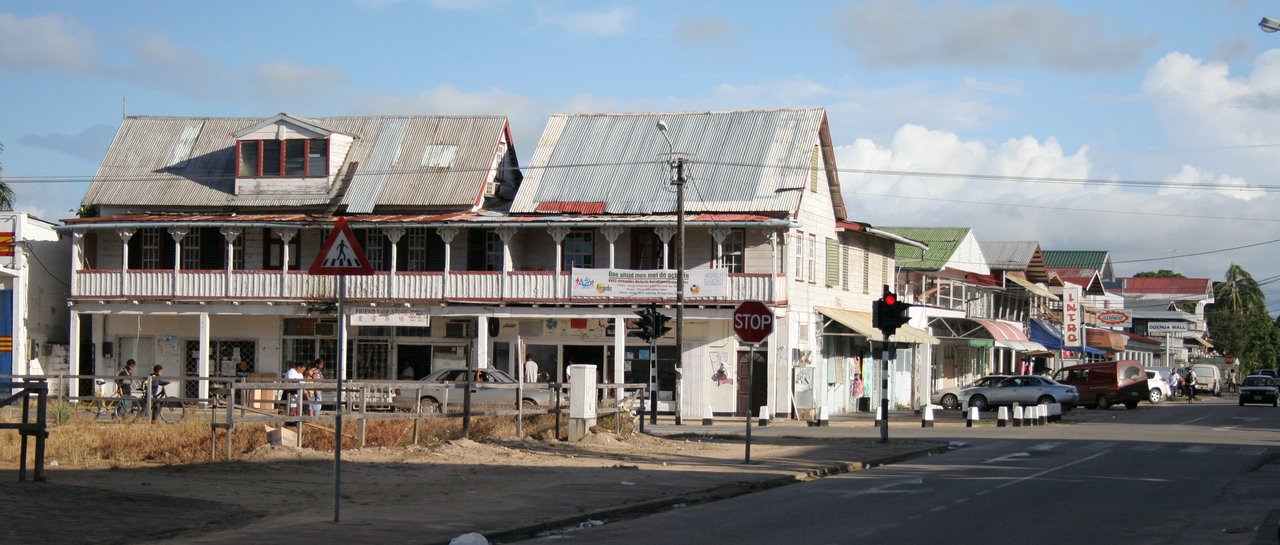
Paramaribo is the natural starting point. Its UNESCO-listed wooden centre is compact enough to walk, and its restaurants make Suriname's mix of Creole, Hindustani, Javanese, Chinese, Jewish, Indigenous, and Maroon traditions immediately tangible. Across the river, Commewijne combines plantation history with wetlands and easy wildlife watching. Jodensavanne, another World Heritage site, tells a much harder story about religious autonomy, plantation wealth, and enslavement.
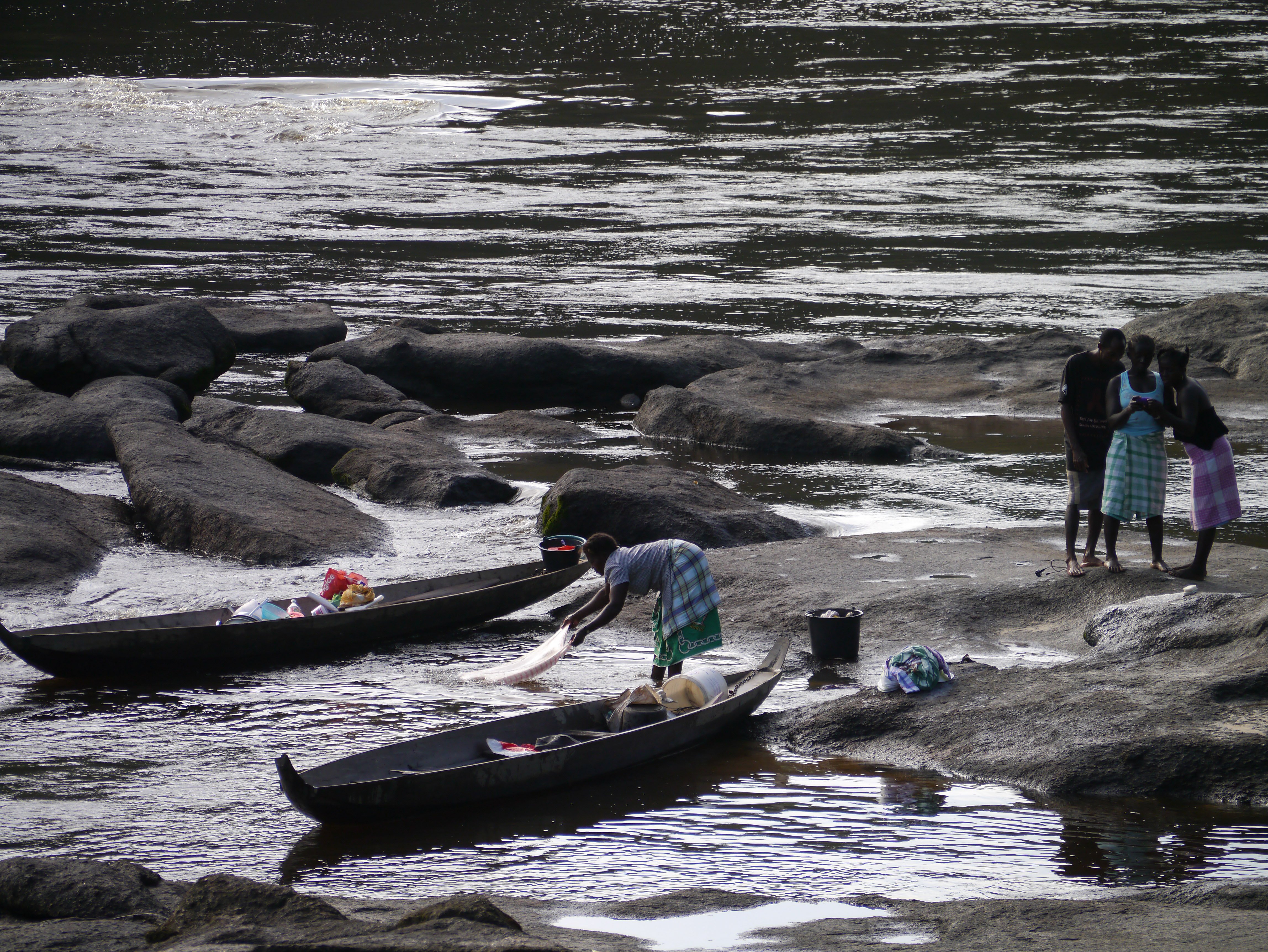
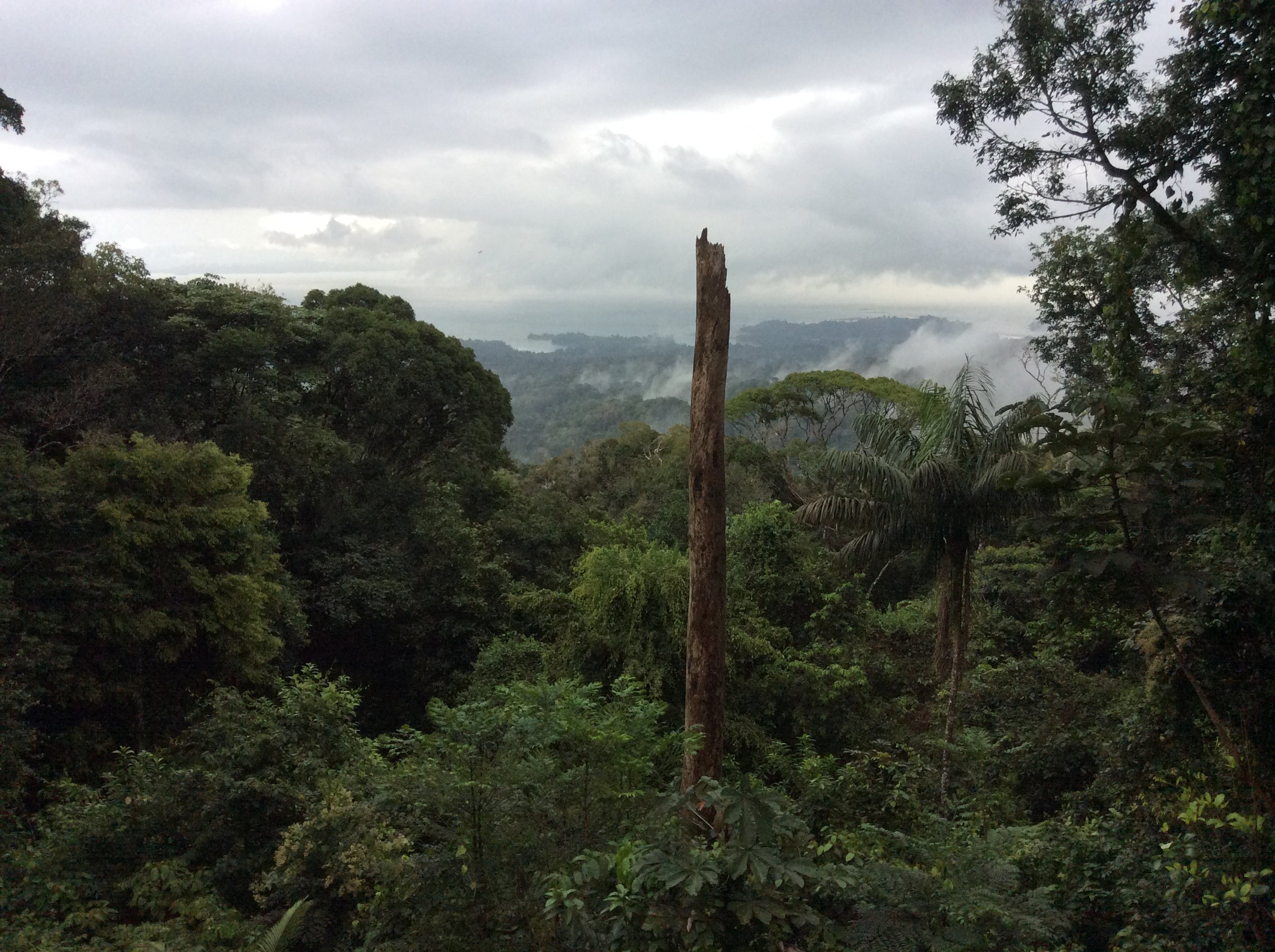
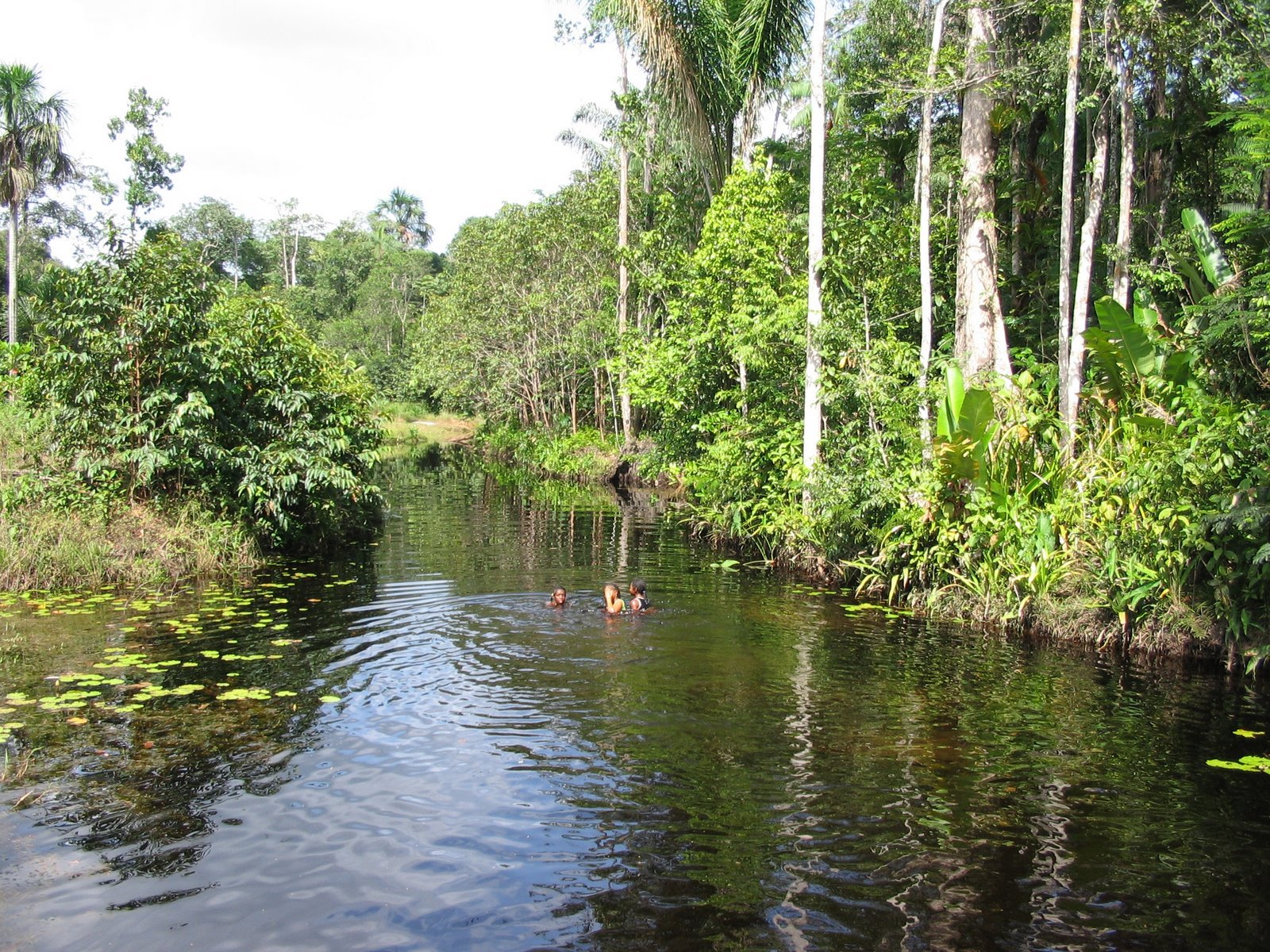
For accessible rainforest, Brownsberg Nature Park is the practical first choice. The Upper Suriname River takes more time but is more distinctive: boats link Saamaka villages such as Pikin Slee in a landscape where the river is still the road. Farther west, the Central Suriname Nature Reserve protects an enormous block of Guiana Shield forest; Raleighvallen is its established visitor gateway. On the western coast, Nieuw Nickerie is the base for bird-rich Bigi Pan.
Suriname is not an effortless independent-travel destination. Public transport is informal, interior trips need careful arrangements, and domestic flights and river journeys can be expensive. That friction is part of why the country still feels unlike its better-known neighbours, but it rewards planning more than improvisation.