Upper Egyptian Nile city and commercial hub near Coptic monasteries and cliffside tombs
Asyut is Egypt's largest city in Upper Egypt outside of Luxor, sitting on the west bank of the Nile about 380 km south of Cairo. It's primarily a transport and commercial hub rather than a tourist destination, but it does have some points of interest for those passing through.
The city is home to Assiut University, one of Egypt's oldest, which gives it a young, relatively lively atmosphere. The nearby Deir el-Muharraq Monastery, located about 50 km northwest, is a significant Coptic Christian pilgrimage site believed to mark a resting place of the Holy Family during their flight into Egypt. The cliff-side Monastery of the Virgin at Durunka draws over a million pilgrims for its August moulid.
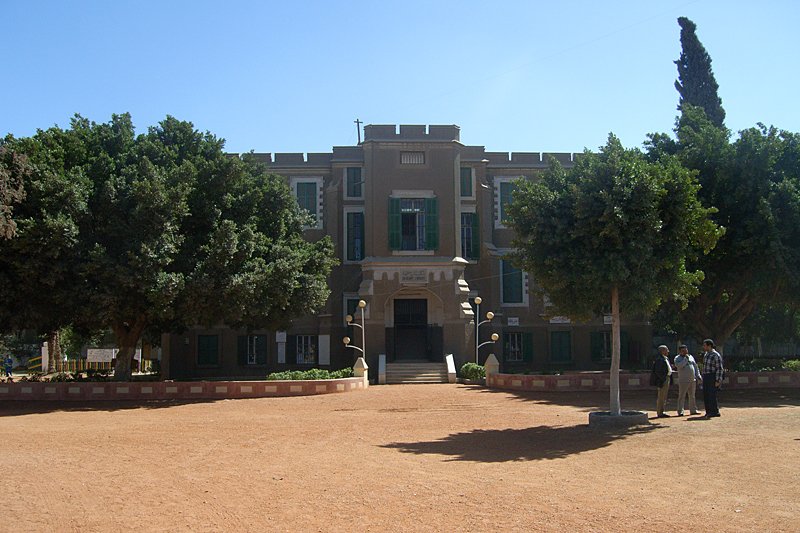
The area around Asyut has ancient roots — the nearby Meir tombs contain rock-cut burials from the Old and Middle Kingdom periods, and the ancient city of Lycopolis once stood here. In town, the Alexan Pasha Palace and the Assiut Barrage on the Nile are worth a look. Most travellers stop only briefly, but Asyut is a reasonable overnight break on the long journey along the Nile valley.
Guide
Getting There
Asyut sits on the main Cairo–Aswan rail line, and trains are the easiest way in. Express services from Cairo take about six to seven hours; the overnight sleeper from Cairo to Luxor stops here. From Luxor or Aswan, southbound trains run several times a day.
There is an airport (ATZ) west of town with limited domestic flights, mostly to Cairo. Long-distance buses run from the depot on the south side of the city — slower and less comfortable than the train but useful for reaching smaller Upper Egyptian towns.
Guide
When to Go
Asyut has a hot desert climate. Winter (November to February) is the only really comfortable season — clear skies, daytime highs in the low 20s Celsius, cold nights. Summer is brutally hot, with afternoons regularly above 40°C and dust storms in spring.
If you can, time a visit to the Holy Family moulid at Durunka in August (huge crowds, oppressive heat but extraordinary atmosphere) or the gathering at Deir el-Muharraq in late June. Otherwise, December and January are the best months.