Saqqara is the vast desert necropolis of ancient Memphis, spread along the plateau about 30 km south of Cairo. It is older than Giza and, for many visitors, more rewarding: this is where the Step Pyramid of Djoser rises in six receding tiers, the world's first monumental stone building and the prototype from which all later pyramids descended. Built around 2650 BC by the architect Imhotep, it presides over a sprawling field of tombs, temples, and shafts that span more than three thousand years of burials.
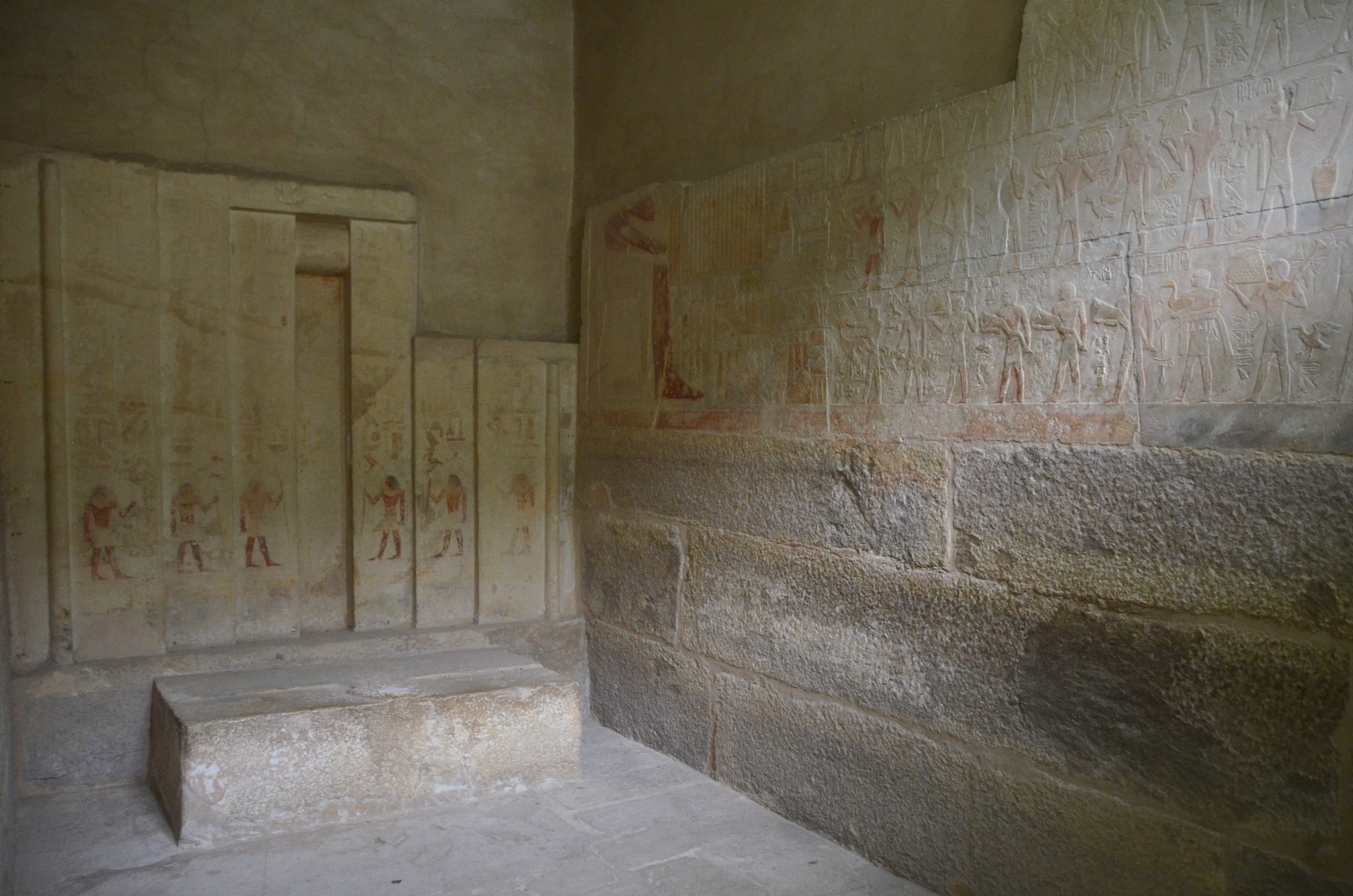
What makes Saqqara worth the trip is the painted tomb interiors. The mastabas of high officials — the tomb of Ti, the tomb of Mereruka, the joint tomb of Niankhkhnum and Khnumhotep — are carved and coloured with astonishingly fresh scenes of daily life: cattle fording rivers, scribes at work, fishermen hauling nets, and, in one celebrated chamber, depictions of surgical and medical procedures. The reliefs are quieter and far less crowded than anything at Giza, and you can often have a 4,000-year-old room to yourself.
Saqqara pairs naturally with Memphis, a few kilometres east, once the greatest city of the ancient world and capital of the Old Kingdom. Little remains above ground, but an open-air museum shelters a colossal recumbent statue of Ramses II and a fine alabaster sphinx. The neighbouring pyramid fields of Dahshur — home to the Red Pyramid and the curious Bent Pyramid — lie just to the south and are easily folded into the same outing.
Come as a half-day trip from Cairo or Giza, ideally by taxi or organised tour, since public transport is awkward and the site is spread out. Mornings are best: the light is kinder, the desert cooler, and the tour buses thinner. Bring water, sun cover, and small change for the tomb guardians who unlock the painted chambers.