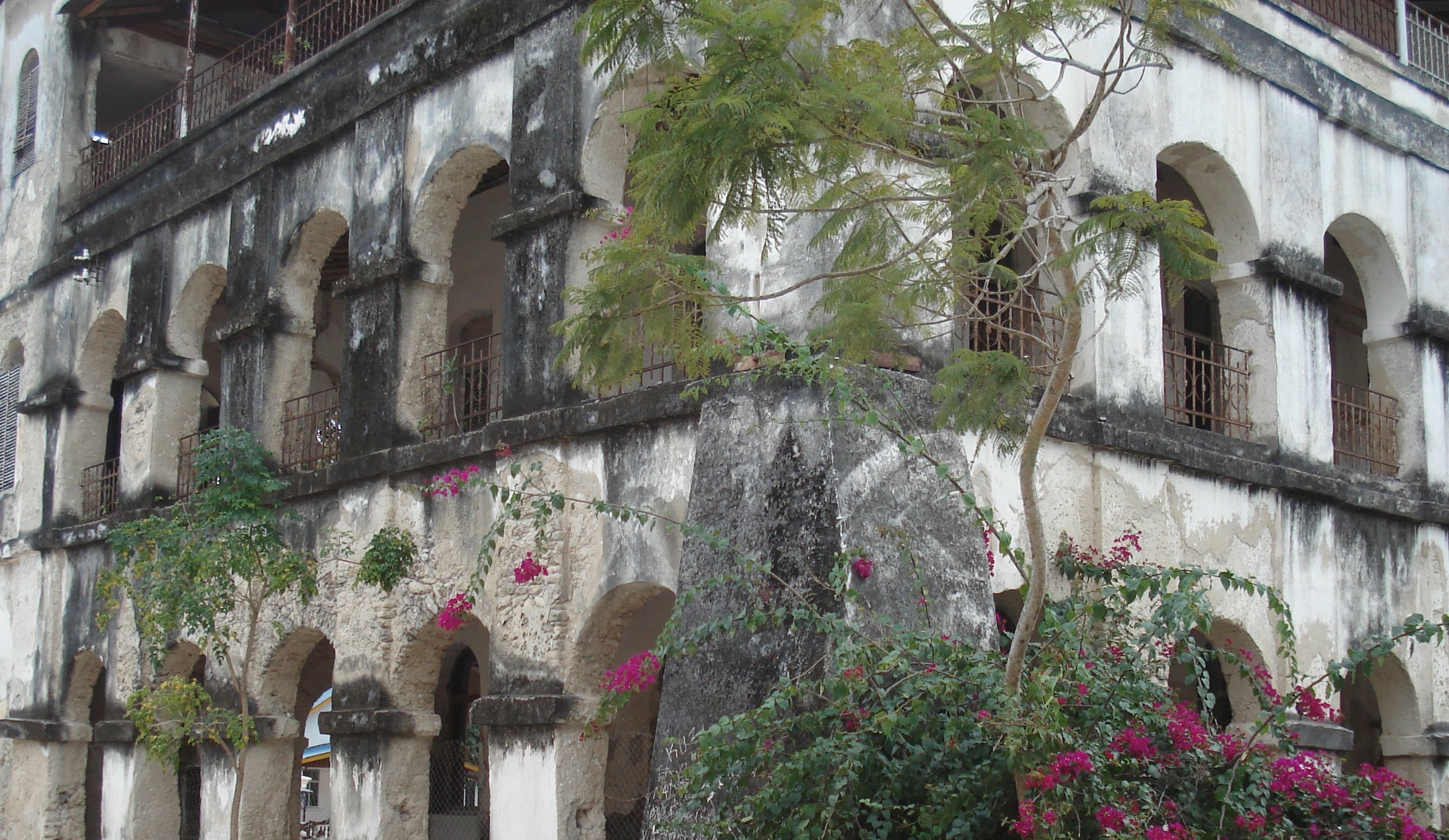
Bagamoyo is a historic coastal town about 75 km north of Dar es Salaam. Founded in the late 1700s by families related to the ruler of Oman, it grew into one of the most important towns on the East African coast during the 19th century as the terminus of the slave and ivory trade route from Lake Tanganyika. The name itself — Bagamoyo, "lay down your heart" in Swahili — is said to be what enslaved people muttered as they were marched onto the beach to be shipped across to Zanzibar.
Catholic missionaries were allowed to settle in 1868, and their legacy can be explored in the Catholic Mission museum, one of the best small museums in Tanzania. By the late 19th century Bagamoyo was the German colonial capital, with the Old Boma and the Old Customs House the centrepieces of the trading port. The Germans soon moved operations to Dar es Salaam and the town quietly declined.
A few kilometres south are the Kaole ruins — two medieval mosques and 13th-century tombs, evidence of the much older Swahili trading settlement that preceded the town. Several German-era stone buildings have been restored, the Sultan's Old Fort still stands above the harbour, and there is a German burial ground.
David Livingstone's body was carried through Bagamoyo on its way to Zanzibar and eventually London, and the Livingstone Tower on the mission road marks one of the stops. A good tarmac road from Dar es Salaam makes the town an easy day trip, and a handful of tourist hotels along Nunge beach make it easy to stay longer. The annual festival at the College of Arts in September is the cultural high point of the Tanzanian coast.