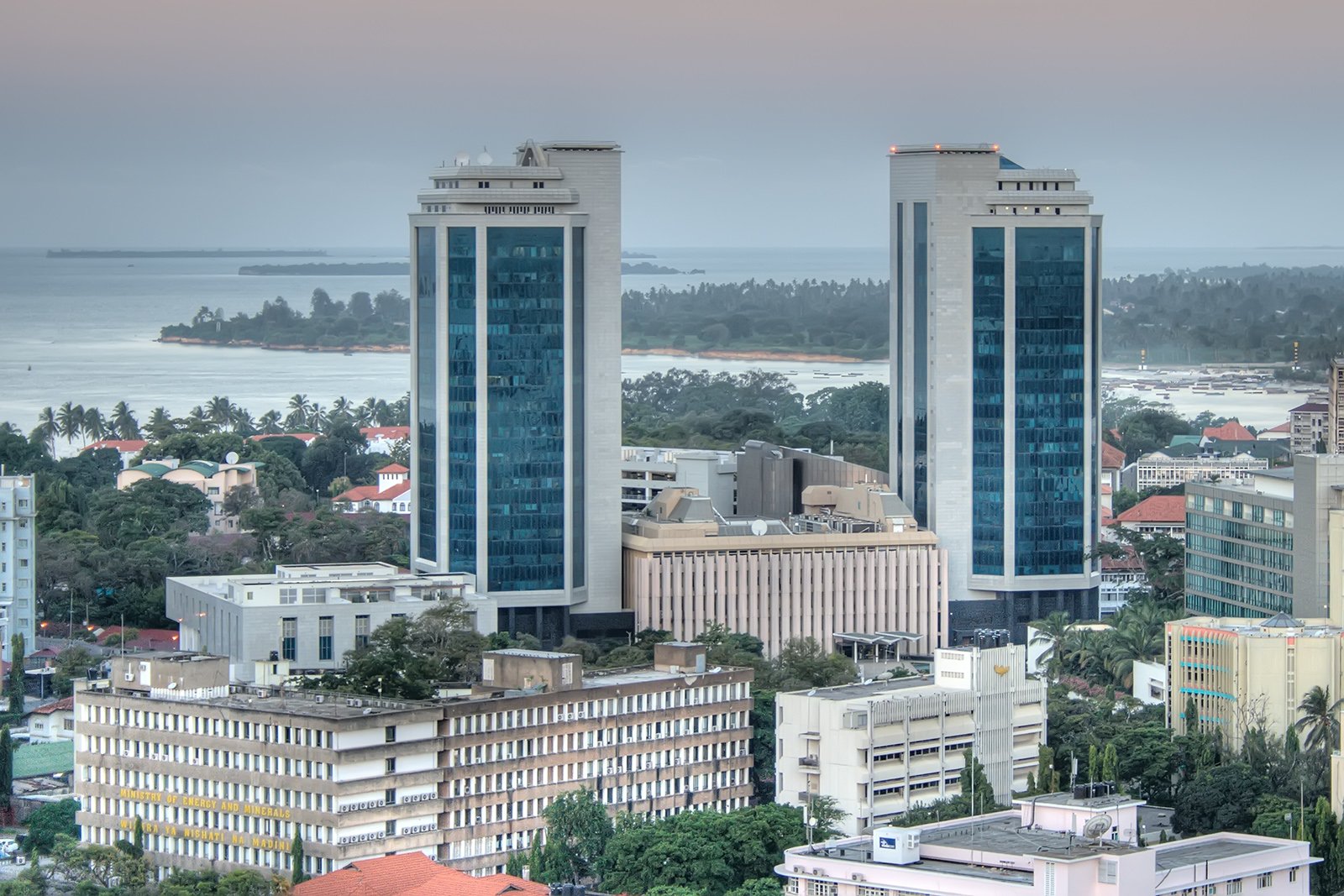
Dar es Salaam — "House of Peace" in Arabic — is anything but. Tanzania's largest city and former capital is a sweltering, sprawling, energetic port of around five million people, the country's commercial engine and the staging point for almost every traveller heading on to Zanzibar or up-country to the safari parks. Most visitors plan to skip it. They are wrong to.
The city was founded in the 1860s by the Sultan of Zanzibar as a mainland anchorage and grew into a German colonial capital, then a British one, before becoming the capital of independent Tanzania in 1961. The legacy is layered and visible: a small German core of red-roofed churches and verandahed offices around Sokoine Drive, a tightly packed Indian merchant quarter at Kisutu, and the vast, overflowing African market of Kariakoo just inland — said to be the largest covered market in East Africa. Spend a morning walking from the Askari Monument to St Joseph's Cathedral and on to the Kivukoni fish market, where dhows still unload the night's catch at dawn and the auction floor is one of the genuine sights of the city.
North of the centre, the leafy expat suburbs of Oyster Bay and the Msasani Peninsula hold most of the bars, restaurants and waterfront cafes — the Slipway is the easiest place to start. The National Museum, with its Olduvai Gorge fossils and Leakey discoveries, is a short walk from the Botanical Gardens; the open-air Village Museum, 10 km north, is better than its modest reputation. Coco Beach at Oyster Bay is the closest swim, but the real beaches are at Kunduchi to the north and on the Kigamboni side of the harbour, reached by the small chugging passenger ferry that leaves from beside the fish market — a ride that costs nothing and is half the fun.
Dar is hot, humid, traffic-choked, and after dark you take a taxi. None of that should put you off. Give it two days before catching the ferry to Zanzibar and you will leave with a much better sense of modern Tanzania than the package tourists who fly straight over the top.