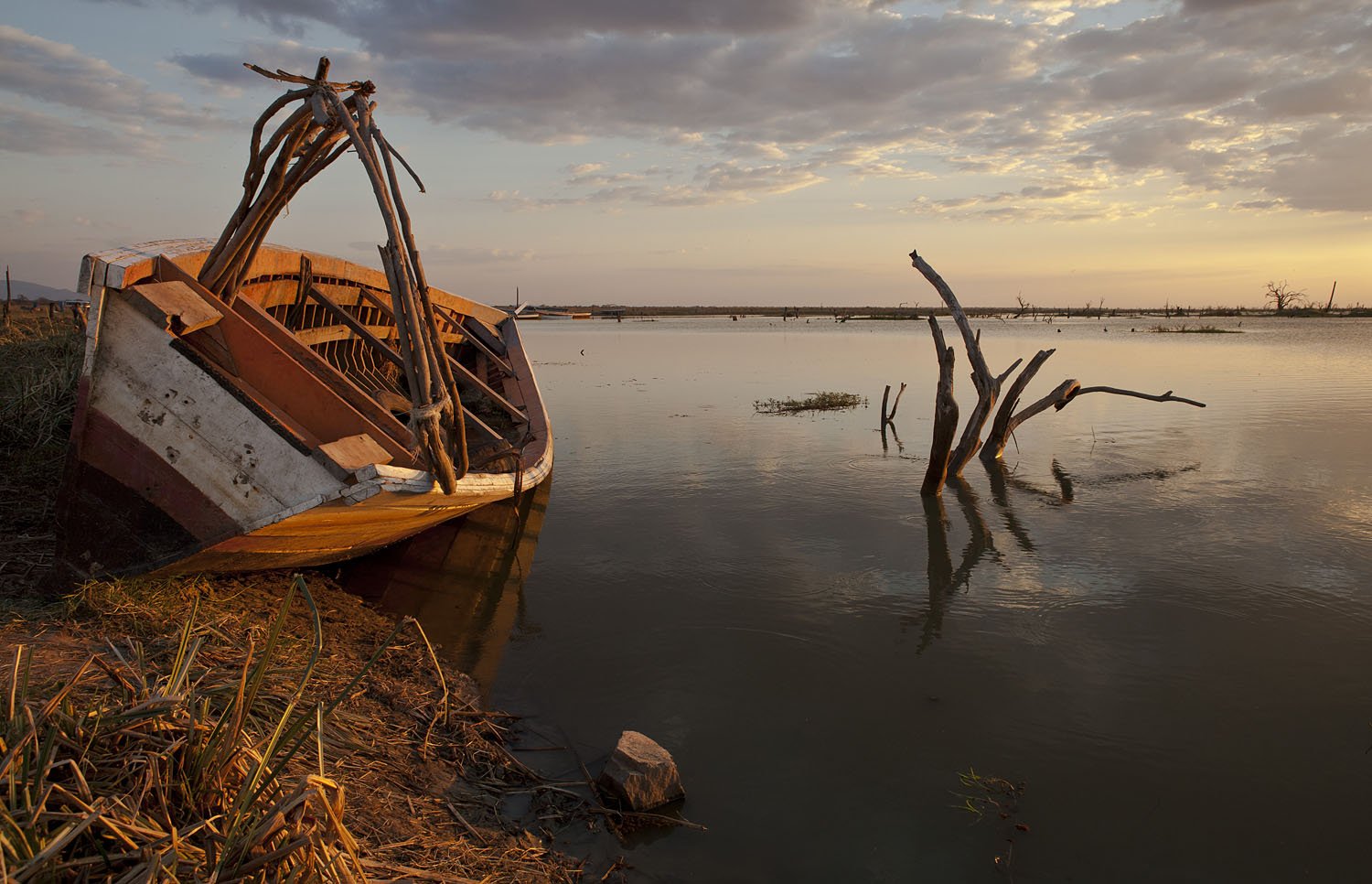
Mtera is not a destination in itself so much as a reason to detour off the Iringa–Dodoma highway. The Mtera reservoir, created when a dam was built across the Ruaha River in 1981, flooded a small village and created one of Tanzania's best and least-visited birdwatching sites.
The reservoir's shallow margins — especially around the former Logi Mbuga wetland, reached by turning west at Chipogoro — attract enormous numbers of water birds. At Logi village, guides are easily arranged. The Pakwaya (or Takanya) mbuga, a seasonal wetland right along the main road between Mtera and Chipogoro, is another excellent stop that doesn't require any detour at all.
A note on the dam itself: photography of the dam and power plant is prohibited. If you're moving through remote rural areas nearby, a courtesy call on the local village government is the respectful thing to do and avoids unnecessary friction.
Mtera pairs naturally with Ruaha National Park — the two share the same ecosystem, and the reservoir supplies the water that sustains Ruaha's wildlife through the dry season.