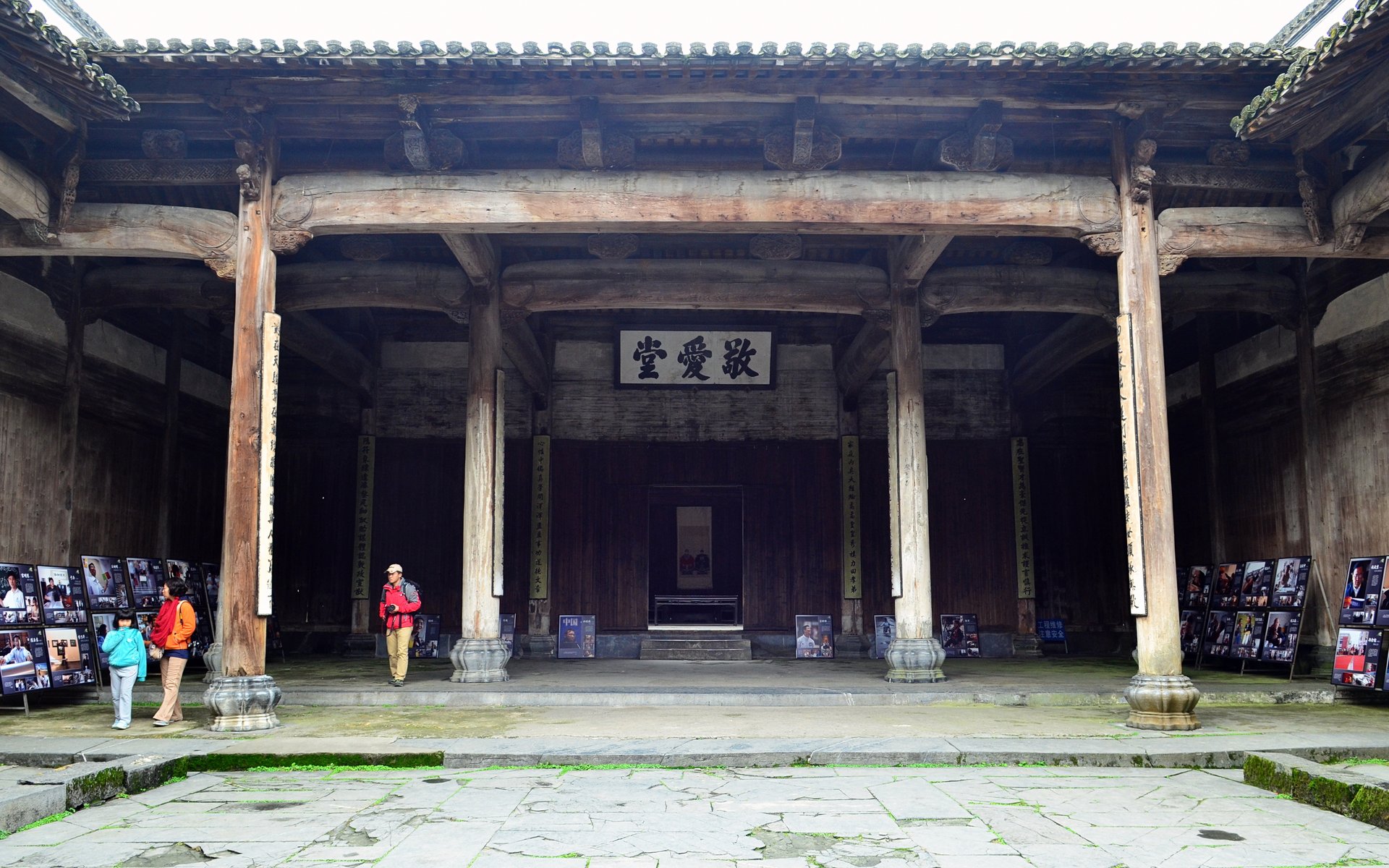
Xidi is the less famous of the two UNESCO-listed ancient villages in southern Anhui, which means it draws slightly smaller crowds than Hongcun and rewards the visitor with a marginally more genuine experience of what these places actually are: small, dense, beautifully built settlements where Huizhou merchant families poured extraordinary wealth into architecture as a form of lasting prestige. The whitewashed walls, dark tile roofs, and intricate carved woodwork that define the style appear in their fullest form here.
The village was founded in the Song dynasty and reached its architectural peak during the Ming and Qing periods, when Huizhou merchants dominated long-distance salt, timber, and silk trading across China. Success at commerce was channeled into domestic architecture on a scale that still astonishes: the great hall of the Da Fu Grand House, with its carved plum blossom patterns and complex latticed screens, was built to impress both neighbours and the official world. The Hu Wenguang Memorial Arch, erected in the Ming dynasty, stands at the village entrance as a formal statement of family achievement — three stories of carved stone that would not look out of place in a capital city.
The narrow lanes connect a series of compounds, each privately owned and individually ticketed within the main entrance fee. You can exhaust the sights in a morning, but the atmosphere rewards slower exploration. Coach tours arrive mid-morning and leave by early afternoon; the village at five o'clock, when the light is low and the vendors are packing up, belongs to whoever stayed.
Xidi is roughly a ninety-minute drive from Huang Shan city (Tunxi), and tourist buses run from Huangshan North railway station. The entrance fee is around ¥105. Stay overnight in one of the courtyard guesthouses if you want the village to yourself in the early morning.