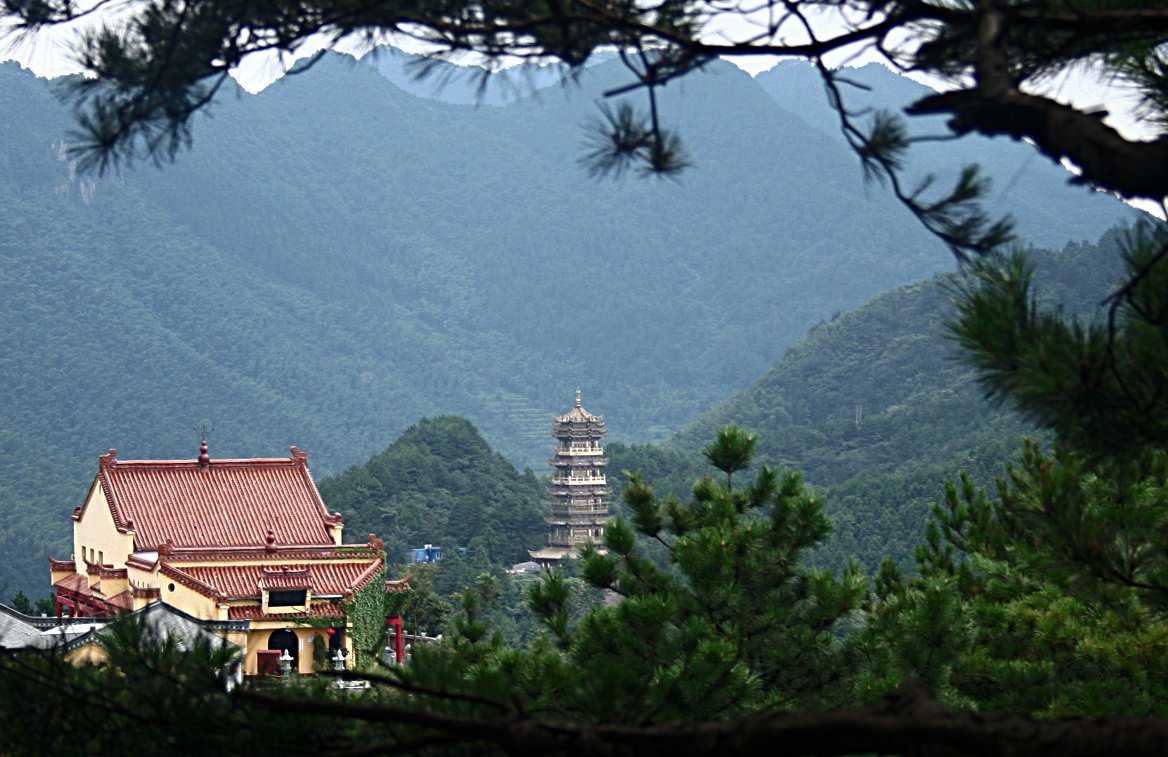
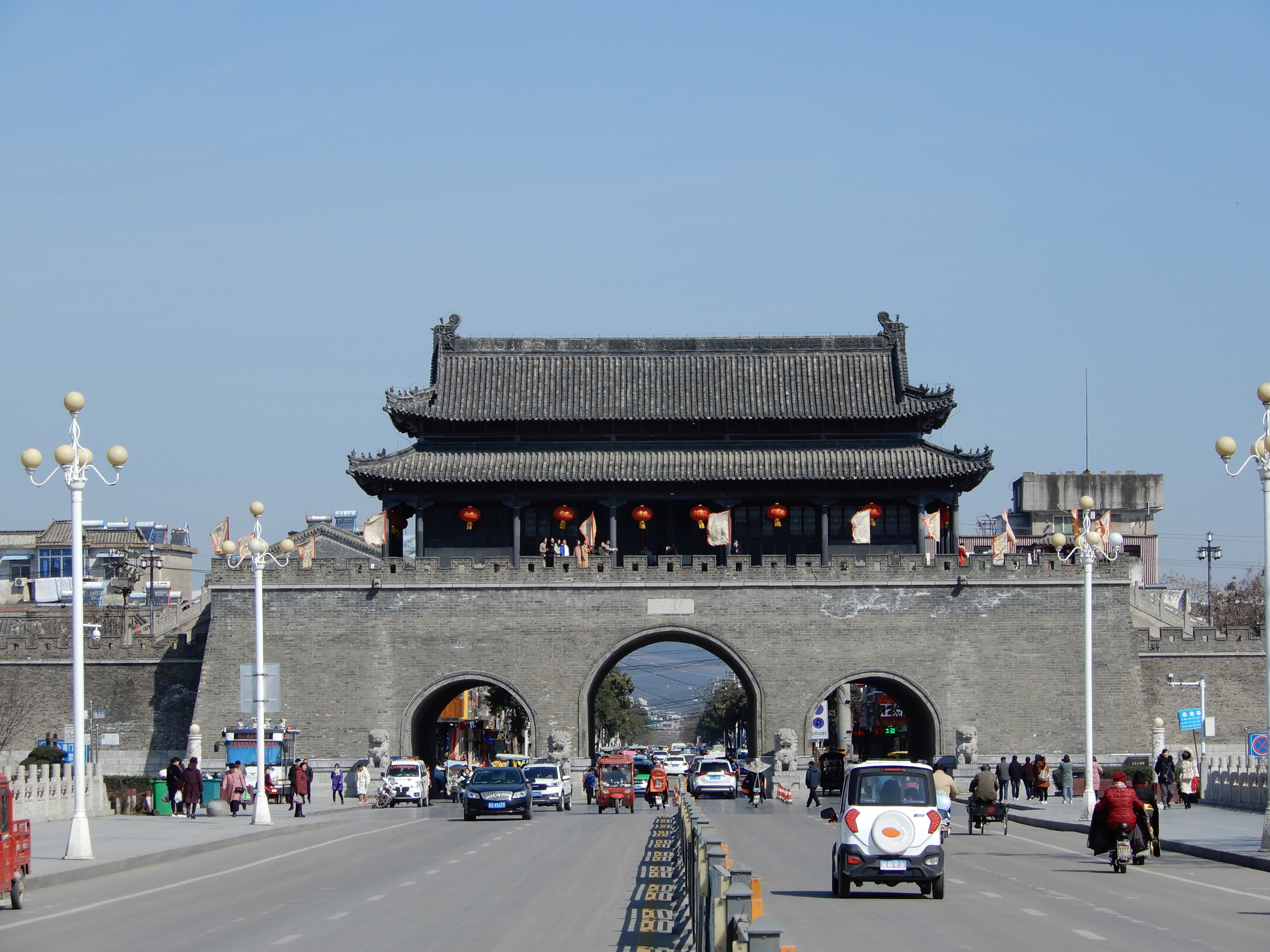
Anhui is a province of two halves. The north is flat, agricultural, and unremarkable — part of the great North China Plain. The south is something else: a world of forested mountains, terraced hillsides, ink-wash landscapes, and traditional villages with distinctive whitewashed walls and dark tile roofs that have inspired Chinese painters for centuries. Most visitors come for the south, and most come specifically for Huang Shan.
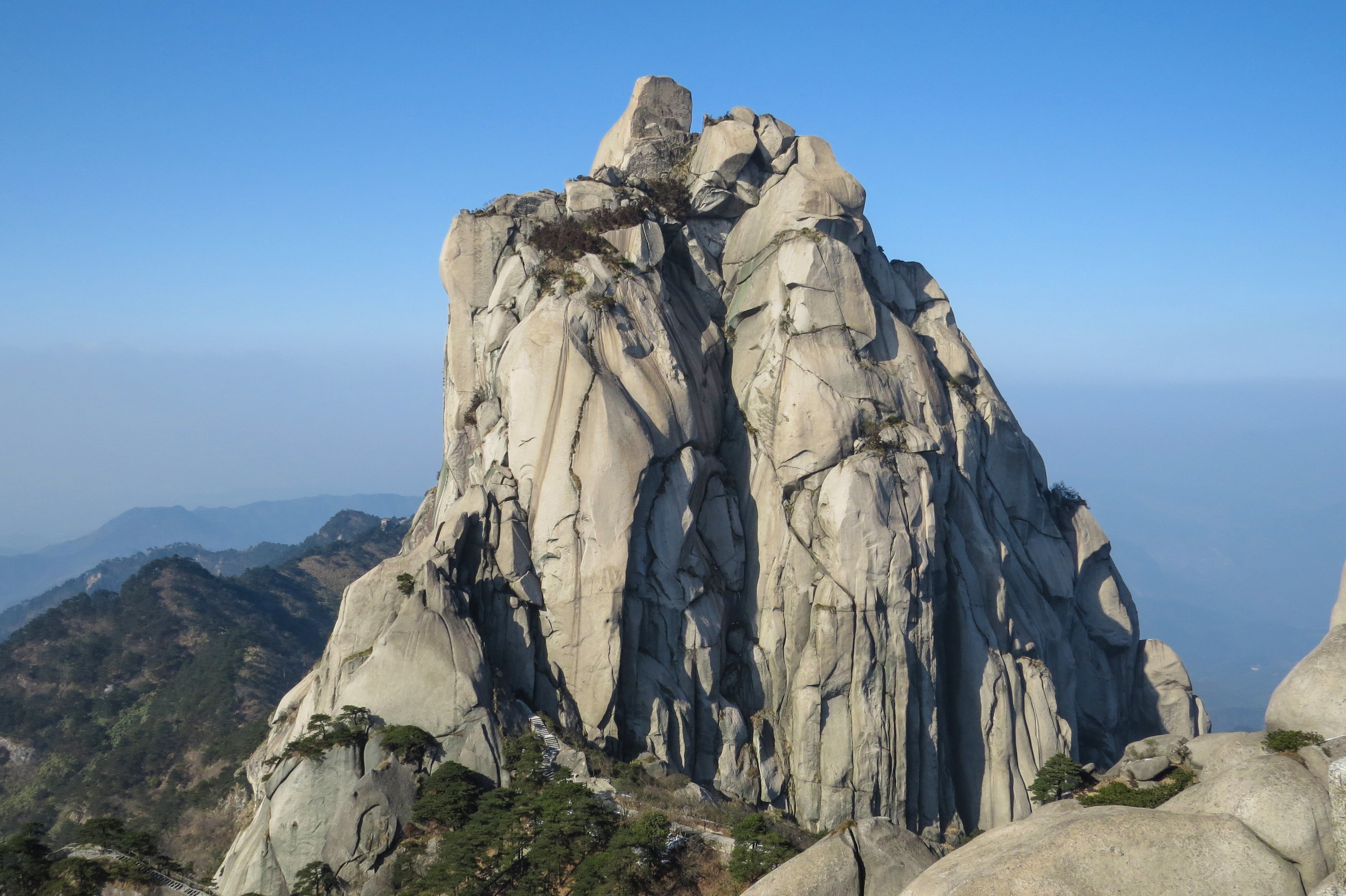
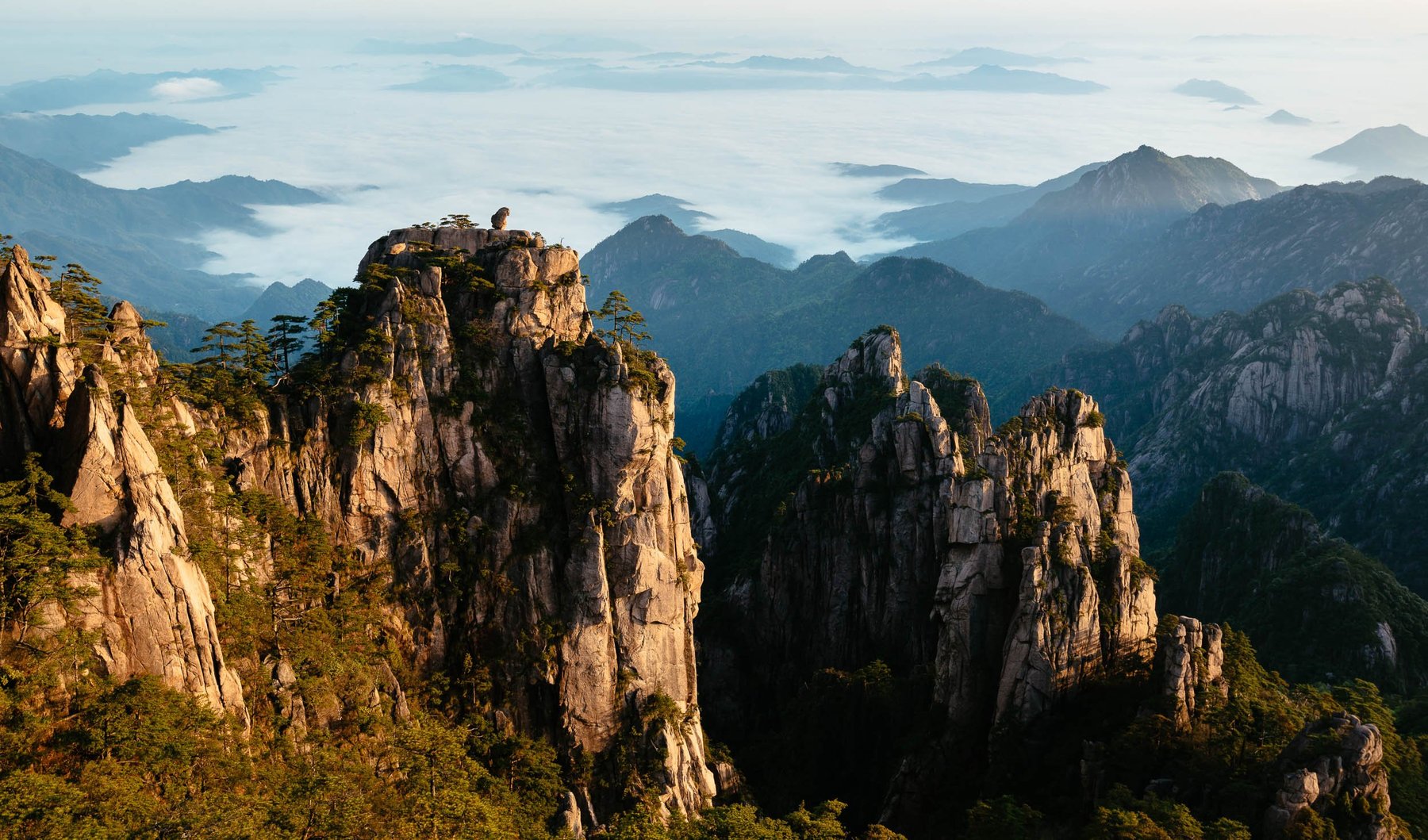
Huang Shan — the Yellow Mountains — is one of China's most famous and most justified natural spectacles. The peaks rise above a sea of clouds, twisted pines cling to vertical granite faces, and the paths are steep enough that the porters who carry supplies up on shoulder poles are not a picturesque affectation but a genuine necessity. The mountain is heavily visited and the infrastructure (hotels, cable cars, well-maintained stone paths) is extensive, but the landscape is so extraordinary that it absorbs the crowds. Go on a weekday, or stay overnight to catch the sunrise above the clouds.
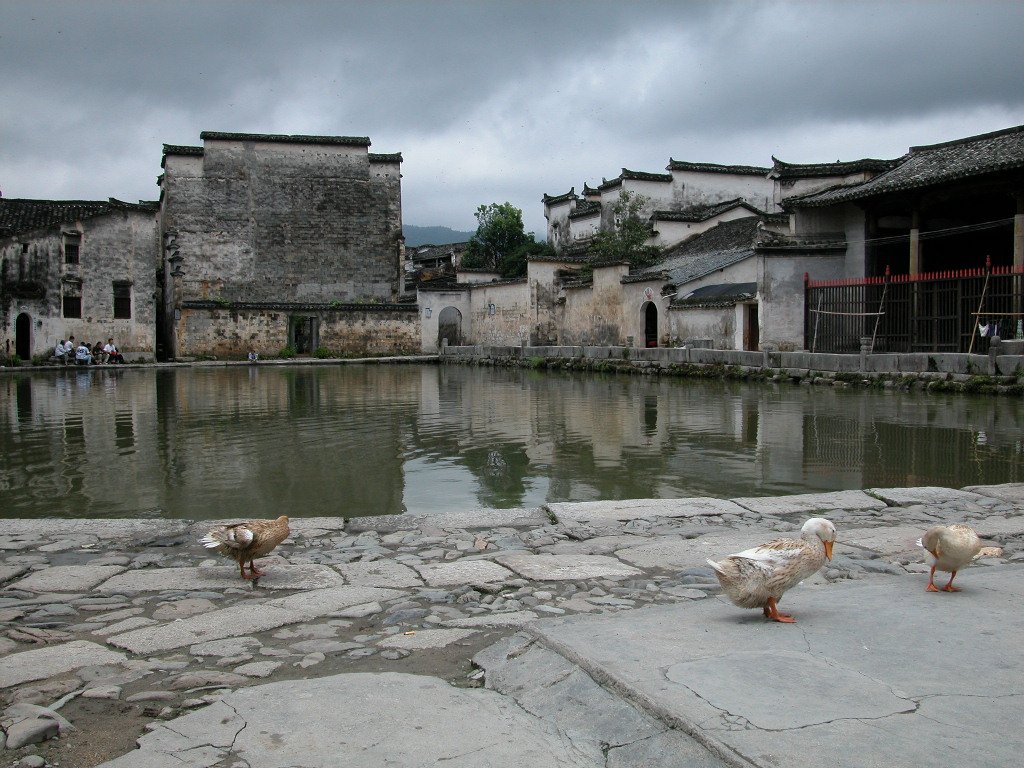
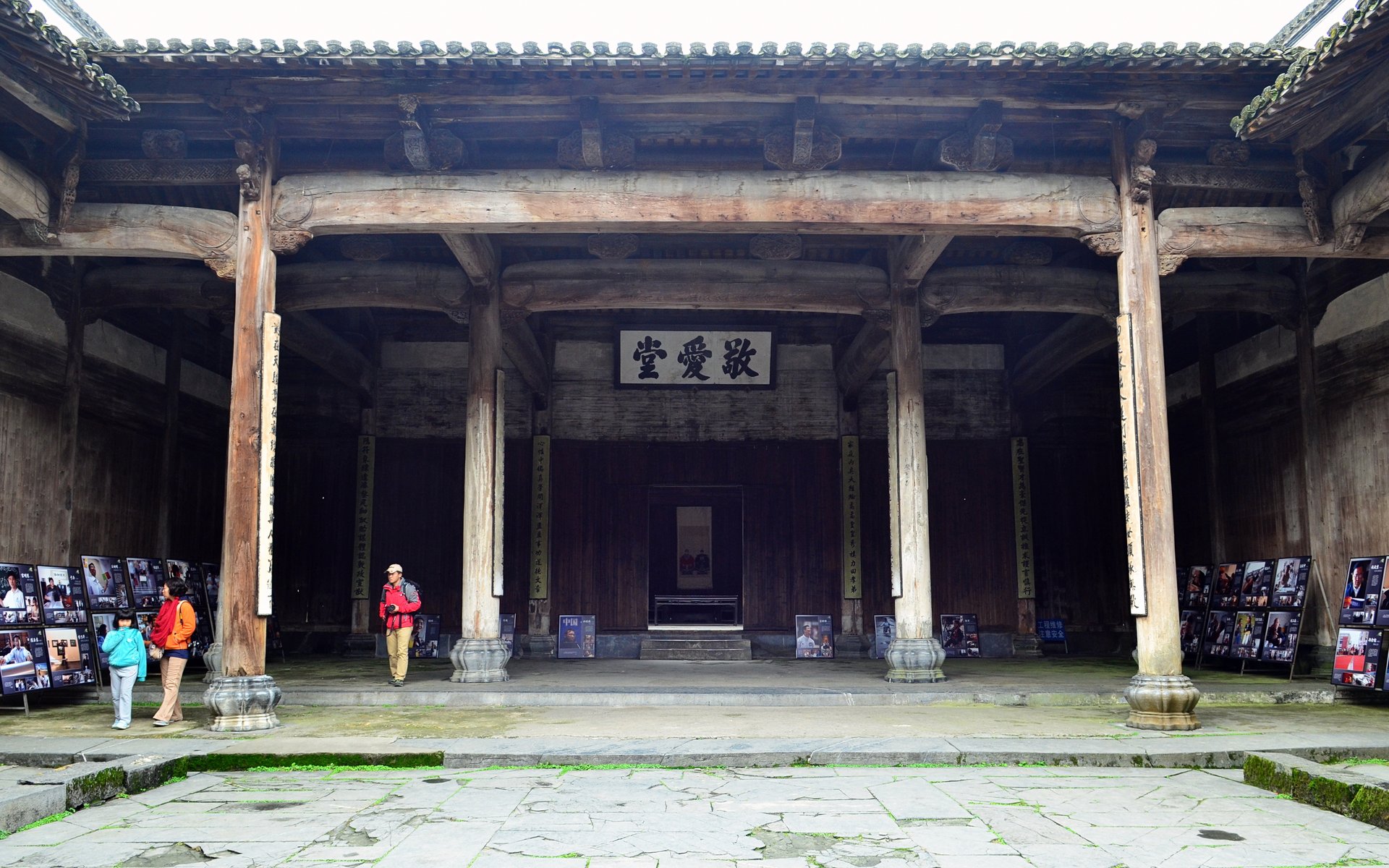
The villages of southern Anhui — particularly around Hongcun and Xidi — preserve the Huizhou architectural tradition that once spread across much of the region. Merchant families who made fortunes in long-distance trade poured their money into elaborate gateways, carved wooden screens, and whitewashed compounds. Both villages are UNESCO-listed and therefore extremely popular; arriving early in the morning or late in the afternoon is the best way to see them without the coach groups.
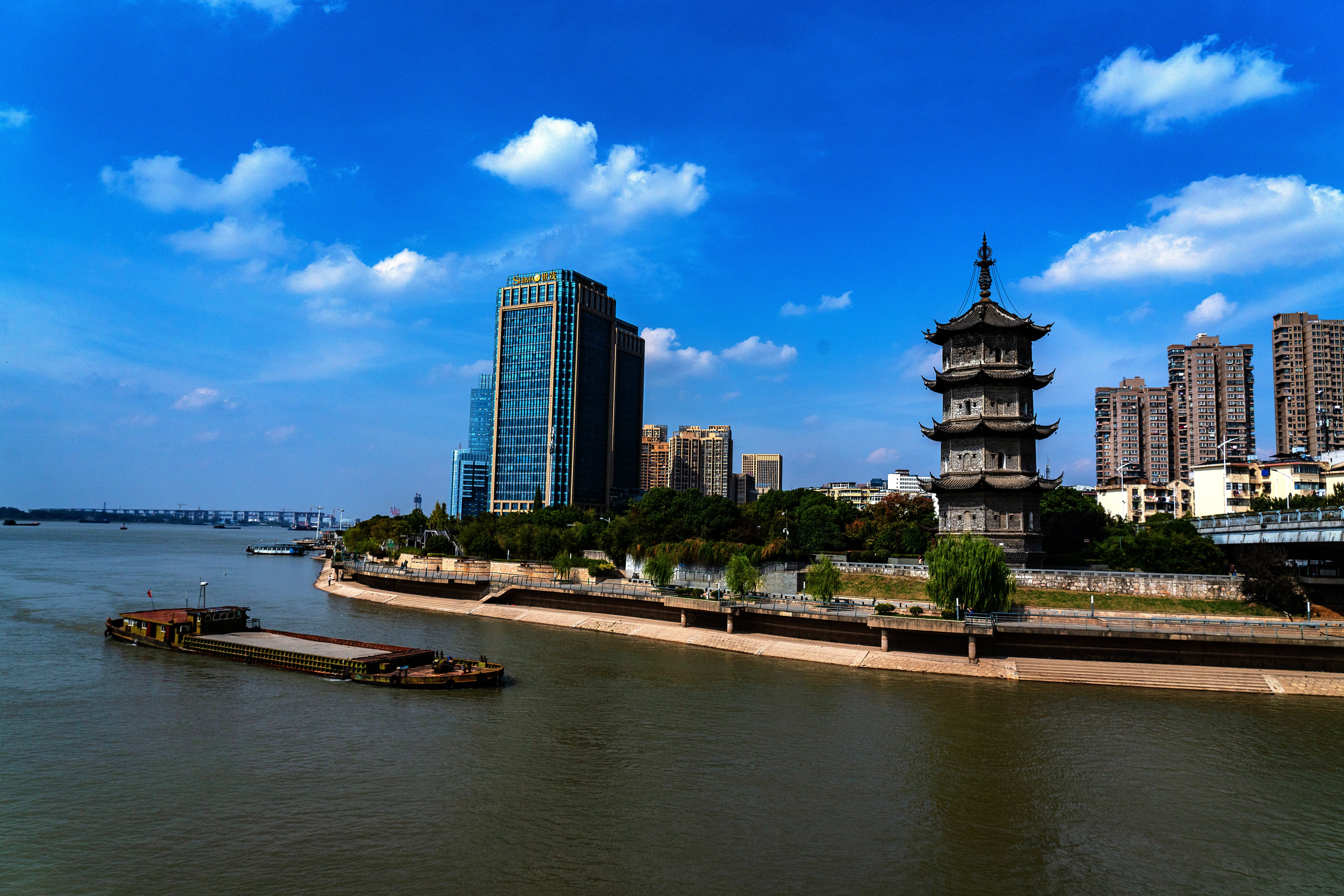
Hefei, the capital, is a large modern city with little to detain the visitor. It serves mainly as a transport hub for reaching Huang Shan and the southern villages.