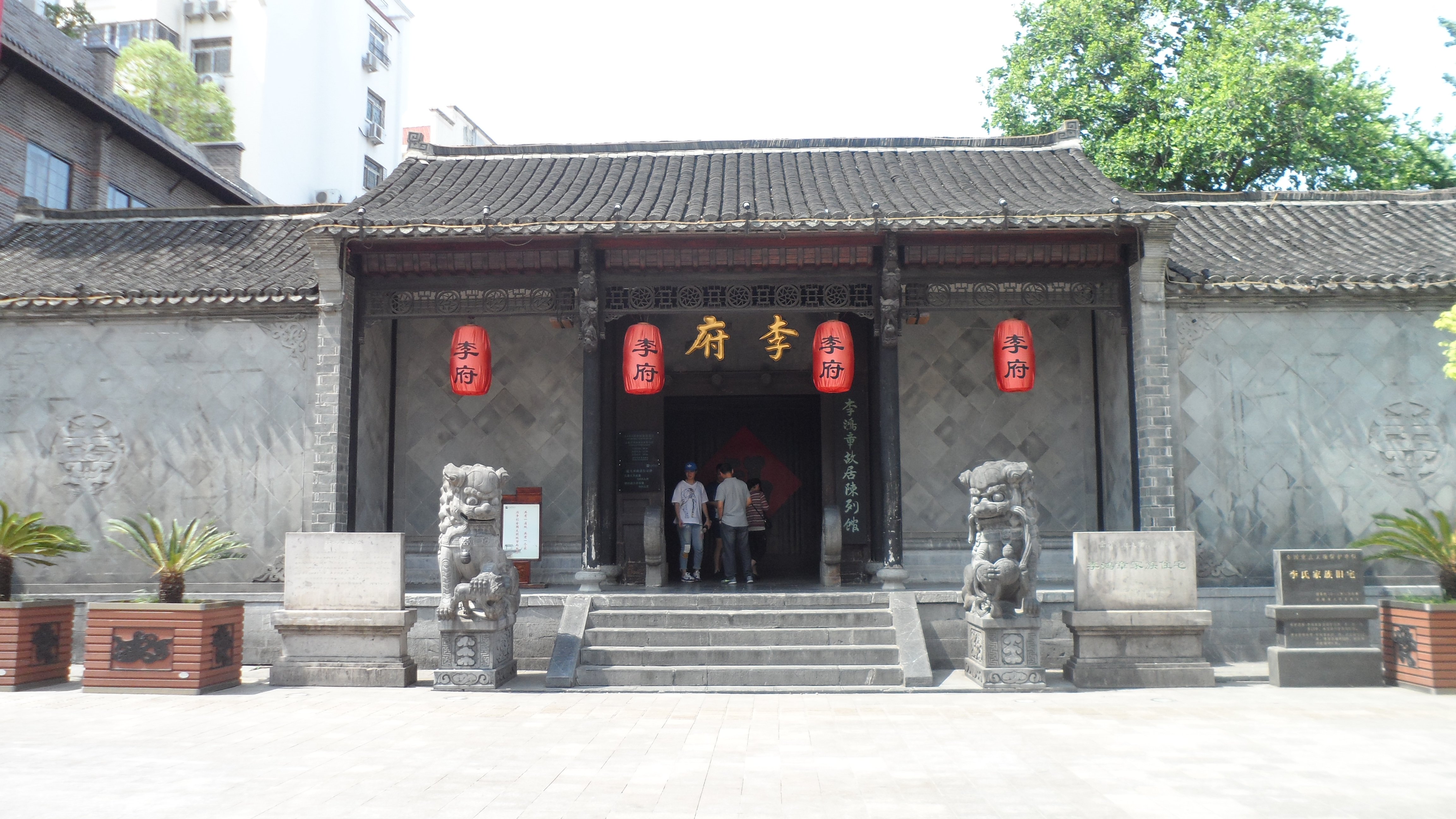
Hefei is Anhui's provincial capital and, by population, one of the larger cities in eastern China — over nine million people and growing fast. It is not a destination in the conventional sense. The city has no dramatic old town, no ancient temples of international standing, no scenery that would make it worth a detour. What it has is broad expressways, expanding tech campuses, and the restless energy of a Chinese city that has reinvented itself in a single generation from a provincial backwater into a hub for semiconductors, electric vehicles, and university research.
That said, Hefei has parks worth an afternoon. Lord Bao Park commemorates Bao Zheng, the famously incorruptible Song Dynasty magistrate who was born here, and the grounds around his tomb are pleasant enough for a walk. Xiaoyaojin Park, named for a battle site from the Three Kingdoms period, is the city's main recreation ground. The Anhui Provincial Museum covers the province's history and archaeology with reasonable thoroughness, including some fine Han dynasty bronzes that justify the visit.
The food is Hefei's strongest argument for lingering. The city has a justified reputation for crayfish — xiaolongxia, cooked with garlic, chili, or black pepper depending on your mood — and the restaurants along Ninguo Road and in the old wholesale district serve them from late evening until well after midnight. Li Hongzhang hotpot, named for the 19th-century statesman from the city, is the other dish worth ordering.
Practically, Hefei is a useful hub. Xinqiao International Airport connects to major Chinese cities, and high-speed rail reaches Shanghai in two hours, Nanjing in under one, and Huang Shan in about ninety minutes. If you're touring southern Anhui's villages and mountains, you'll likely pass through.