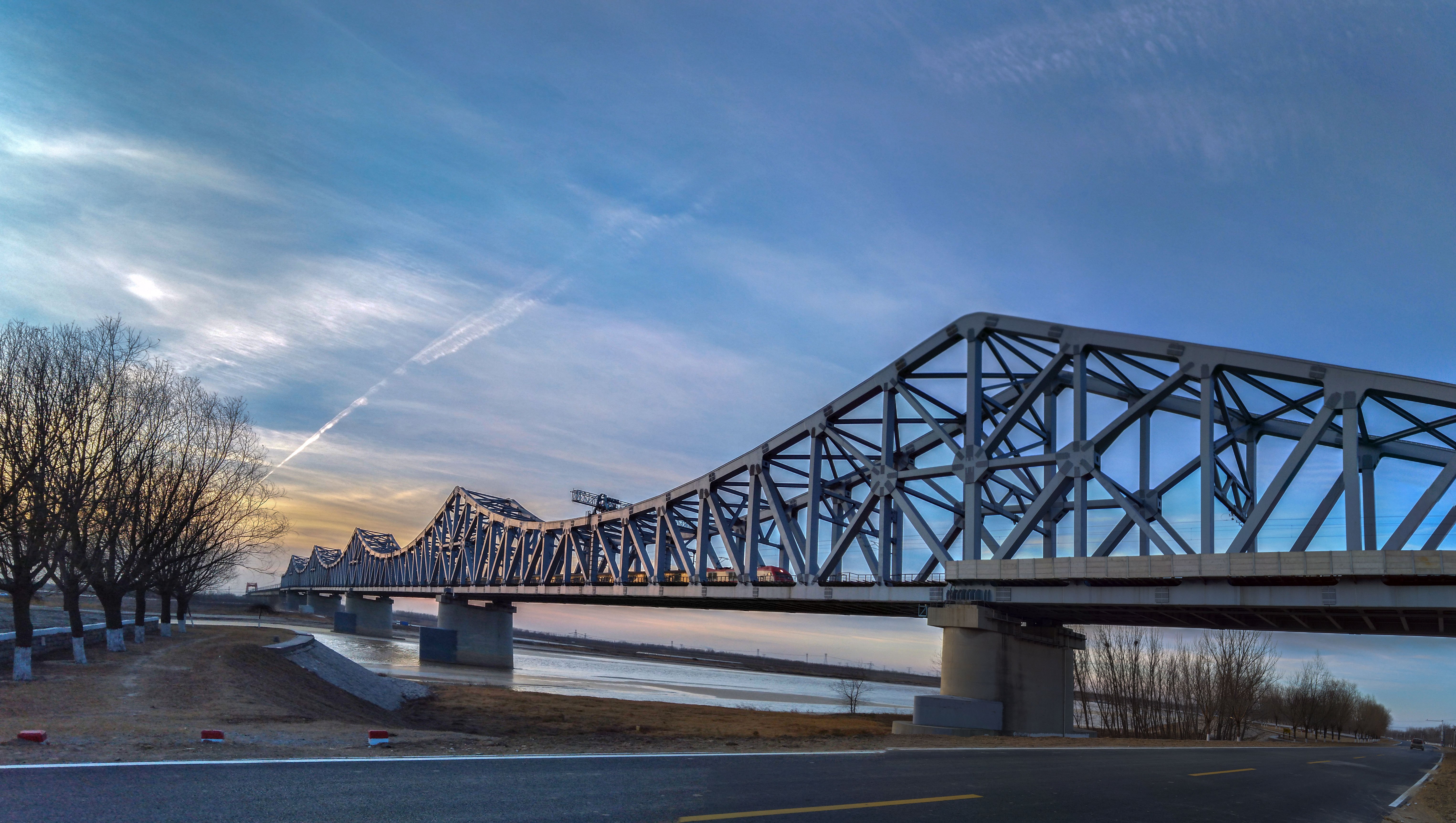
Modern Shandong oil city at the Yellow River Delta, where wetlands meet the Bohai Sea
Dongying is one of China's youngest cities, established in 1974 after the discovery of the Shengli oil field — the second-largest in the country — and it has the personality of a place built around a single industry in a hurry. The urban fabric is modern and utilitarian, but the natural setting is extraordinary: the city sits at the mouth of the Yellow River, where China's second-longest waterway deposits its sediment load into the Bohai Sea. The Yellow River Delta grows measurably every year as new land is created, and the resulting wetlands have become a major stopover for migratory birds on the East Asian flyway.
The Yellow River Delta Nature Reserve, at the river's current mouth, is the draw. Every spring and autumn, hundreds of species of migratory birds pass through on routes connecting Siberia and Australia, and the reserve's reed beds and mudflats host concentrations that are genuinely impressive even by the standards of dedicated birders. The Yellow River Estuary Scenic Area offers boat trips and observation platforms where you can watch the river deposit new land into the sea in real time — one of the stranger sights in eastern China.
The city itself offers a museum covering the region's history from Neolithic times through the oil era, and in Guangrao county a Song Dynasty wooden hall at the Guandi Temple is reputedly the oldest surviving wooden structure in Shandong. Dongying is not a destination that requires a long stay, but travelers moving along the northern Shandong coast who have any interest in wetland ecology or the landscapes of the Yellow River will find it more rewarding than its industrial reputation suggests.
Guide
Getting There
Dongying has a railway station on the Jinan–Xingyuan rail line, connecting to Jinan in about two hours and to the broader national network. The city also has Dongying Shengli Airport (DOY), with flights to Beijing, Shanghai, and other major cities. High-speed rail does not yet directly serve Dongying; most travelers use the conventional rail connection to Jinan and then transfer to high-speed services for longer journeys.
By road, Dongying sits on the G18 Rongcheng–Wuhai Expressway and is about three hours from Jinan and four from Qingdao by car or long-distance bus. Direct bus services connect to Jinan, Zibo, and coastal Shandong cities.
Guide
When to Go
Dongying has a continental climate tempered by proximity to the coast: hot and humid summers, cold and dry winters, with spring and autumn the most comfortable seasons. For birding in the Yellow River Delta reserve, April to May (northbound spring migration) and October to November (southbound autumn migration) are the clear optimal windows, with the greatest variety and concentrations of species. The reed beds are at their most photogenic in autumn, when they turn gold and amber.
Summer — June to August — brings reliable warmth but also the possibility of typhoon-related rainfall drifting up from the south, and the wetland mosquitoes are fierce. Winter visits are viable for specialists interested in wintering waterbirds, particularly cranes, but temperatures drop well below freezing in January and February. The spring bird migration coincides with the best wildflower and reed-green season, making April the single best month to visit.