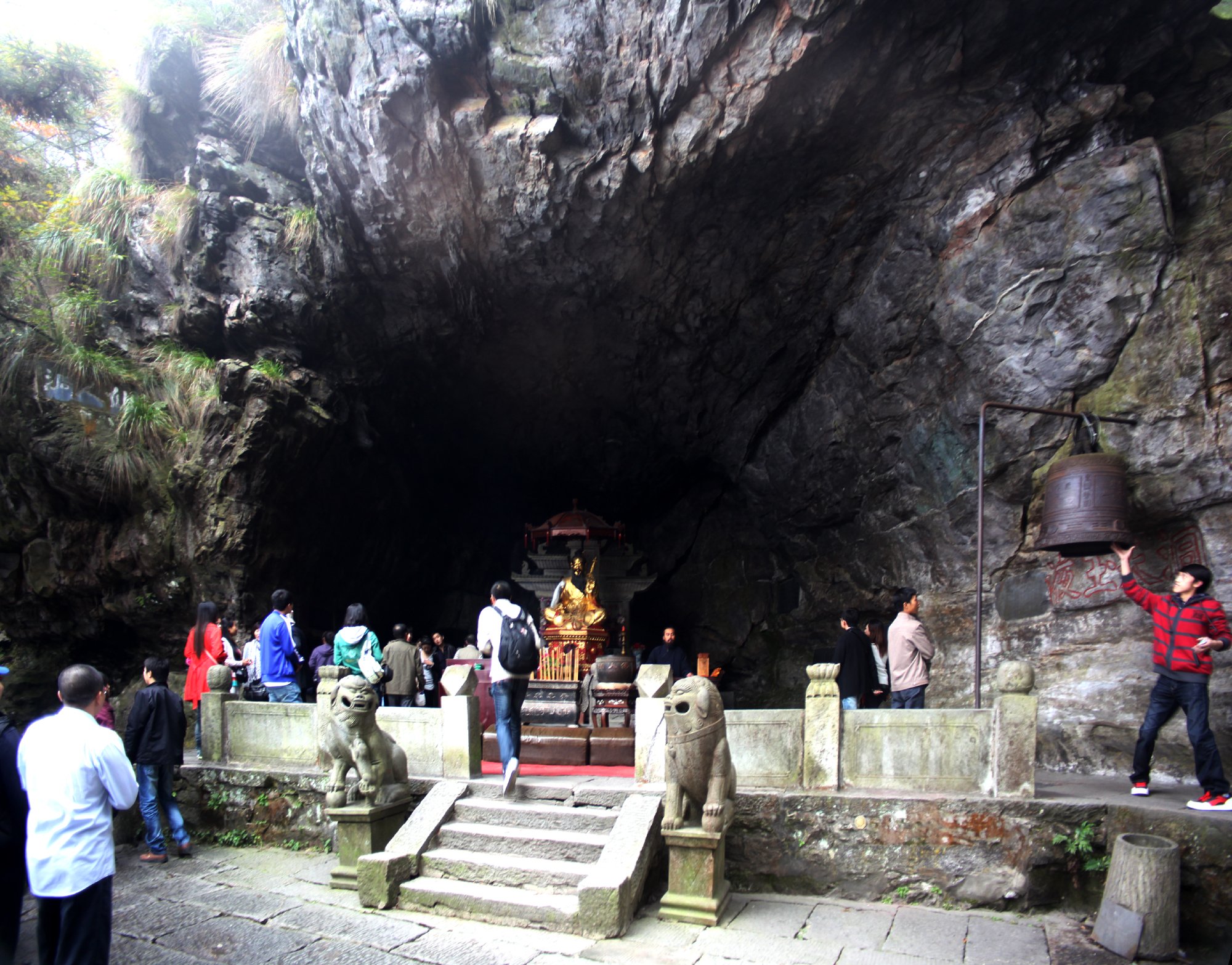
Lushan (庐山) is one of China's most celebrated mountains — a UNESCO World Heritage Site that combines dramatic scenery with layers of cultural and political history. The mist-wrapped peaks above Poyang Lake have inspired Chinese painters and poets for two millennia, and the list of historical figures associated with the mountain reads like a compressed tour through Chinese history.
At about 1,000 metres elevation, the township of Guling was developed by British missionaries and diplomats in the late 19th century as a summer retreat from the Yangtze River heat, and the colonial-era stone villas are still there, now guesthouses and restaurants. Chiang Kai-shek had his summer residence here; so did Mao Zedong, and the 1959 Lushan Conference — where Mao turned on critics of the Great Leap Forward — took place on the mountain. The sites associated with both are open to visitors.
The hiking is the real draw. The Sandiequan Waterfall, a spectacular three-step cascade dropping 155 metres into a deep gorge, is the unmissable attraction. A full-day circuit through Jin Xiugu Valley and past the botanical gardens covers the best of the landscape. The paths are almost entirely steep stone staircases — bring good shoes. The mountain is easily reached by bus from Jiujiang (15 minutes) or Nanchang (about 2 hours), and a weekly bus pass lets you explore without haggling with taxis.