Karimnagar is a mid-sized city in the Telangana region of what was formerly northern Andhra Pradesh (the state split in 2014, and Karimnagar now sits in Telangana). It is a regional trading town on the banks of the Maneru river, about 165 km north-east of Hyderabad, and almost no one visits it except for business or family. The two claims to fame are that former Indian prime minister P.V. Narasimha Rao was born in the district, and that this is the home of the annual Bathukamma festival — a distinctive Telangana celebration where women build towering, colourful flower arrangements on brass plates during the nine days before Dasara and sing folk songs around them in the courtyards of every household.
The reason a traveller might stop here is the countryside around the city. Kondagattu, about 35 km out, is an important hilltop Hanuman temple in a cluster of hills and natural springs — Telugu-speaking pilgrims come here believing the god grants fertility to women who complete forty days of prayer. The Elgandal Fort, a hilltop Kakatiya-era fortress just outside Karimnagar, has broken ramparts and a good view over the Manair. Another major draw is the Raja Rajeshwara Temple at Vemulawada, one of Telangana's most-visited pilgrimage sites, about 38 km west of the city.
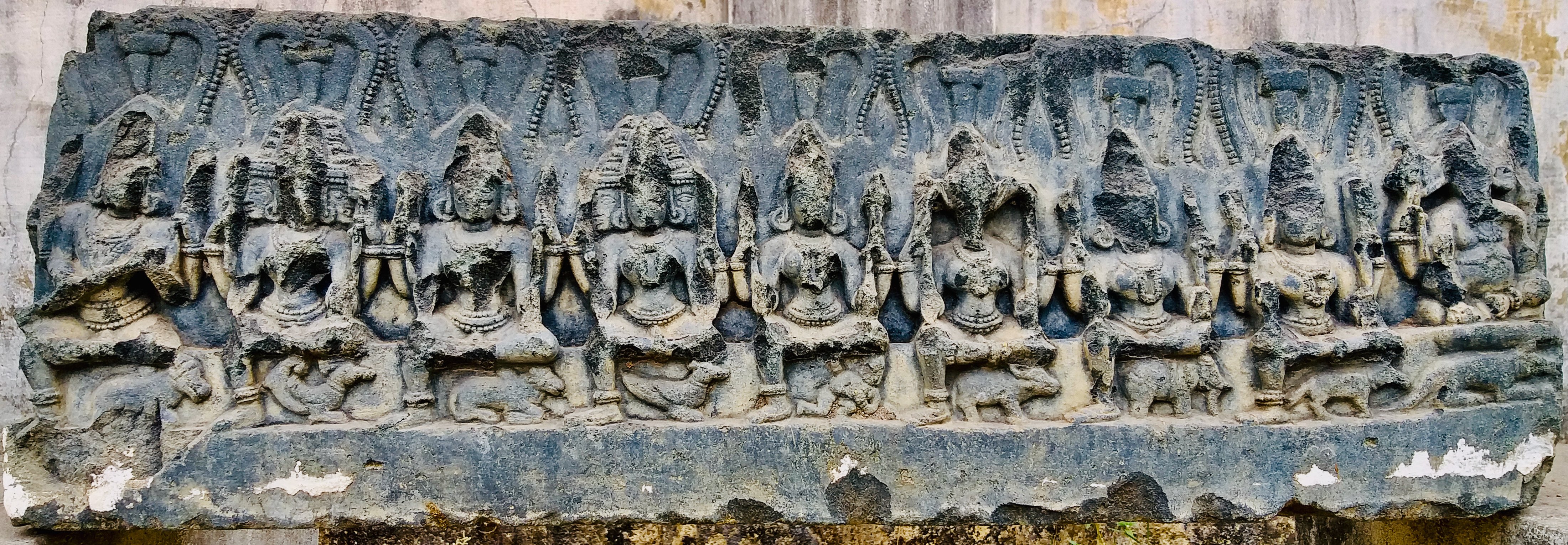
The small Archaeology Museum near the main bus station holds finds from the Satavahana and Kakatiya period — bronze figures, terracottas, and stone sculpture from local digs. Worth half an hour if you are passing through. Karimnagar is also the home of silver filigree — a 400-year-old craft of twisting fine silver wire into intricate lace patterns, recognised with GI status in 2007. Workshops in the Elgandal neighbourhood sell pieces and let visitors watch the process. Eat at one of the Irani cafés for the famous local tea, and try the Telangana specialities — sakinalu (rice-flour spiral crisps) and garelu (lentil doughnuts) — before moving on.
For a longer day, the Lower Manair Dam reservoir makes a pleasant outing with its lakeside parks and deer park. The Shivaram Wildlife Sanctuary, 80 km away along the Godavari, is the best place to see marsh crocodiles in the wild and is worth combining with an overnight stay.
For most travellers, Karimnagar is a stop on a longer itinerary in Telangana rather than a destination in itself, and it is best combined with visits to the Kakatiya-era temples at Warangal, the Thousand Pillar Temple at Hanamkonda, and the modern capital at Hyderabad.