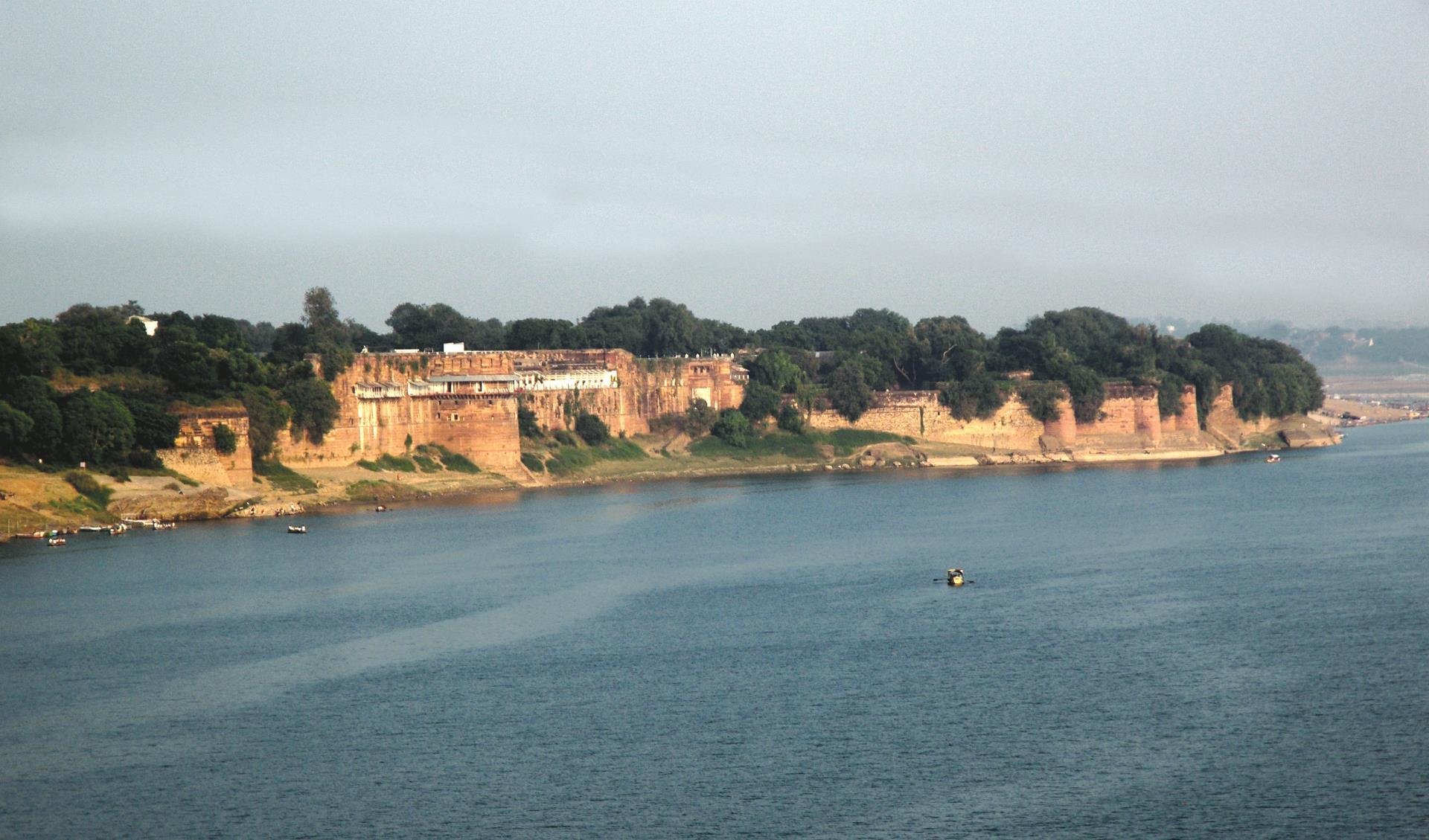
Allahabad (officially renamed Prayagraj in 2018) is one of the most sacred cities in India, situated at the Triveni Sangam — the confluence of the Ganges, the Yamuna, and the mythical underground Saraswati rivers. For Hindus, bathing at the Sangam is an act of enormous spiritual significance, and the city draws pilgrims year-round.
The Kumbh Mela, held every twelve years at Allahabad, is the largest peaceful gathering of humans anywhere on earth — tens of millions of pilgrims converge on the city over several weeks. Even in non-Kumbh years, the Magh Mela held annually is a massive event. The Sangam ghats are always busy and always atmospheric.
Beyond the religious sites, the city has a significant colonial history — it was the seat of the provincial government during the British Raj, and many of the freedom movement's leaders lived and agitated here. Anand Bhavan, former home of the Nehru family and now a museum, is well worth visiting. Allahabad Fort, built by Emperor Akbar in 1583 at the confluence, contains the Ashoka Pillar and is one of the great Mughal fortifications. Khusro Bagh, an undervisited Mughal garden near the railway station, holds three beautiful 17th-century mausoleums.
Allahabad University, one of the oldest in India, gives the city a lively intellectual atmosphere noticeably different from purely pilgrimage towns. The evenings on the ghats — when oil lamps are floated on the sacred rivers — are quietly beautiful.