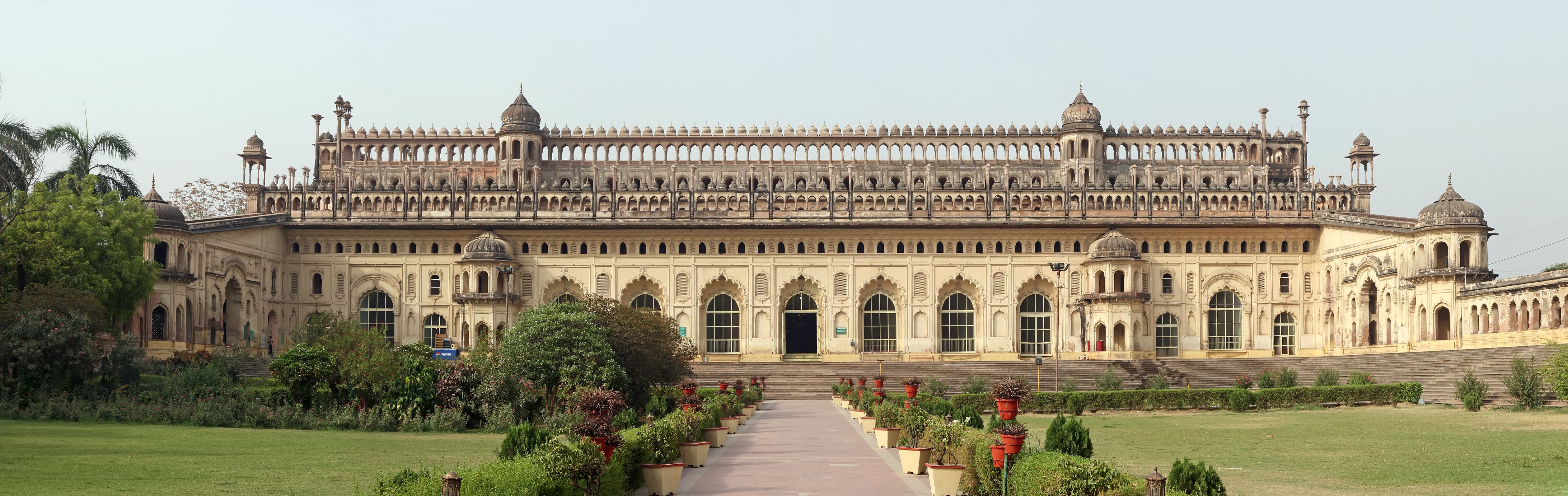
Lucknow stretches along the banks of the Gomti River, a city shaped above all by its Nawabi past. It was Nawab Asaf ud Daula who built the Lucknow we see today — the grand gateways, the intricate mosques, the sprawling Imambaras — and it was under Wajid Ali Shah that the city became the cultural capital of northern India, celebrated for Urdu poetry, classical music, and courtly manners so elaborate they became legendary. The British annexation of Awadh in 1856 ended the Nawabi era, but the refinement stuck.
Today Lucknow is a sprawling state capital with a population well over three million, but its old quarters still carry traces of that aristocratic past. The Bara Imambara and its bewildering labyrinth (the Bhool Bhulaiya), the crumbling Residency where the 1857 siege played out, and the ornate Rumi Darwaza are the headline sights. Hazratganj is the main commercial drag, while Aminabad and Chowk are the older, more chaotic bazaar districts where you will find the best street food and the finest chikankari embroidery — the delicate shadow-work on muslin that Lucknow has been famous for since the Mughal period.
The food alone is worth the trip. Awadhi cuisine is rich, slow-cooked, and fragrant — think dum biryani, galouti kebab, and nihari. In summer, hunt down dashari mangoes and falooda ice cream in Aminabad. The street chaat is excellent too, though if your stomach is unaccustomed, start cautiously. Lucknow takes its food as seriously as its poetry.