Zamboanga City sits at the southwestern tip of Mindanao, closer to Malaysia than to Manila, and it feels like it. The city is a place where Spanish colonial history, Muslim tradition, and Filipino culture have been layered on top of each other for four centuries — and where the result is unlike anywhere else in the Philippines.
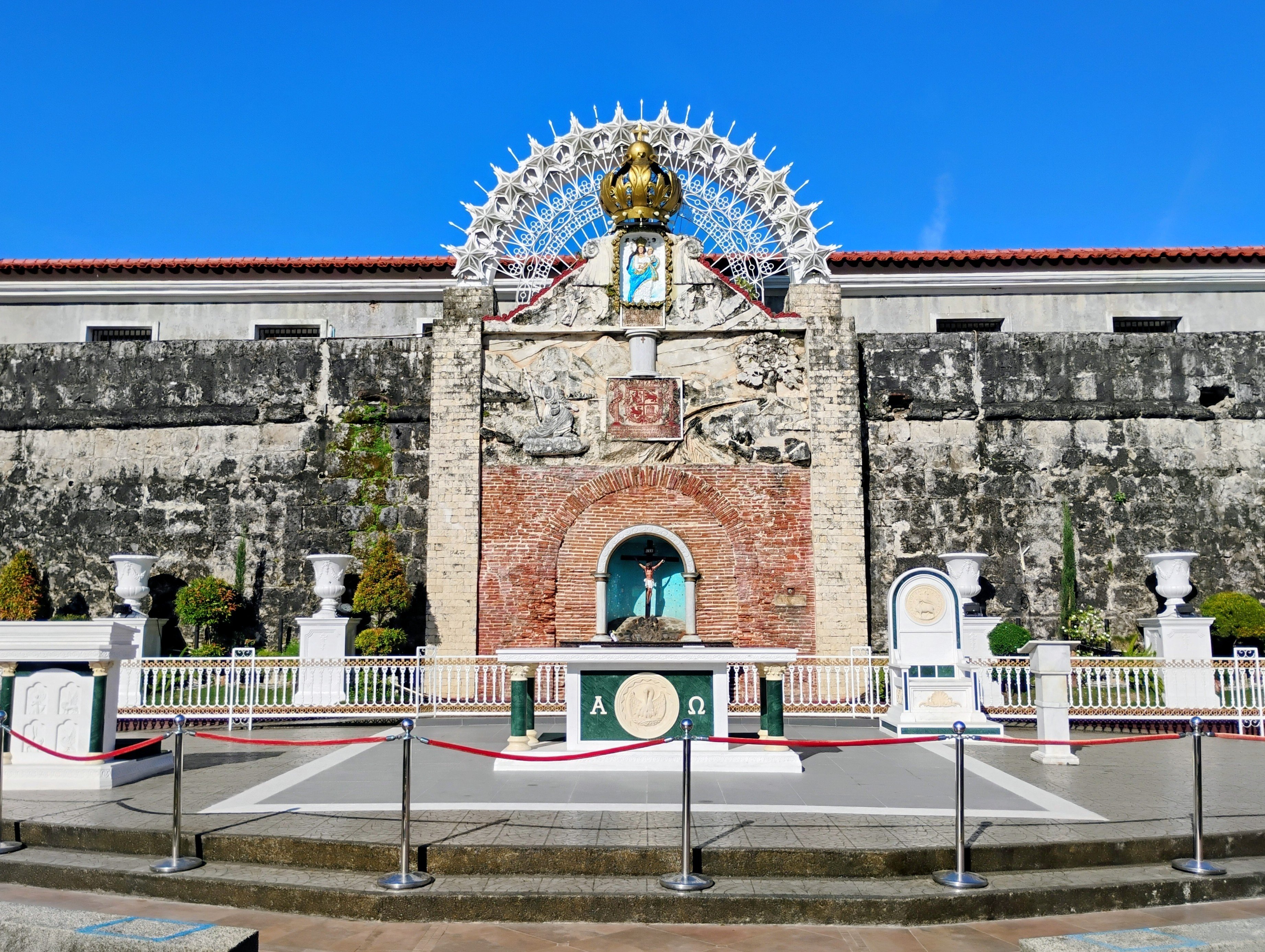
The most visible emblem of that history is Fort Pilar, built in 1635 by Spanish Jesuits and colonial authorities to fend off attacks from the Moro sultanates and foreign raiders. The old stonework has survived wars, typhoons, and centuries of neglect, and now houses the Regional Museum of Natural History and a popular Catholic shrine. The statue of Our Lady of the Pillar inside the fort draws pilgrims from across the region — a peculiar overlap of Spanish Catholicism and Mindanao's Muslim-majority surroundings. The Metropolitan Cathedral a few blocks inland is the seat of the local archdiocese.
Downtown revolves around Plaza Pershing, a classic Spanish square renamed in honor of General John Pershing, who served as military governor of the Moro Province during the American occupation. The architecture around the plaza — including the white Mediterranean-revival City Hall — mixes colonial Spanish and American-period buildings, and the streets nearby are home to the distinctive sounds of Chavacano — the city's own Spanish-based creole language, spoken nowhere else in Asia. The seaward edge of downtown is the Paseo del Mar waterfront, the city's main evening gathering place.
The standout natural attraction is Great Santa Cruz Island, a short boat ride from the city waterfront. The island is famous for its pink-tinged beach, the colour coming from crushed coral and red foraminifera mixed into the white sand. Behind the beach is a lagoon, a small fishing village, and an old Muslim burial ground. Day trips to the island are easy to arrange from the pier near Fort Pilar. The Sama-Bajau community of Rio Hondo, built out over the tidal flats on stilts immediately east of the fort, is one of the most striking sights from the bridge.
On the water, look for the vinta — brightly painted outrigger sailboats with multicoloured sails that have been the traditional vessel of the Tausug and Sama-Bajau peoples for generations. They remain a working part of the harbour, not just a tourist display. North of downtown, Pasonanca Park is the city's main green space, and the Yakan Weaving Village on the western edge keeps the geometric, brightly coloured Basilan textile tradition alive.
A safety note: Zamboanga City and the surrounding Mindanao region have a history of instability, and kidnapping incidents have occurred in the past. Check current travel advisories before visiting, stay within the city centre, and avoid moving around after dark.