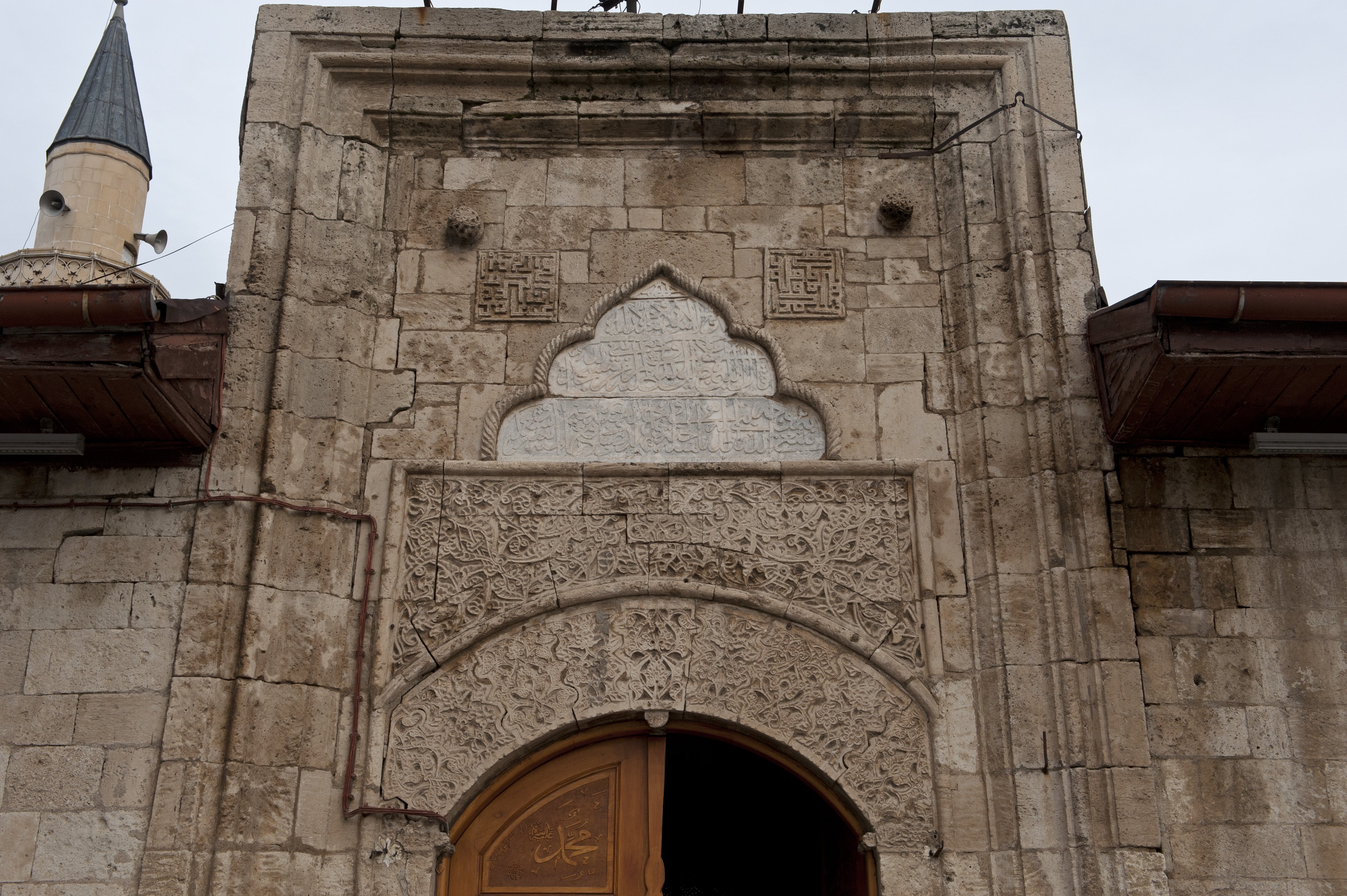
Karaman sits on the dry Anatolian plateau south of Konya, a quieter city with a surprisingly deep historical stack. It was the seat of the Karamanids, the Turkmen dynasty that challenged the Ottomans for control of central Anatolia, and its centre still has the castle, mosques, and medrese portals of a small but serious capital.
The city is best understood on foot. Karaman Castle rises from a low mound in the old centre, while the Aktekke Mosque carries Karaman's connection to the family of Mevlana, better known through nearby Konya. The Karaman Museum gives useful context, with finds from the surrounding plain and the Karamanid period.
Karaman's strongest day out is north of town at Binbirkilise, the scattered "Thousand and One Churches" on the slopes of Karadağ. The ruins are not polished like a major open-air museum, which is part of the appeal: Byzantine churches, cisterns, and village fragments sit out in the high, open country. With a car, Karaman becomes a rewarding stop between Konya, the Taurus foothills, and the less-travelled interior of southern Turkey.