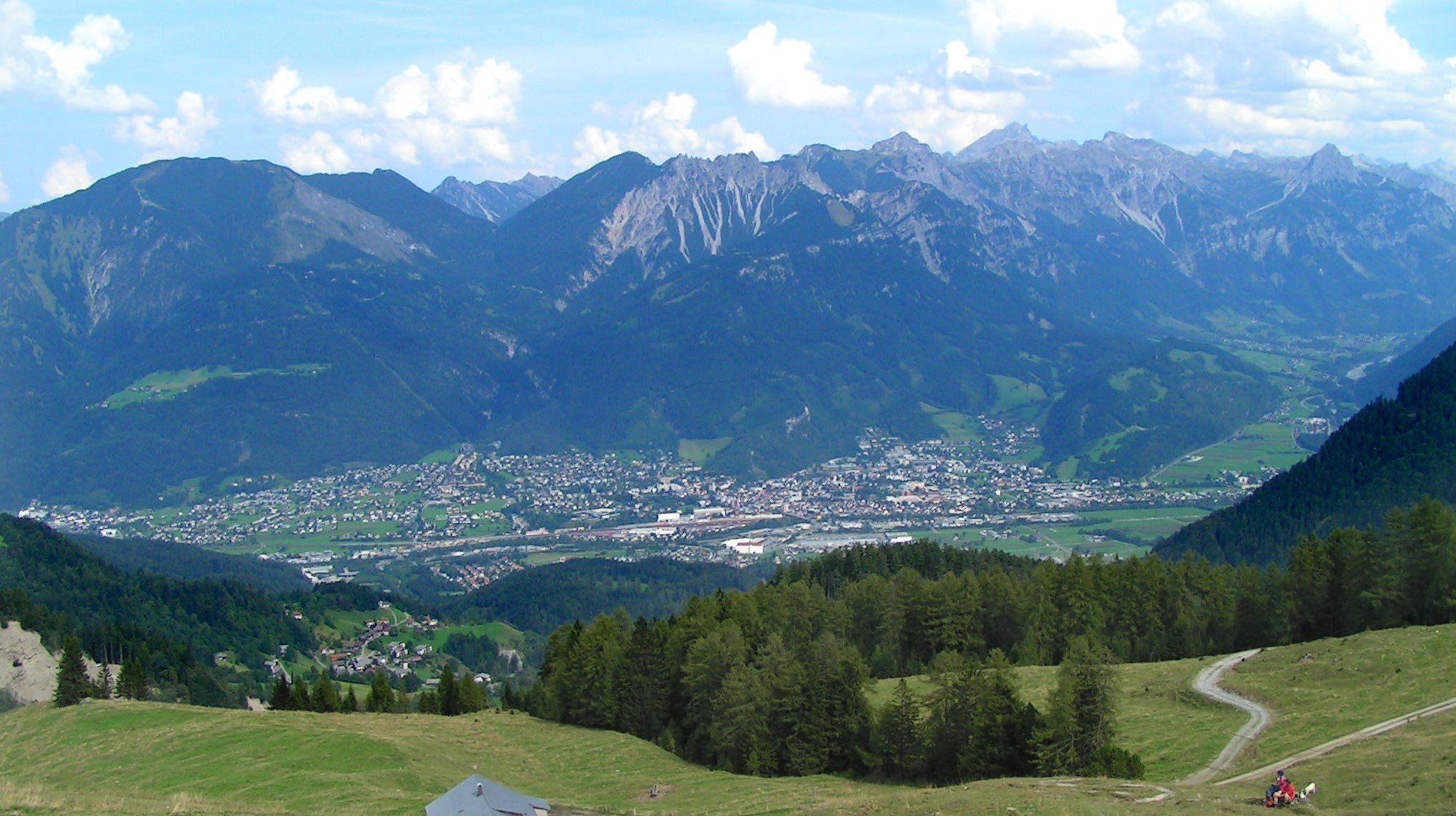
Bludenz
©
Bludenz

Bludenz

Vorarlberg alpine town where five valleys meet beneath the Rätikon peaks and painted old facades.

Bludenz is a small Alpine town in Vorarlberg, western Austria, where five valleys converge beneath the peaks of the Rätikon range. It is a natural crossroads — the Brandnertal, Klostertal, Montafon, Großes Walsertal, and Walgau all meet here — and a practical base for summer hiking and winter skiing in some of Austria's less crowded mountain terrain.

The old town is compact and attractive, with painted facades and a castle (Schloss Gayenhofen) overlooking the rooftops. Bludenz is also home to the Milka chocolate factory, and on warm days the scent of cocoa drifts over the town centre. The Großes Walsertal, a UNESCO biosphere reserve just to the north, is one of the quietest and most beautiful valleys in the Alps — perfect for walking without the crowds of the Arlberg or the Zillertal.

Guide

Getting Around

The old town is small enough to cover entirely on foot. The main pedestrian zone and the uphill path to Schloss Gayenhofen take under an hour combined.

For the surrounding valleys, regional buses depart from outside Bludenz Bahnhof into the Brandnertal, Klostertal, Montafon, Großes Walsertal, and Walgau. Timetables are coordinated with train arrivals. The Vorarlberg Verkehrsverbund (VVV) pass covers all these buses and is good value for a multi-day stay.

A car becomes useful if you want flexibility in the valleys — some trailheads and villages are poorly served by buses in the shoulder seasons — but is not essential for a visit focused on Bludenz itself.

Guide

Getting There

Bludenz sits on the Arlberg railway line, one of Austria's main east-west routes, which makes it well-connected by train. From Zurich the journey takes around two hours; from Innsbruck roughly 1.5 hours; from Vienna about five hours with a change. The Arlberg route passes through some dramatic scenery — if you are coming from the east, the descent from the Arlberg Pass into Vorarlberg is one of the better train journeys in the Alps.

Bludenz Bahnhof is the hub for regional buses into all five surrounding valleys, which means you do not need a car to reach most of the area's walking and skiing destinations. The station building itself is modest but functional, with luggage lockers and connections timed to meet trains.

By car, Bludenz is reached via the A14 Rheintal-Walgau motorway from the west (Feldkirch and Bregenz) or from the east via the S16 through the Klostertal. The town centre has paid parking; most visitors staying for a few days find a hotel with parking more practical.

Guide

Things to Do

Bludenz rewards slow exploration. The old town is compact enough to cover on foot in a morning, and the surrounding valleys open up into some of the quietest alpine terrain in Austria. The Großes Walsertal to the north, a UNESCO biosphere reserve, is the standout — genuinely uncrowded, with walking trails that pass through traditional farmsteads and flower-covered meadows. The Brandnertal to the south leads toward the Lüner See, a high-altitude lake worth the effort. Beyond sightseeing, the town's position at the meeting of five valleys means you can pick a different direction each day.

Use the filters below to browse by type.

Guide

When to Go

Summer (June to September) is the best time for hiking. The trails into the Großes Walsertal and Brandnertal are at their best in July and August, and the Muttersberg offers reliable views from June onwards. The valleys can be busy in August but rarely feel overcrowded by alpine standards.

Winter brings skiing to the nearby Brandnertal and the sprawling Montafon — both accessible by bus from Bludenz. The town itself sits in the valley and gets less sun in winter, but the Muttersberg plateau above stays bright, and Bludenz makes a quieter and cheaper base than the dedicated ski resorts.

In late July, the town holds the Bludenzer Käse & Wurst festival, a celebration of Vorarlberg's dairy and charcuterie traditions, which draws producers from across the region. It is a good reason to time a visit if you happen to be in western Austria in summer.

Spring and autumn are pleasant for walking without the summer crowds, though some cable cars and mountain services operate reduced schedules. The Großes Walsertal is particularly striking in early autumn when the larch forests turn.