Vienna is well placed for day trips. Schönbrunn and the Vienna Woods are inside or right on the edge of the city limits; for trips further afield the train is efficient and reasonably priced.
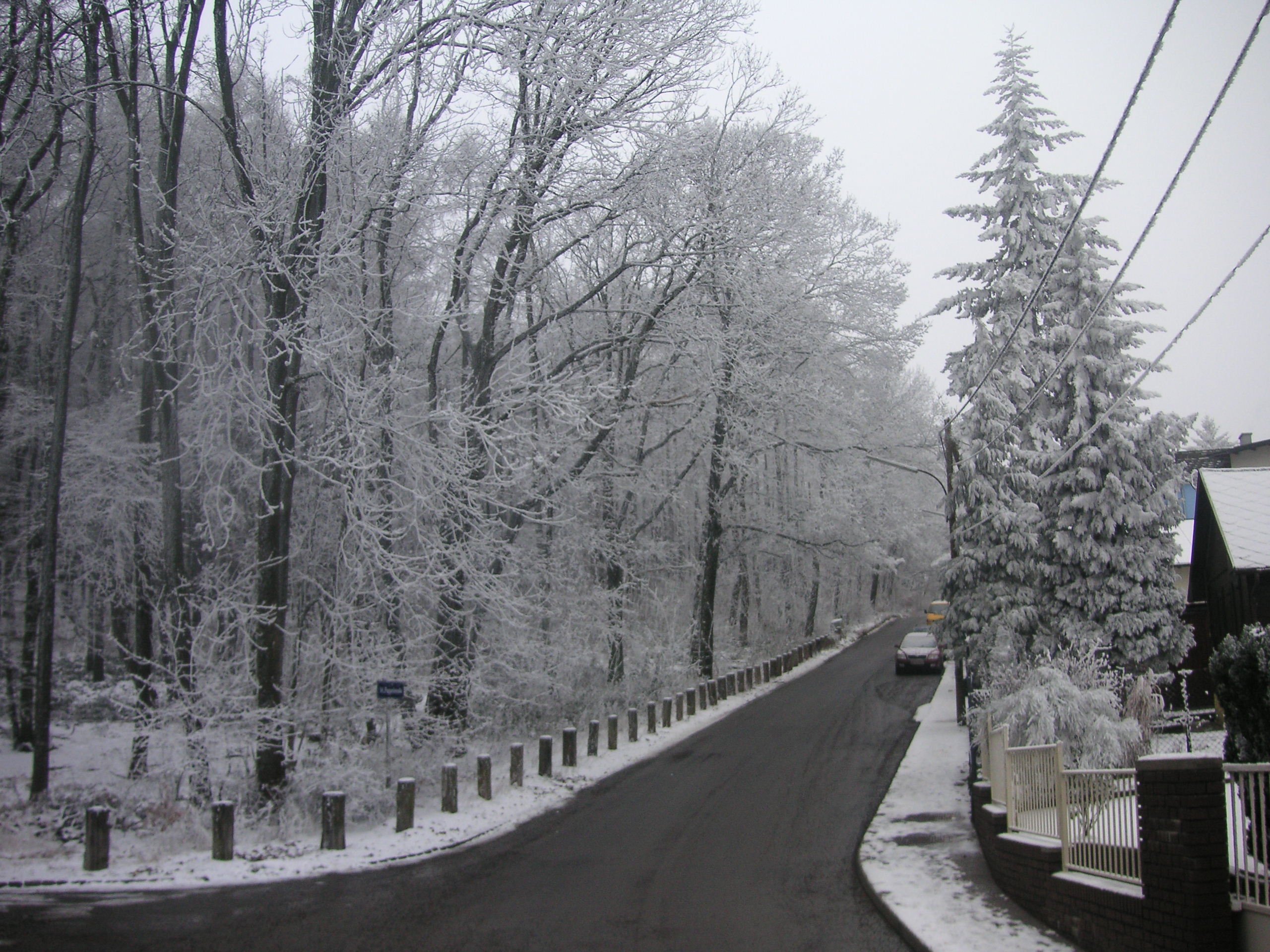
The Wienerwald (Vienna Woods) is the simplest escape of all — a UNESCO biosphere reserve of beech forest, meadows, and vineyards wrapping the western and northern edge of the city. Take the 38A bus up to the Kahlenberg for the classic panorama, then walk down through the vineyards to a Grinzing wine tavern.
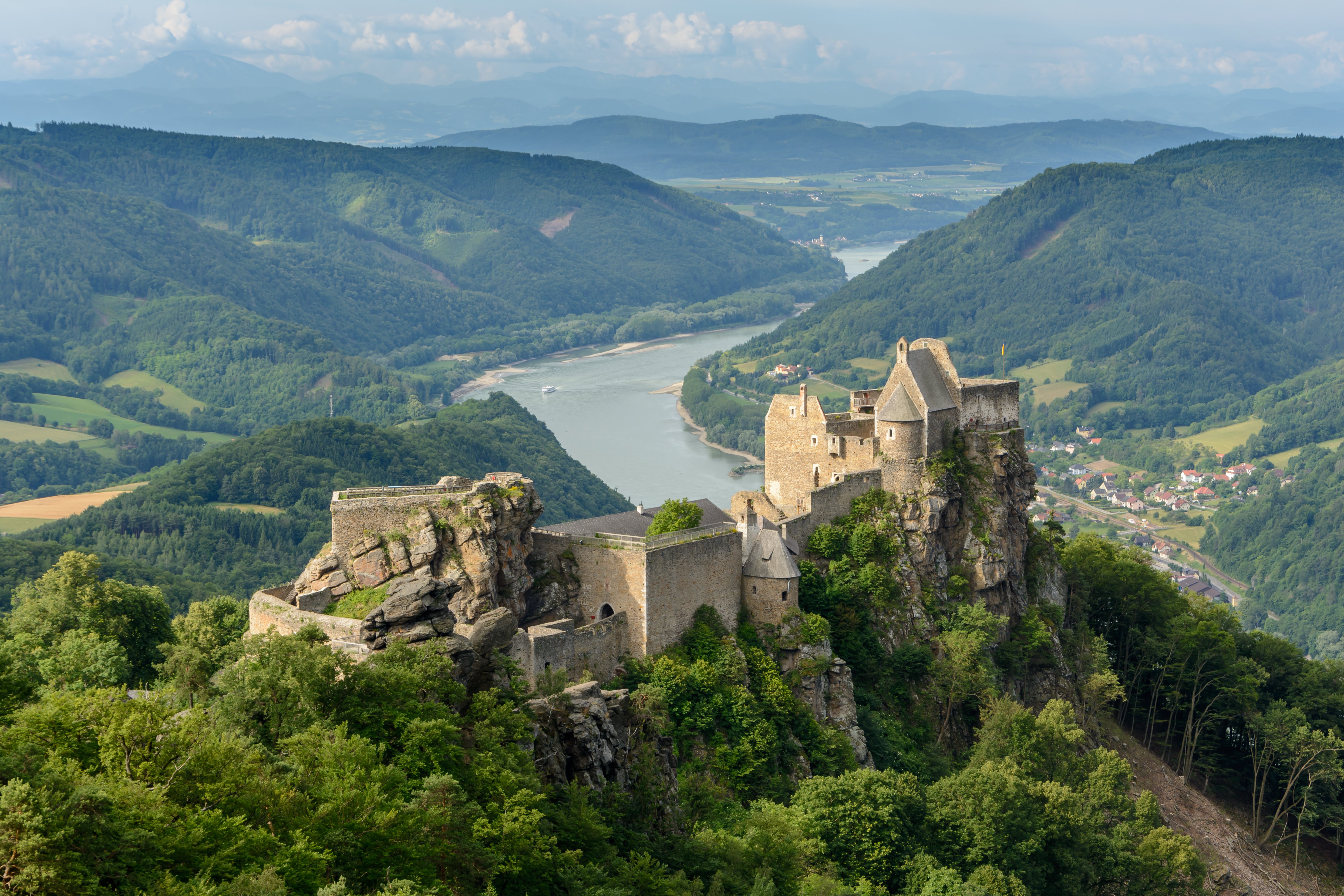
The Wachau is a UNESCO World Heritage stretch of the Danube an hour west of Vienna, with terraced vineyards, the Benedictine abbey at Melk, the medieval town of Krems, and the apricot orchards of Dürnstein where Richard the Lionheart was once imprisoned. Easiest as an organised boat-and-train excursion.
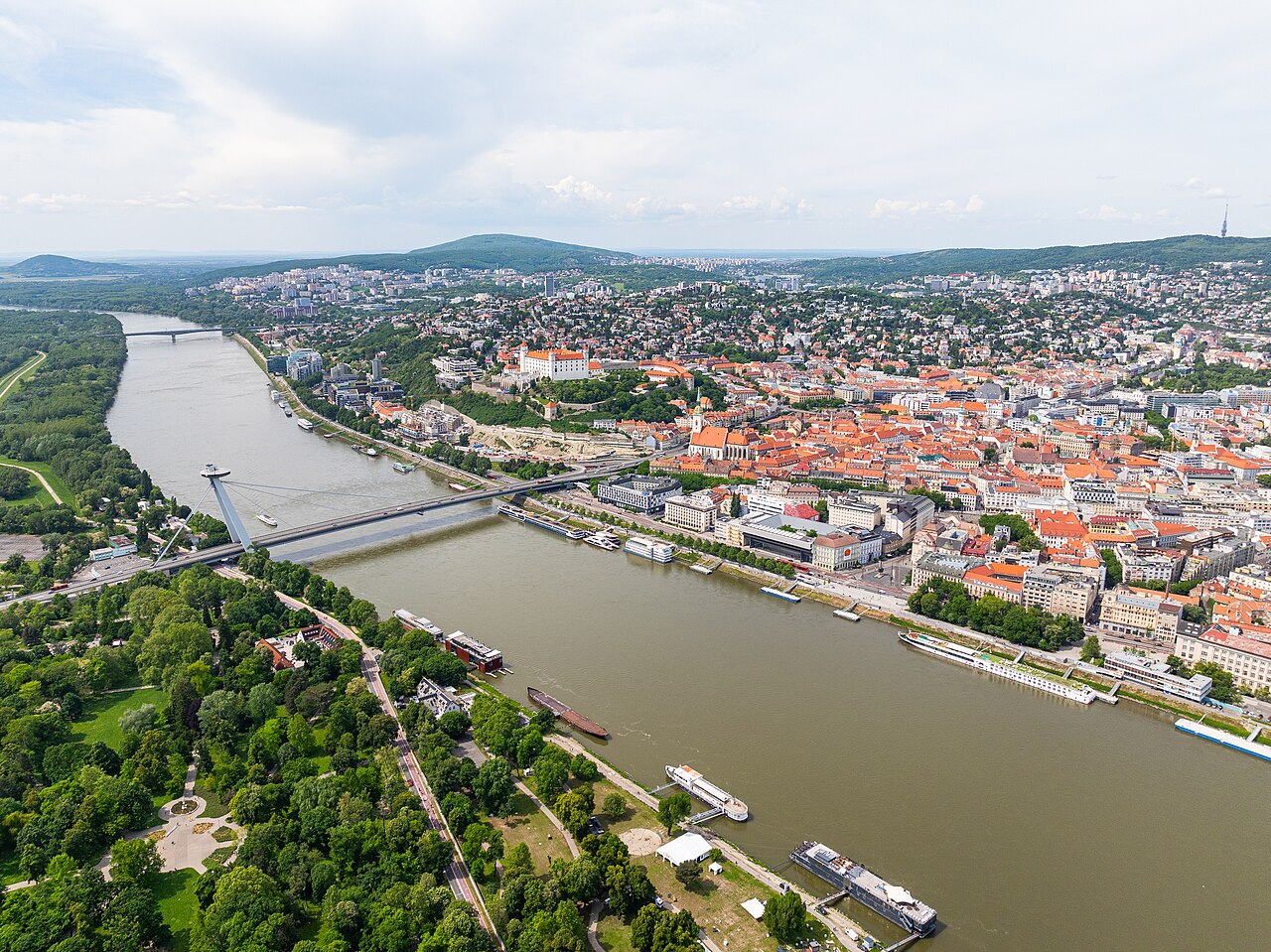
Bratislava, the Slovak capital, is one of the closest capital cities to Vienna — around an hour by train or a four-hour boat trip down the Danube. The old town is small, walkable, and pretty; the food and beer are noticeably cheaper.
Klosterneuburg Abbey, 12km north of the city centre, is a 900-year-old Augustinian abbey holding the famous Verdun Altar and Austria's oldest working vineyard. Covered as a point of interest in this guide.
Mayerling — a short trip into the Vienna Woods to the former hunting lodge where Crown Prince Rudolf killed his mistress and himself in 1889, the scandal that did most to undermine the Habsburg succession.
Eisenstadt — capital of Burgenland, 45 minutes south-east of Vienna by train. The seat of the Esterházy princes and the place where Haydn worked for thirty years. The Esterházy Palace and Haydn's house are both open to visitors.
Bratislava and the Wachau are the two day trips that almost every visitor enjoys.