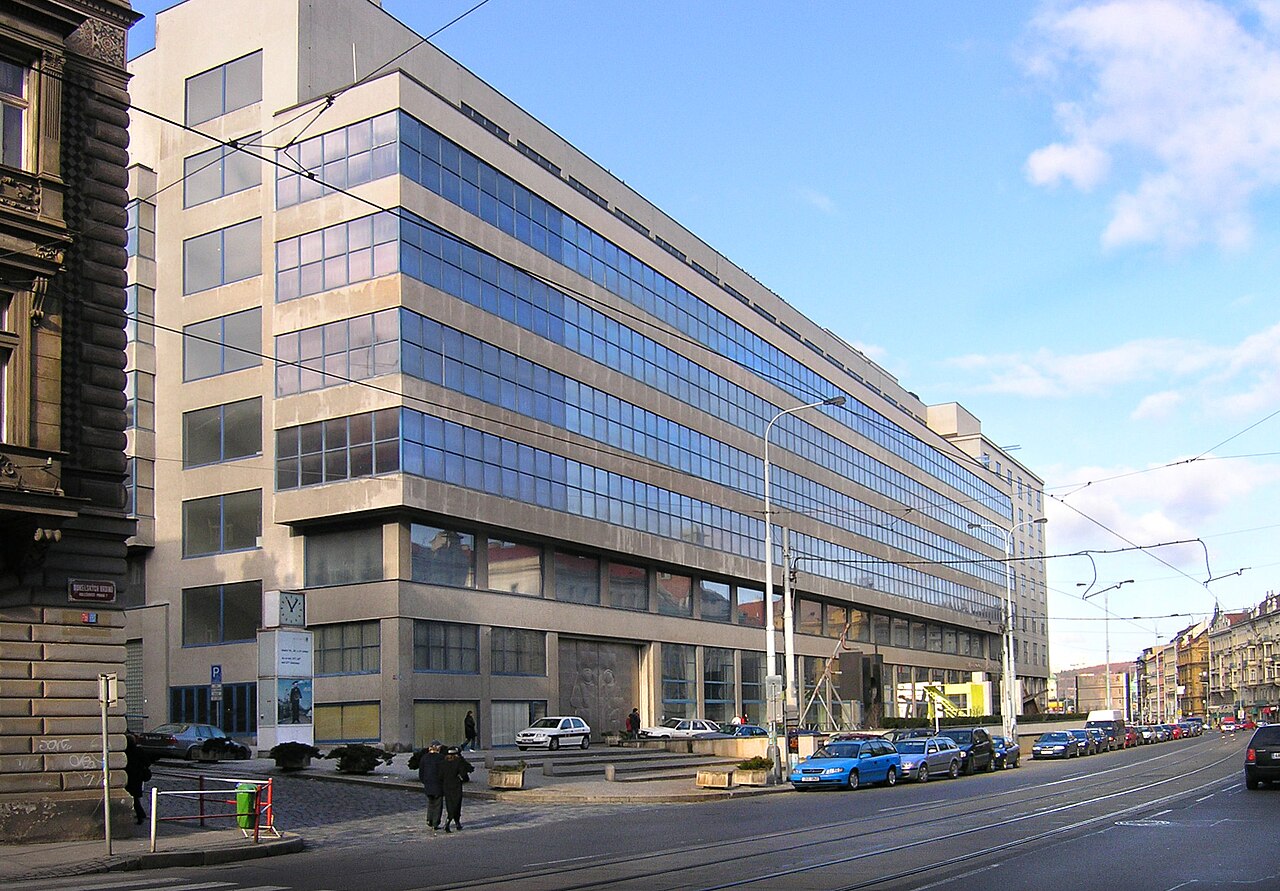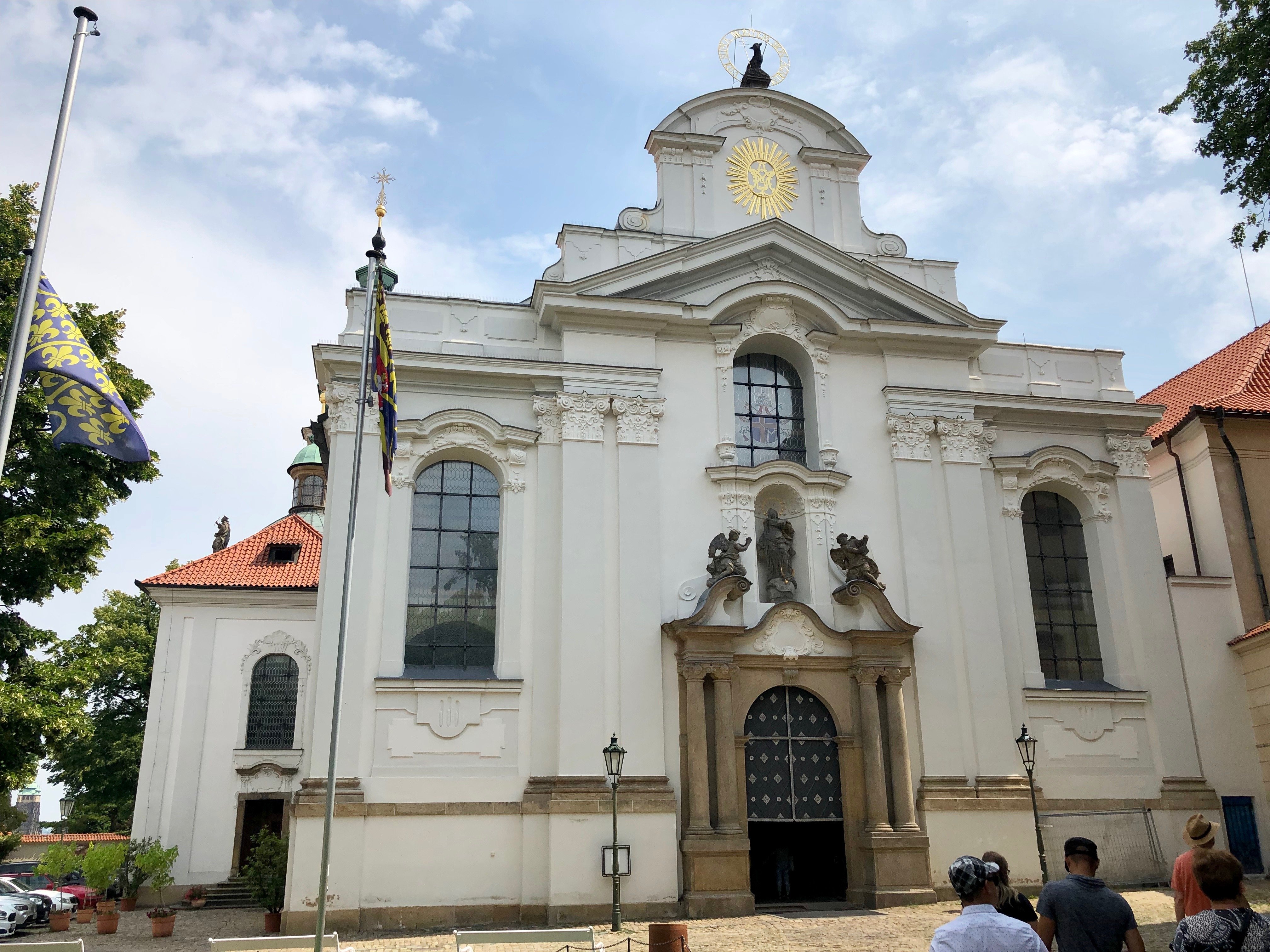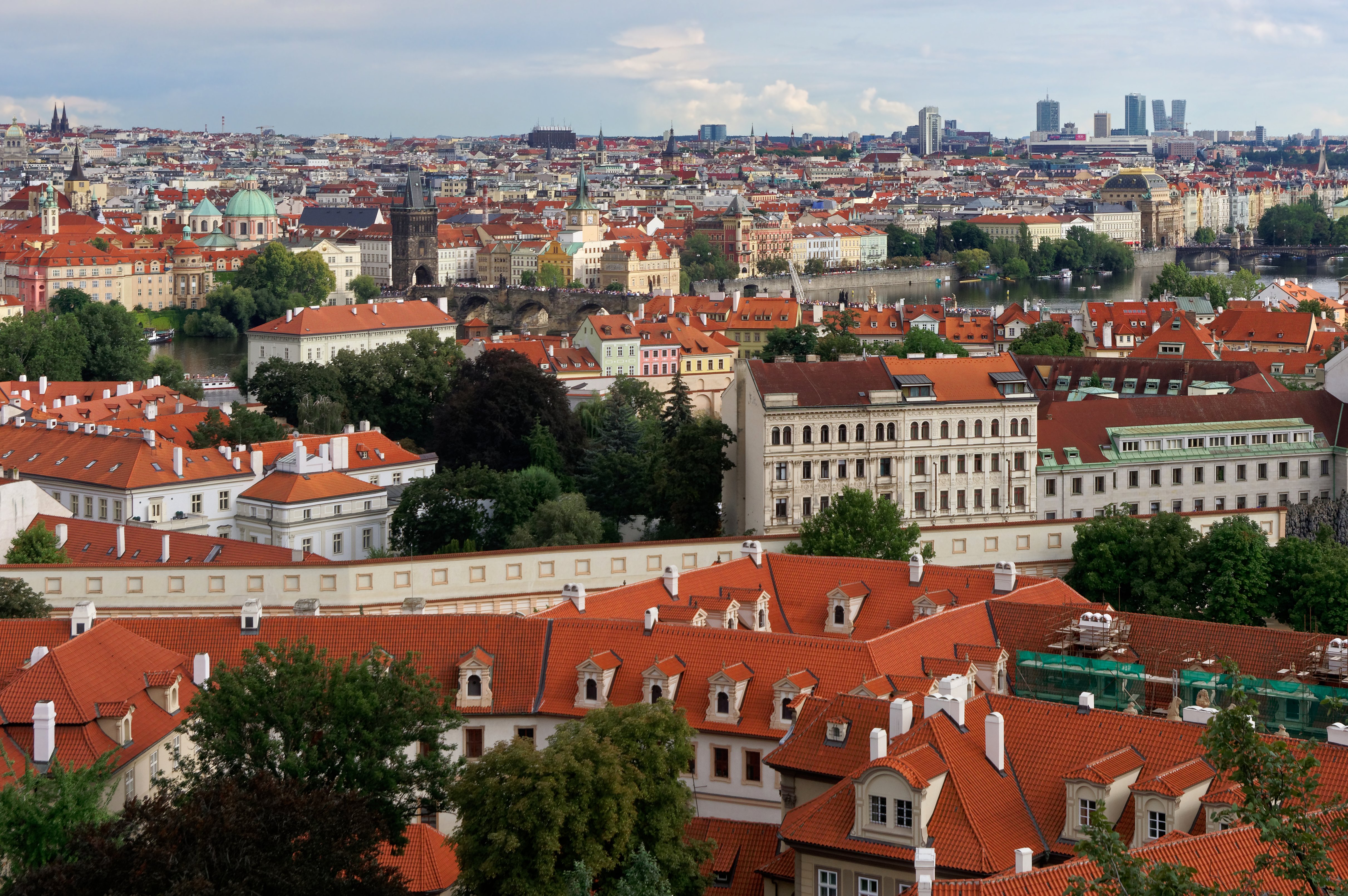
We think Prague is one of the prettiest cities in the world. Built on seven hills and divided by the Vltava (Moldau) River, this capital of 1.3 million is unique among Central European cities: it survived World War II nearly intact. As a result it has beautiful architecture spanning Romanesque, Gothic, Renaissance, baroque, Art Nouveau, and modernist periods — all within walking distance of each other.
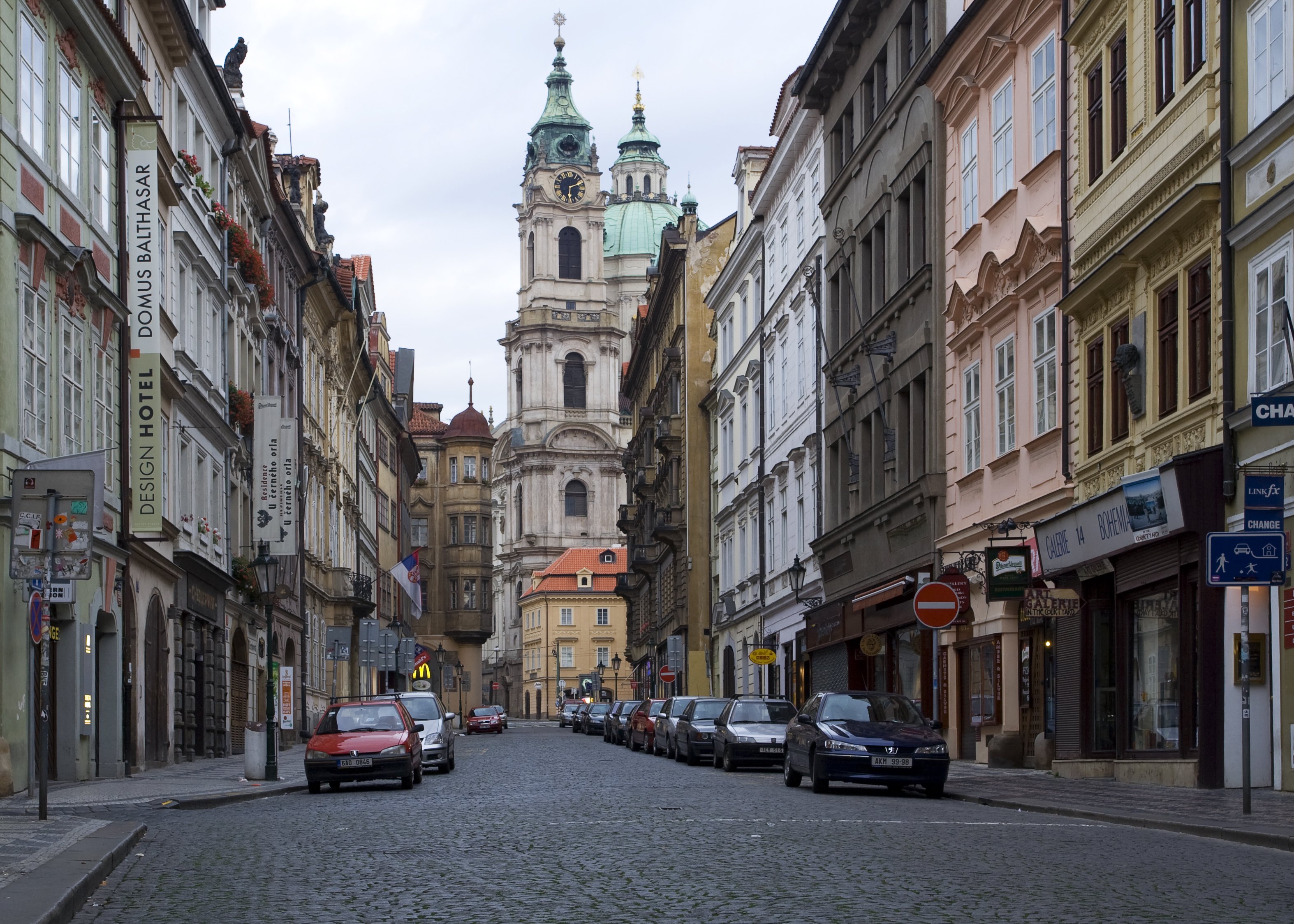
Most of the city’s main attractions cluster in the centre. Prague Castle on the Hradčany hill is the obvious starting point — the world’s largest coherent castle complex, containing St Vitus Cathedral and Golden Lane. Crossing the Charles Bridge on foot brings you down into Malá Strana, the baroque Lesser Town, with the Church of St Nicholas and the Lennon Wall. From there the bridge leads to Staré Město, the Old Town, where the Old Town Square and its Astronomical Clock draw the crowds.
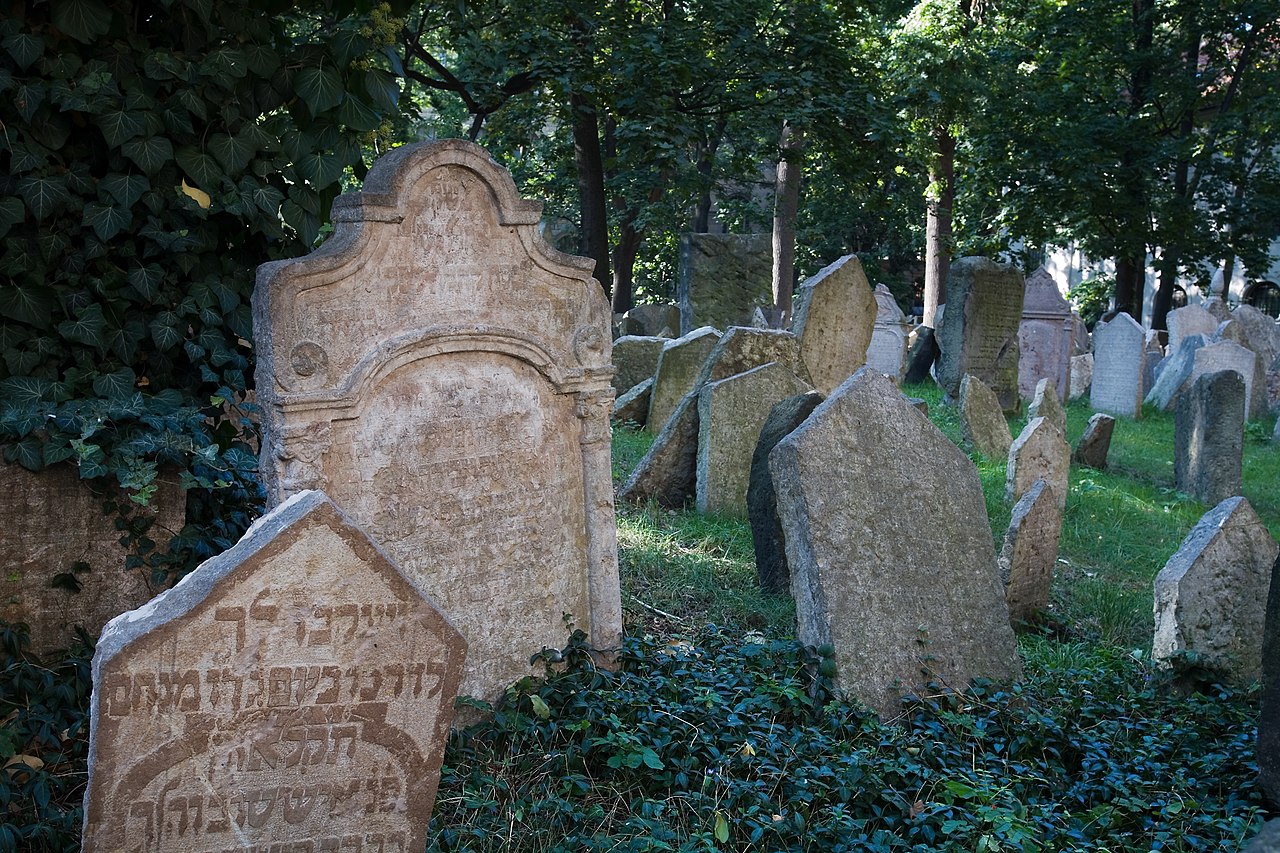
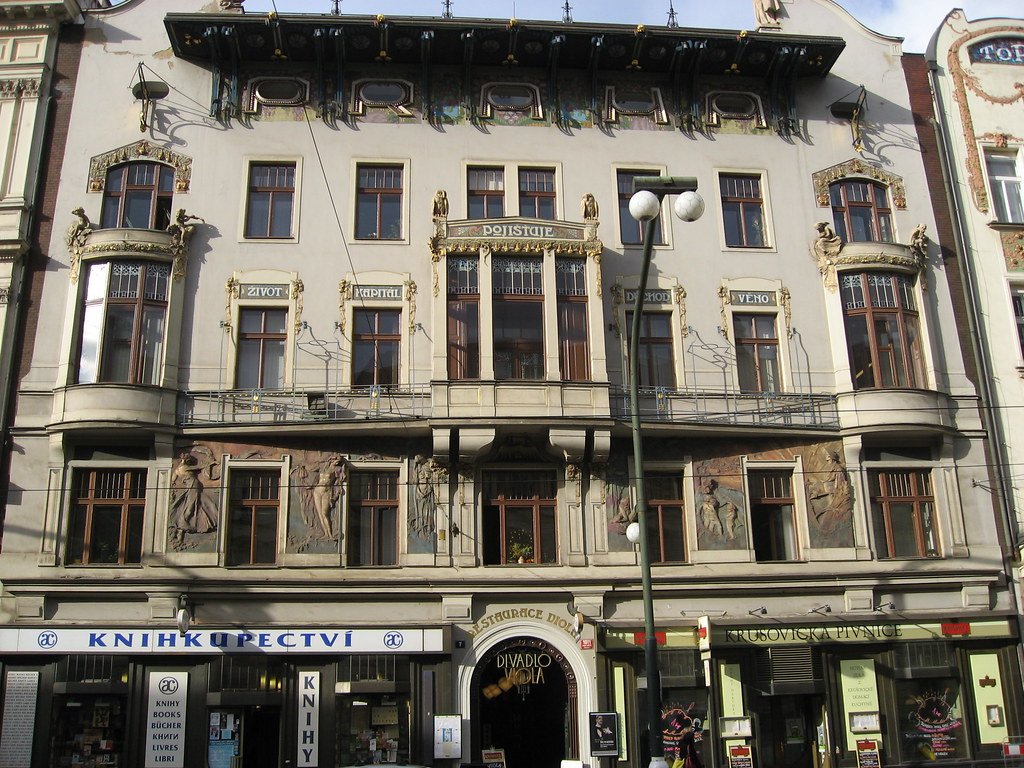
The Art Nouveau Municipal House on náměstí Republiky is Prague’s most ornate building; independent Czechoslovakia was proclaimed from its Smetana Hall in 1918. The adjacent Estates Theatre, where Mozart himself conducted the premiere of Don Giovanni in 1787, is the finest 18th-century opera house in Central Europe. The Jewish Quarter (Josefov) contains six historic synagogues, the Old Jewish Cemetery, and the haunting Pinkas Synagogue memorial.
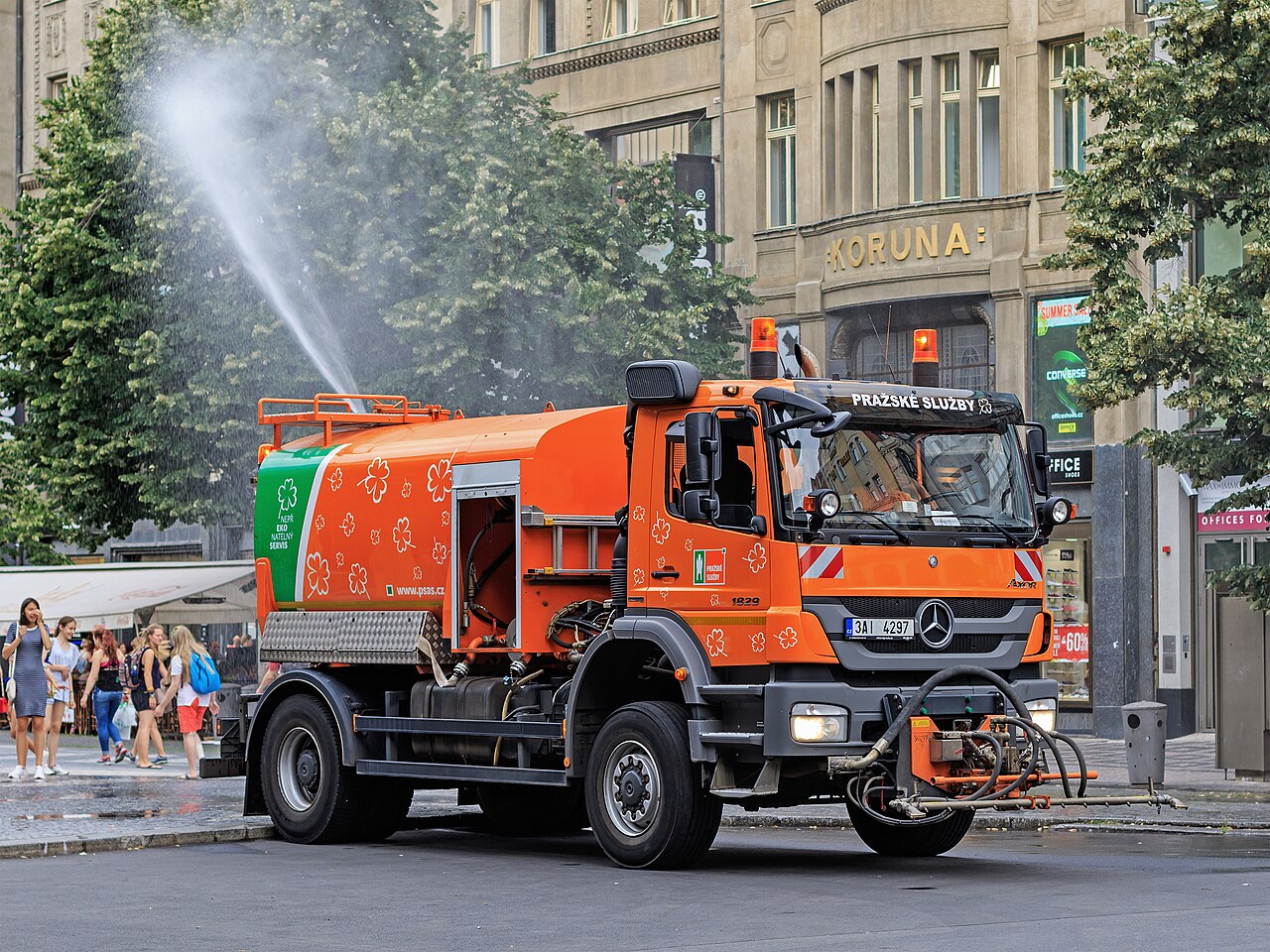
The centre of modern Prague is Wenceslas Square in Nové Město, site of the 1989 Velvet Revolution. The National Museum dominates its upper end; the Lucerna Palace arcade below it — designed by President Havel’s grandfather — is a perfect antidote to polished tourist Prague. East of the Old Town, the Mucha Museum dedicates itself to the great Art Nouveau illustrator; a longer trip to Veletržní Palace in Holešovice rewards those who want the full Mucha Slav Epic cycle.
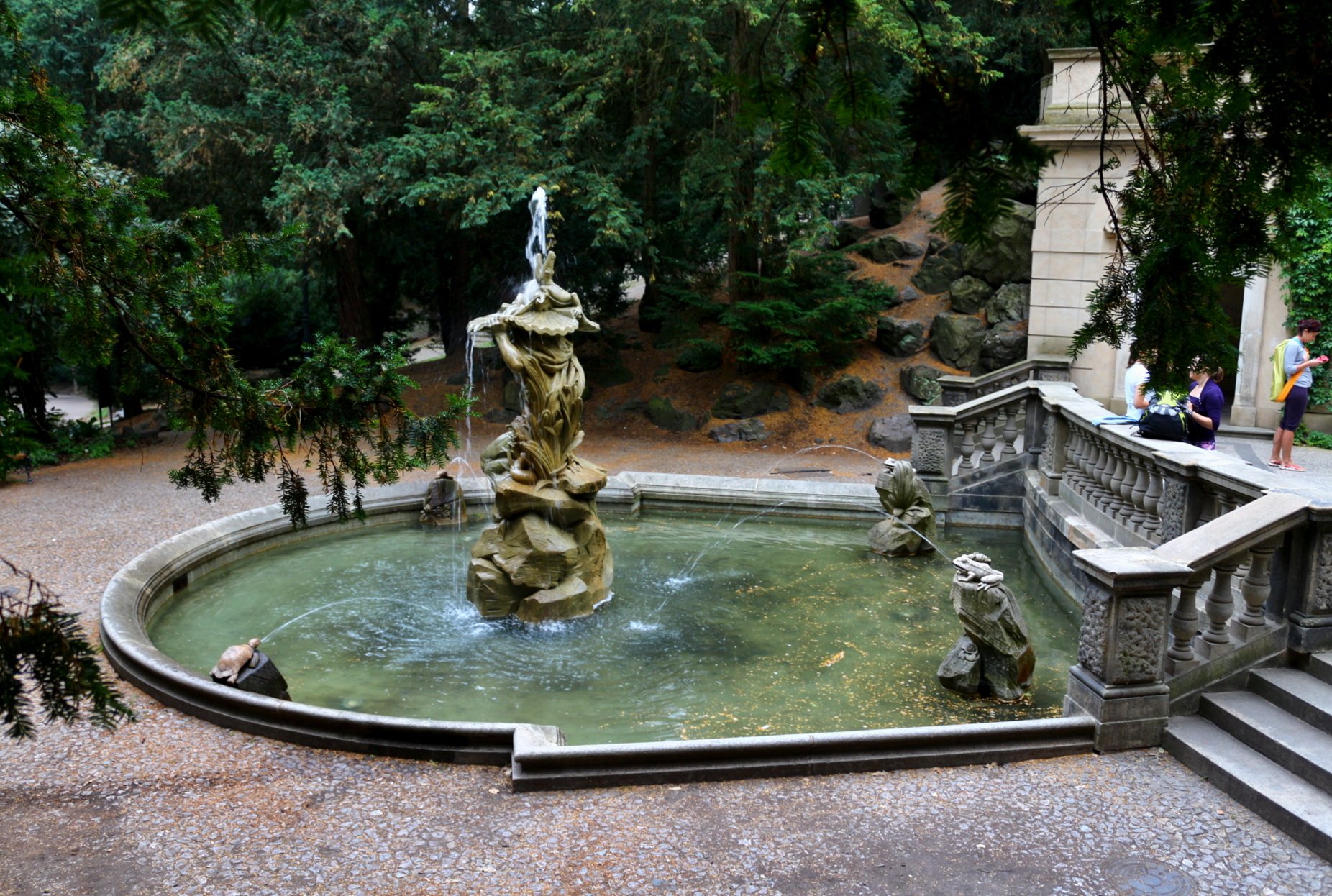
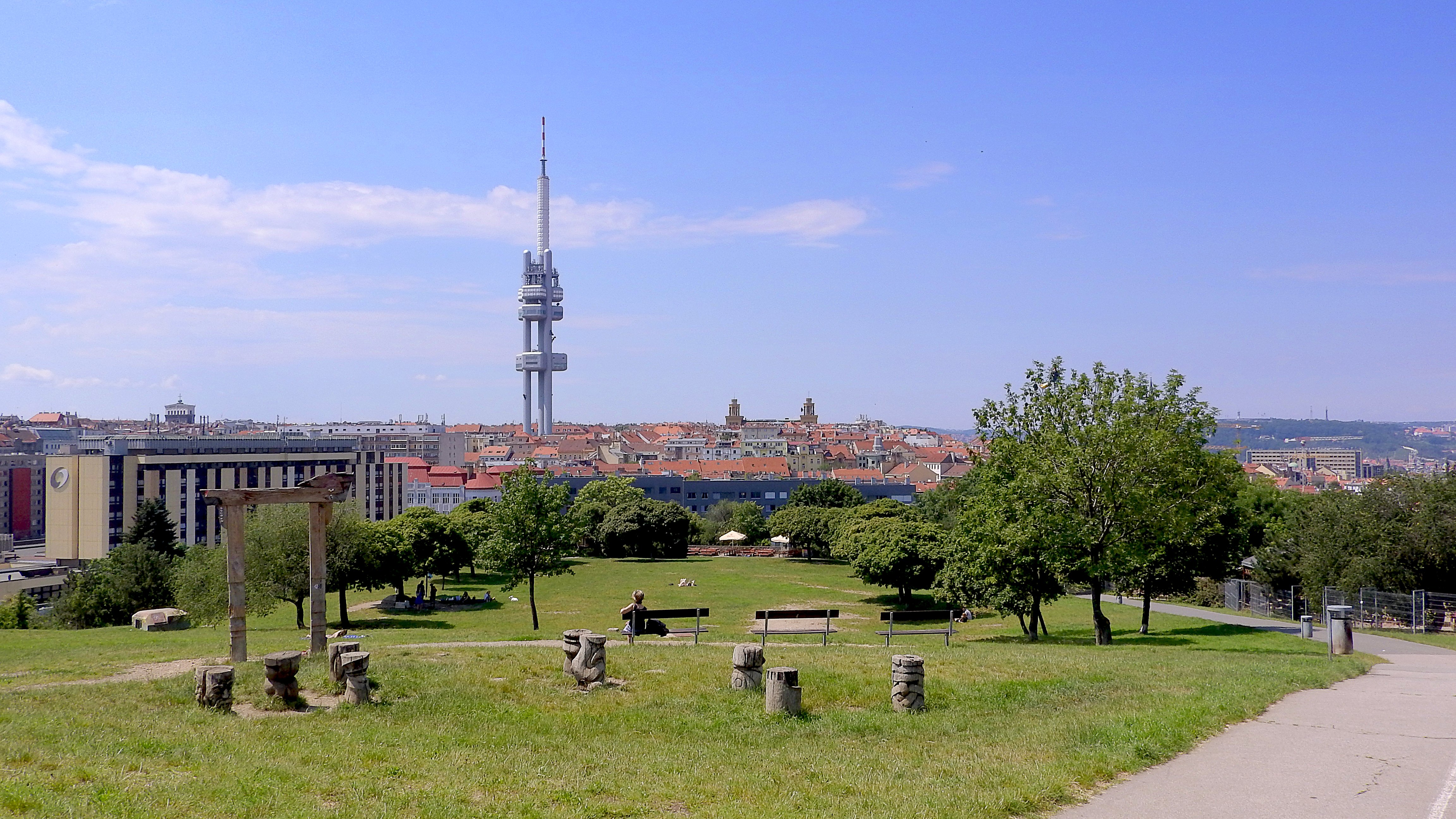
The hill of Petřín, reached by funicular from Malá Strana, has gardens, a mini Eiffel Tower, and views. The Vyšehrad fortress south of the centre is quieter, with the national cemetery where Dvořák and Smetana lie. East of the centre, leafy Vinohrady is where Praguers actually live, drink craft beer in Riegrovy Sady, and eat at neighbourhood bistros; downhill from there, scruffy Žižkov is the pub-crawl heartland under the brutalist TV tower with its crawling Černý babies.
Day trips from Prague reach Kutná Hora (a Gothic ossuary and silver-mining town), Karlštejn Castle, and Terezín — a World War II concentration camp turned memorial, 60 km north.