Bordeaux is a wine city. Not just because the surrounding vineyards produce some of the most celebrated bottles on earth, but because wine shapes the rhythm of life here — the restaurants, the economy, the landscape, the conversations. If you care about wine at all, this is a pilgrimage.
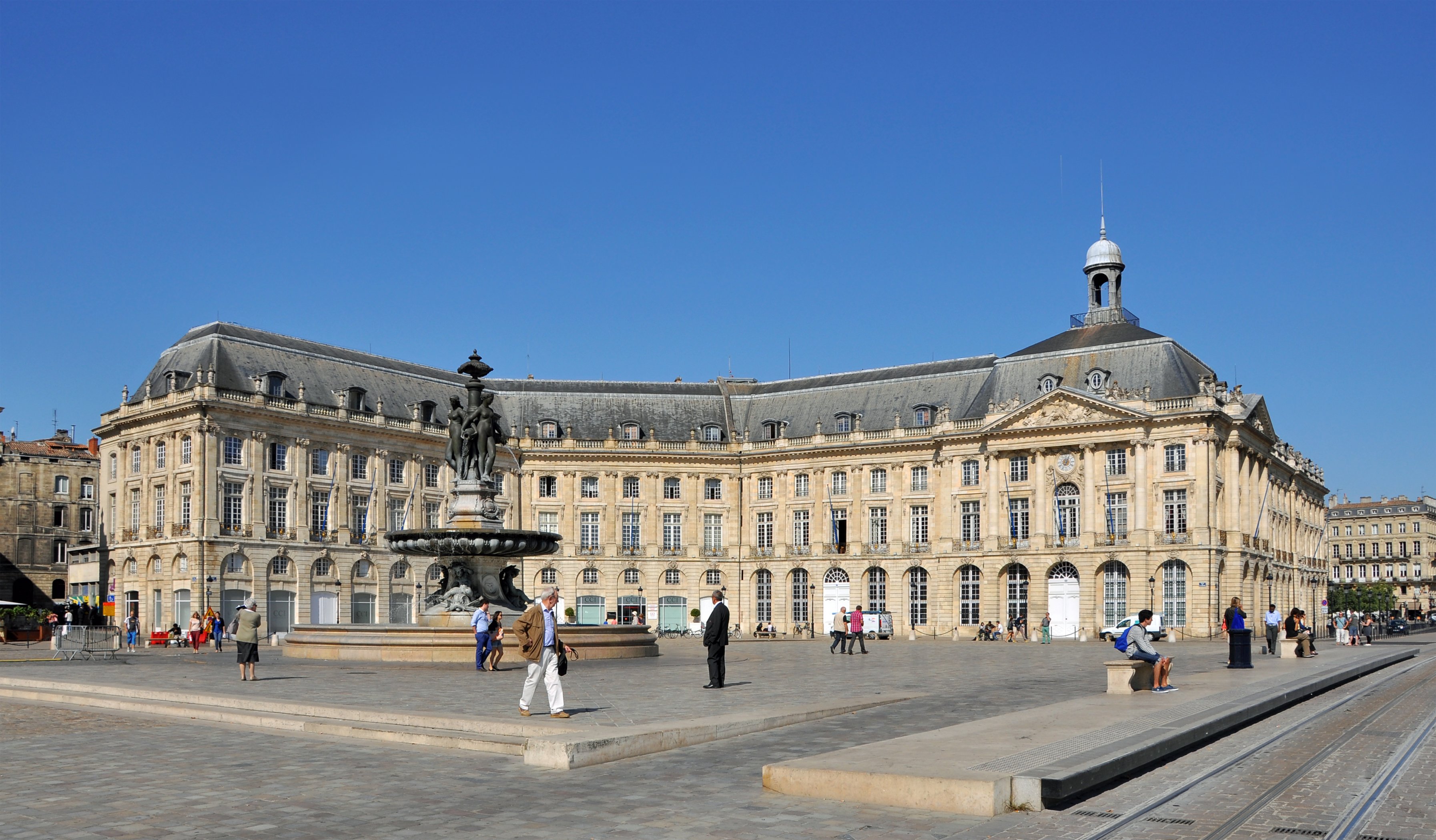
But Bordeaux would be worth visiting even without a single grape. The city centre is one of the finest ensembles of 18th-century architecture in France, a UNESCO World Heritage Site since 2007. Walk along the Garonne riverfront near the Quai de la Douane and you will see why — the golden limestone facades glow in the afternoon light, and the Miroir d'Eau reflecting pool in front of Place de la Bourse has become one of the most photographed spots in the country.
The city has reinvented itself over the past two decades. The tram system cleaned up the centre, the waterfront was transformed from industrial docks into a promenade, and the Cite du Vin — a striking modern wine museum on the river — gave Bordeaux a genuine cultural landmark. The old town around Rue Sainte-Catherine and Place du Parlement is lively and walkable, full of wine bars and restaurants that take their food as seriously as their cellars.
Bordeaux sits on the Garonne about 50 km from the Atlantic coast, making it a natural base for day trips to the Arcachon Bay, the Dune of Pilat, and the vineyard towns of Saint-Emilion and the Medoc. The TGV puts Paris three and a half hours away.