Huelgoat
©
Huelgoat

Huelgoat

Brittany forest village beside a lake, known for house-sized granite boulders and river-gorge trails.

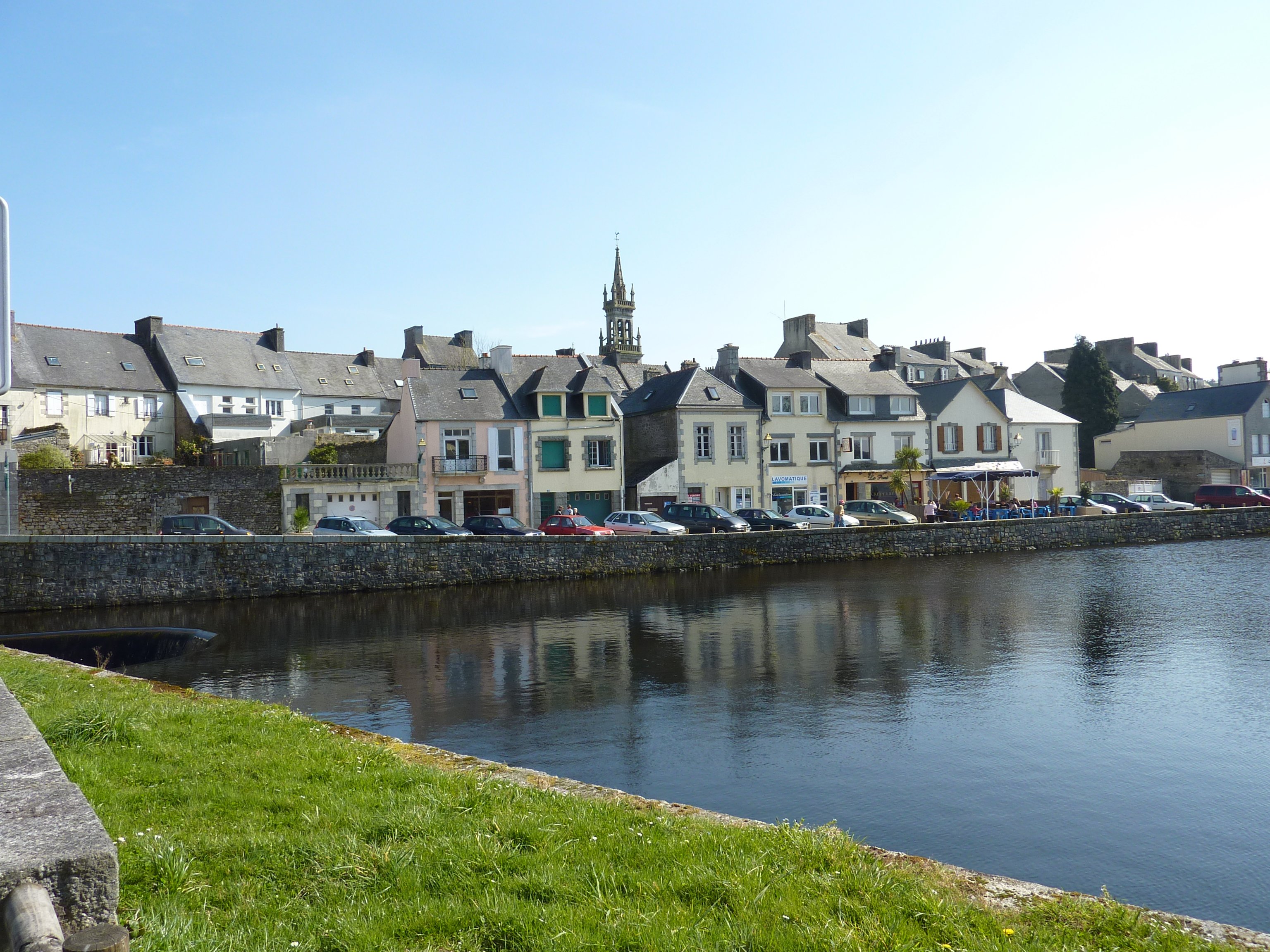
Many people think of Brittany exclusively for its coasts. That is a mistake, because parts of the interior are just as rewarding. Huelgoat is a delightful village on the edge of a lake, surrounded by one of Brittany's last remaining ancient forests.

The real draw is the extraordinary chaos of granite boulders in the forest, some the size of houses, piled together in dramatic formations along a river gorge. Walking trails wind past the Roche Tremblante (a 137-tonne boulder you can actually rock by pushing in the right spot), the Grotte du Diable, and the Mare aux Fées. Further into the forest, the paths lead to the Camp d'Artus, an Iron Age hillfort with ramparts still visible in the trees. It is a place where Arthurian legend feels plausible.

Huelgoat makes an excellent base for exploring inland Brittany — the Monts d'Arrée, the moorlands of the Parc Naturel Régional d'Armorique, and the quieter villages of Finistère are all within easy reach.

Guide

Getting There

Huelgoat is in the centre of Finistère, about 50 km from Brest and 80 km from Quimper. By car it is easily reached via the N12 (Brest–Rennes motorway) with a turnoff at Carhaix. There is no train station; the nearest is at Carhaix, from which buses run to Huelgoat.

The village sits on a lake, and the parking area by the lakeside is the obvious starting point for the forest walks. Most of the main attractions are within 3 km of the centre on foot.

Guide

Things to Do

The forest is the reason to come to Huelgoat. Walking trails thread through the boulder chaos, past rock formations with names that have stuck for centuries, and out into the wider Armorique moorland beyond. The main circuit through the rocks takes about two hours at a comfortable pace; longer routes push out to the Camp d'Artus hillfort and back through the forest.

The Artichaut gallery and workshops, a few kilometres outside town, offers pottery, felt-making, basket-weaving, and other craft courses in a rural setting — worth knowing about if the weather turns grey, which in Finistère it sometimes does.