Small Fejér wine town known for Ezerjó whites and hillside cellar rows near Budapest
Mór is a small Hungarian wine town in the Fejér county foothills, about 70 km southwest of Budapest. It has been producing white wines — particularly from the Ezerjó grape — for centuries, and the local cellars (pincék) are the main reason to visit. The pace is slow and genuinely local; you'll encounter few tourists.
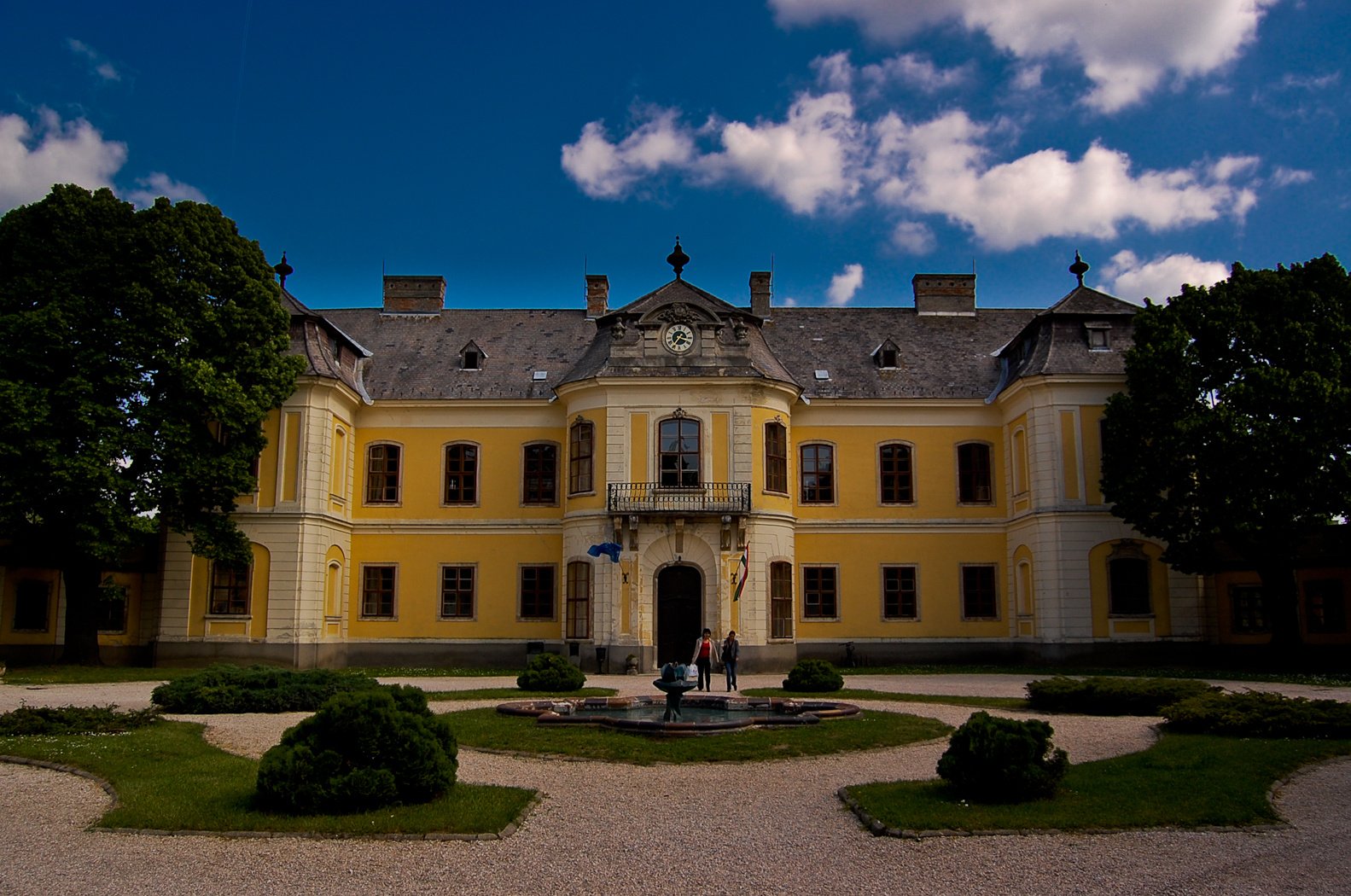
Wandering the streets leads you to the pincék scattered across the hillsides. Each cellar has its own character, and most welcome visitors for a tasting. A favourite experience is sipping wine inside a barrel room — some cellars have repurposed giant casks as seating. Climb to the top of the vineyarded hill for a view over the whole town. The baroque Lamberg Castle anchors the small main square, and the wooded park behind it is the obvious place to recover between tastings.
The local cemetery is worth a visit: the care given to individual plots, with raised flower gardens at each one, says a lot about the town's character. North of town, an obelisk marks the Battle of Mór, where the Hungarian army was routed by Austrian forces in 1848.
Guide
Getting There
Mór sits on the railway line between Komárom and Székesfehérvár, with several direct trains a day from each. From Budapest, the journey usually requires a change at Székesfehérvár and takes around two hours. The station is on the western edge of town, a fifteen-minute walk to the main square.
By car it is straightforward — about seventy kilometres from Budapest on the M1 motorway, then south on Route 81. Parking is easy and free almost everywhere in town. If you are doing a cellar circuit, a designated driver is the only sensible option; there is no taxi service to speak of after dark.
Guide
When to Go
The best time to visit Mór is late summer and autumn, when the vineyards are heavy and the cellars are busy with the new vintage. Harvest usually runs from mid-September into October, and the Bornapok (Wine Days) festival in late August or early September is the town's main event — a long weekend of music, food stalls, and free pours in the courtyards.
In winter the cellars close early and the town goes quiet, though a few of the larger producers still take visitors by appointment. Spring is pretty but unreliable for weather. Avoid Mondays year-round: most cellars are shut.