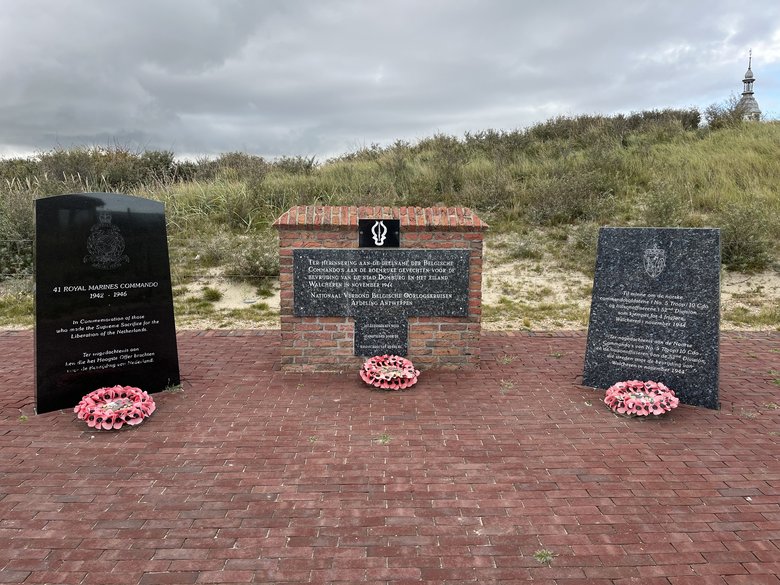
Domburg is a small seaside resort on the coast of Walcheren in the province of Zeeland, and one of the oldest beach destinations in the Netherlands. People have been coming here to bathe since the early nineteenth century, and the town has a refined, slightly old-fashioned charm that sets it apart from the livelier resorts further north.
The beach is wide and sandy, backed by dunes, and the light here is exceptional — something that attracted painters including Piet Mondrian, who spent productive summers in Domburg in the early 1900s and whose work was transformed by the sea and sky he found here. The Marie Tak van Poortvliet Museum, housed in a former summer pavilion in the dunes, documents the artistic colony that formed around Domburg and is well worth a visit.
The town centre is small and walkable, with a few good restaurants, cafes, and shops along the Markt and the main street. The De Manteling dune woodland between Domburg and Oostkapelle offers excellent walking and cycling, and Terra Maris, the museum for Zeeland's natural landscape, occupies the former orangery of the medieval Kasteel Westhove at the forest's edge. Domburg is at its best in late spring and early autumn, when the beaches are uncrowded and the light is at its most painterly. It is easily reached by car or bus from Middelburg, the provincial capital, about 15 kilometres inland.