Miercurea Ciuc
©
Miercurea Ciuc

Miercurea Ciuc

Transylvanian city in the Székely heartland, surrounded by eastern Carpathian mountains and valleys.

Miercurea Ciuc is the capital of Harghita county in the eastern Carpathians, deep in the Székely heartland of Transylvania. The population is overwhelmingly Hungarian-speaking, and the town has a distinctly different feel from the rest of Romania — the signs are bilingual, the food leans towards Hungarian, and the cultural identity is fiercely Székely.

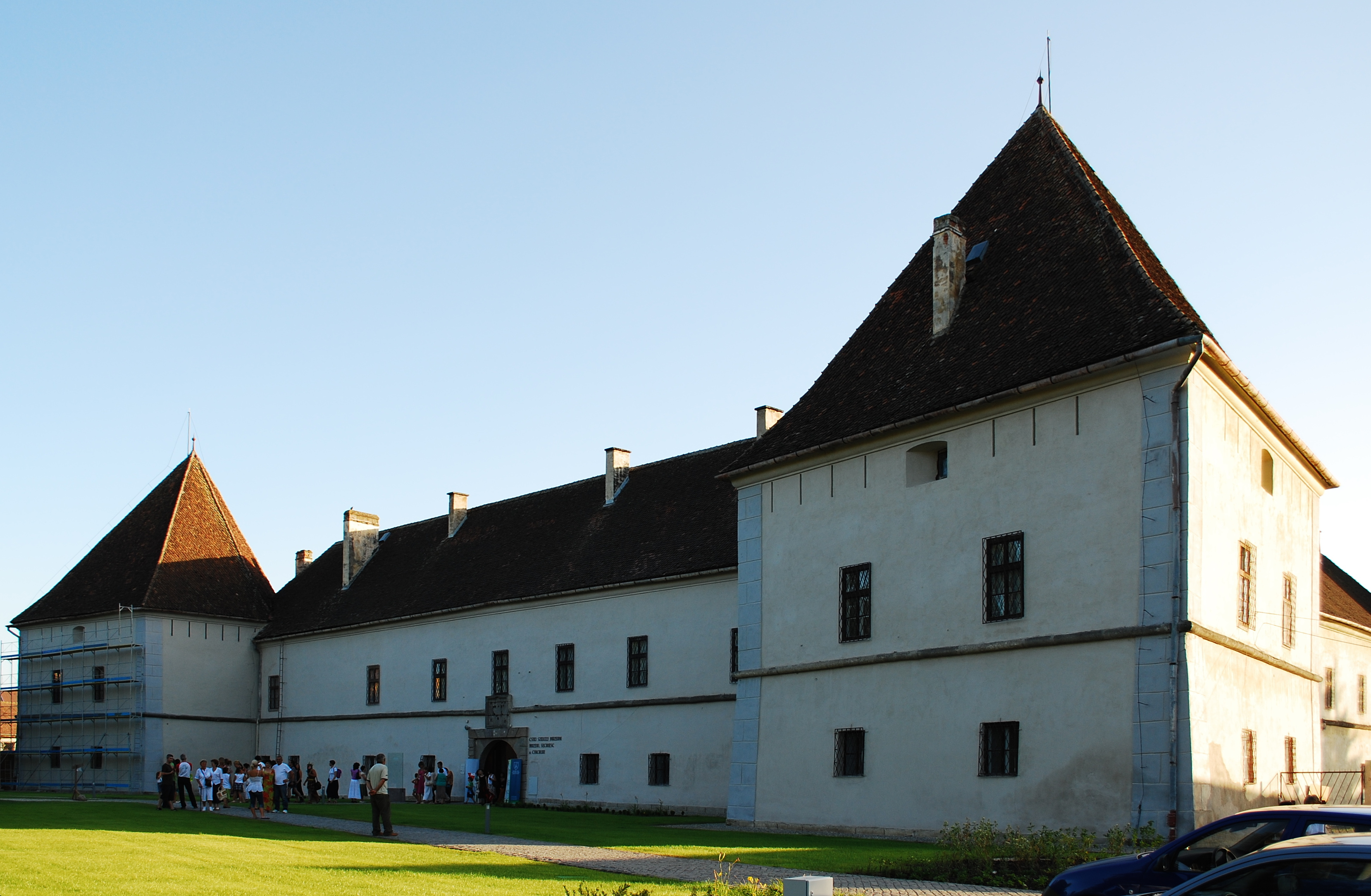
The town sits in a broad valley surrounded by forested mountains. The Mikó Castle, a seventeenth-century fortress in the centre, now houses the Székely Museum of Csík with collections on local history and ethnography. Miercurea Ciuc is best known in Romania as the home of Csíki Sör, one of the country's best craft breweries, and for its role in the annual Csíksomlyó Pentecost pilgrimage — one of the largest Catholic gatherings in Central Europe, held at the Șumuleu Ciuc shrine just outside town. The surrounding mountains offer good hiking and skiing in winter, with Harghita Băi a short drive away.

Guide

Day Trips

The mountains around Miercurea Ciuc are the real reward for anyone with a car. The closest and easiest escape is Harghita Băi, a low-key spa and ski resort in the volcanic Harghita range about 45 minutes west of town — beginner ski lifts and snowshoe trails in winter, forest walks and an open-air mineral pool in summer. Beyond it, the wider Harghita ridge and the quiet Hășmaș range offer marked trails through pine forest and old volcanic craters, while the Csík Basin spreads out below with its scattered Székely villages and fortified churches.

Guide

Eating Out

Food in Miercurea Ciuc is firmly Székely, which means closer to Hungarian than to Romanian cooking: heavy on meat, paprika, sour cream, and stuffed cabbage. The cooking is hearty rather than refined; portions are generous.

San Gennaro near the centre is the long-running favourite for Italian — wood-fired pizza, decent pasta, a quiet courtyard in summer.

Borsika Étterem does proper Székely cuisine: paprika-rich pork stews (pörkölt), stuffed cabbage rolls (töltött káposzta), and the obligatory chimney cake (kürtős kalács) for dessert. Atmosphere is folksy in a sincere way.

Csíki Söröző, a brewpub on Piața Libertății, pours Csíki Sör on tap with grilled meats, pretzels, and salads. The terrace in summer is one of the better evening spots in town.

Két Szarvas does upscale modern takes on Hungarian and central-European cooking — game dishes, duck, lamb with sour cherries — in a more polished dining room. Reservations advised in season.

For something light, the bakeries around the central square sell warm kürtős kalács and pogácsa savoury cheese scones for almost nothing — the best snack between visits.

Guide

Getting There

Miercurea Ciuc sits on the main Brașov–Suceava railway line, with several daily trains to Brașov (about three hours), Bucharest (around six hours), and northwards to Bicaz and Suceava. The train station is a 15-minute walk south of the centre.

By road, the town is on European route E578 and is about two and a half hours from Brașov by car. Long-distance buses (microbuze) connect with Sibiu, Cluj-Napoca, Târgu Mureș, and Sfântu Gheorghe several times daily.

The nearest international airport is Târgu Mureș (TGM), about three hours west by car; Cluj-Napoca and Sibiu airports are similar in driving time. A rental car opens up the surrounding Csík Basin and is the easiest way to combine Miercurea Ciuc with the Lacul Roșu and Bicaz Gorge to the north.

Guide

Things to Do

Mikó Castle in the centre is the architectural anchor — a 17th-century Renaissance fortress now housing the Székely Museum of Csík. The Șumuleu Ciuc Shrine on the northern edge of town is the other obligatory stop and one of Central Europe's most important Catholic pilgrimage sites, especially around Whitsun.

Beyond those two, the town itself is pleasant rather than packed with sights — the main square, the Csíki Sör brewery tour, and a drive up to the Harghita Băi mountain resort for hiking or skiing fill out a full day. The surrounding forested mountains are the real draw if you have a car — the Csík Basin and the Hășmaș range are quiet and full of marked trails.

Guide

When to Go

The Whitsun pilgrimage at Șumuleu Ciuc on the Saturday before Pentecost (late May or early June) is the biggest event of the year, drawing several hundred thousand pilgrims to the hillside above town. It is an extraordinary spectacle, especially the candlelit night vigil — but accommodation books out a year in advance and prices spike. If you want to attend, plan well ahead; if you want a calmer visit, avoid that weekend.

Outside Whitsun, late May to early September is the best general window — warm, hikeable, and with long daylight in the surrounding mountains. Summers are mild thanks to the altitude (Miercurea Ciuc sits at around 660 metres). Winter is genuinely cold — the town frequently records some of the lowest temperatures in Romania, occasionally below minus 30 — and the ski resorts open from late December through March. Autumn brings excellent foliage colours in the Harghita forests and is a quietly underrated time to visit.