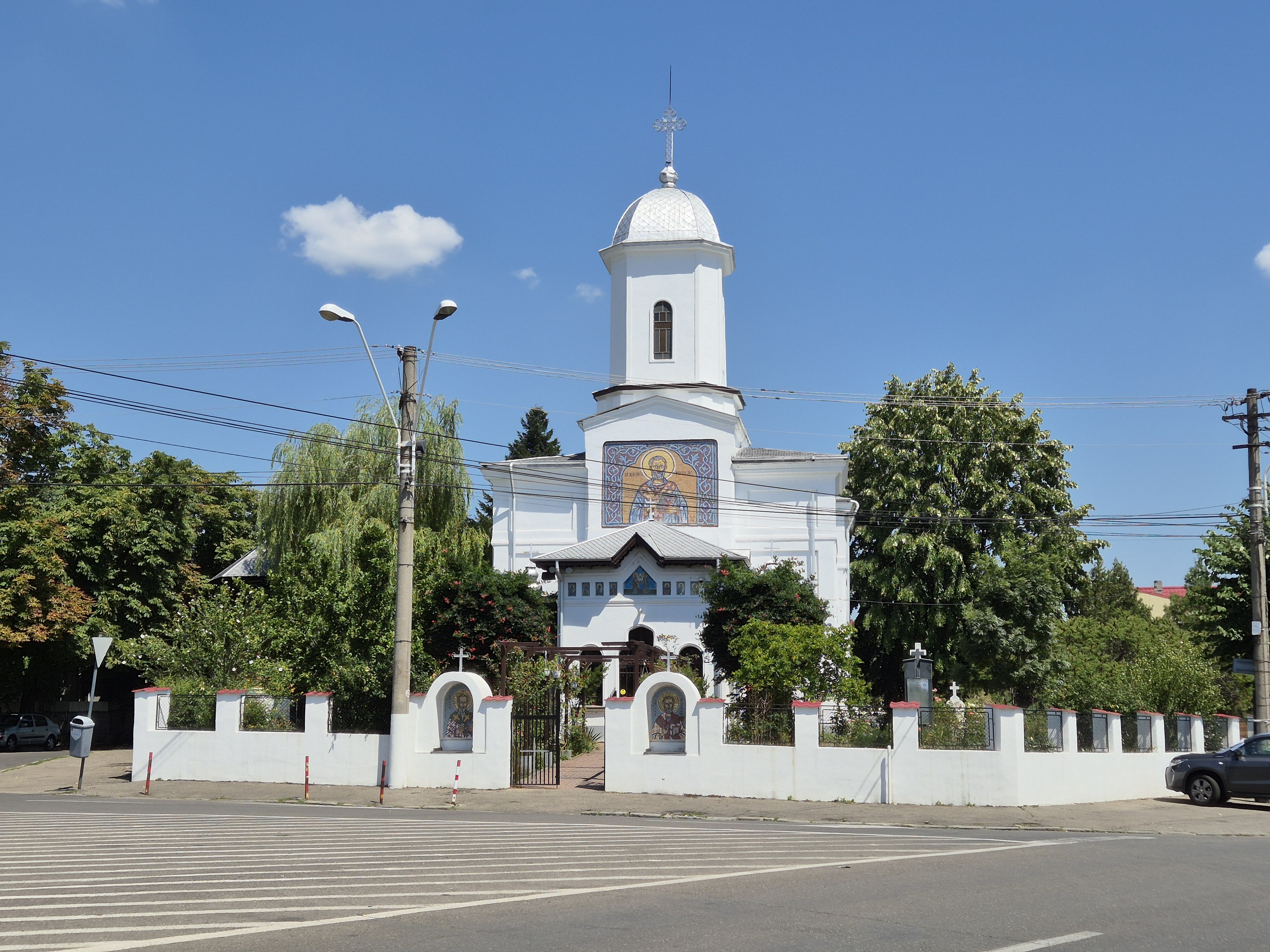
Ploiești has been synonymous with oil since the mid-19th century, when Romania became one of the world's first petroleum-producing nations. The city's refineries made it a strategic target in both World Wars -- the 1943 American bombing raid, Operation Tidal Wave, was one of the costliest air operations of the conflict. That industrial heritage still shapes the city's character, though modern Ploiești is working to diversify beyond petrochemicals.
The city centre has a few pleasant surprises. The Muzeul Ceasului, housed in a 19th-century merchant's house, holds an unexpectedly excellent collection of over 1,200 timepieces from across Europe. The Muzeul Petrolului traces the local petroleum story with vintage equipment and photographs, including coverage of the devastating 1943 American bombing raids. The Halele Centrale, the central market hall, is the best place to get a feel for daily life and pick up local cheeses and cured meats. The Prahova County Art Museum on Independenței Boulevard holds a solid collection of Romanian 19th and 20th century painting.
For most travellers, Ploiești functions as a gateway to the Prahova Valley, Romania's most popular mountain resort corridor. Sinaia, Bușteni, and Predeal are all less than an hour to the north by train, and the Bucegi Mountains offer some of the country's best hiking. If you have a car, the city also provides easy access to the wine regions around Dealu Mare, where you can taste Romanian reds that rarely make it to export markets.