Žilina is the main city of northwestern Slovakia, set in a valley where the Váh and Kysuca rivers meet, with the Beskydy mountains visible on the eastern horizon. With around 80,000 people, it's Slovakia's third-largest city — a regional industrial and university centre that sees relatively few foreign visitors.
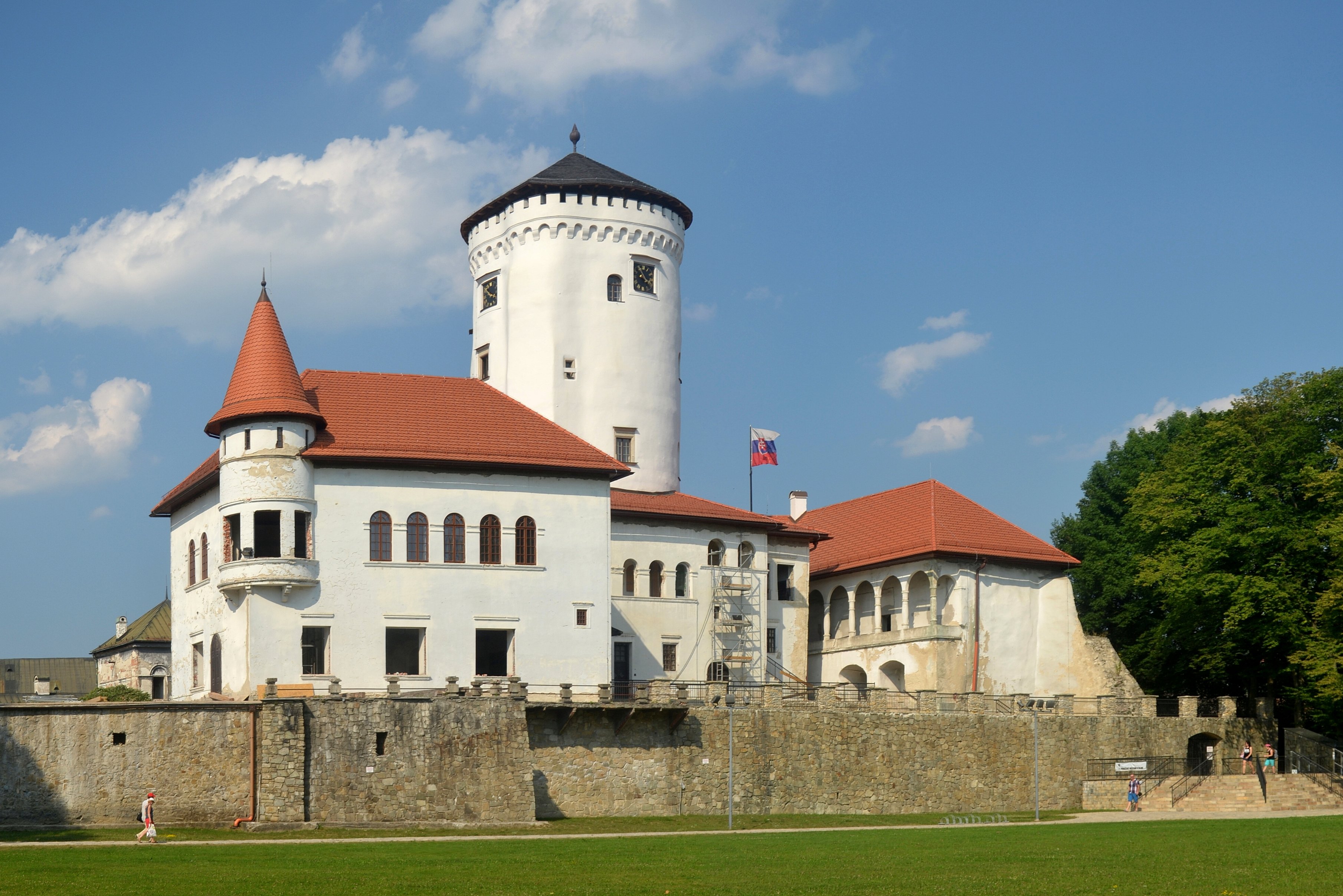
The historic centre is anchored by Mariánske námestie (Marian Square), a well-preserved arcaded Renaissance square that dates mainly from the 16th century. The Holy Trinity Cathedral anchors one end of the square with its distinctive freestanding Baroque tower. Just off the main square, the New Synagogue, designed in 1929 by Peter Behrens — the Modernist master who mentored Gropius, Mies van der Rohe, and Le Corbusier — is one of the architecturally significant buildings in the region, and one of the most sobering, given the near-total destruction of the community it served. The nearby Budatín Castle, at the confluence of the rivers, is the city's most distinctive landmark and houses a regional museum.
Žilina is a practical base for the surrounding region: Malá Fatra national park is 15 kilometres east, with excellent hiking and skiing. The castles of Strečno and Starhrad, perched dramatically above the Váh gorge, are worth a half-day trip. The Church of Saint Stephen the King in the Závodie district is the oldest building in the city, a 12th-century Romanesque church that predates the town's medieval growth.