Gaucin
©
Gaucin

Gaucin

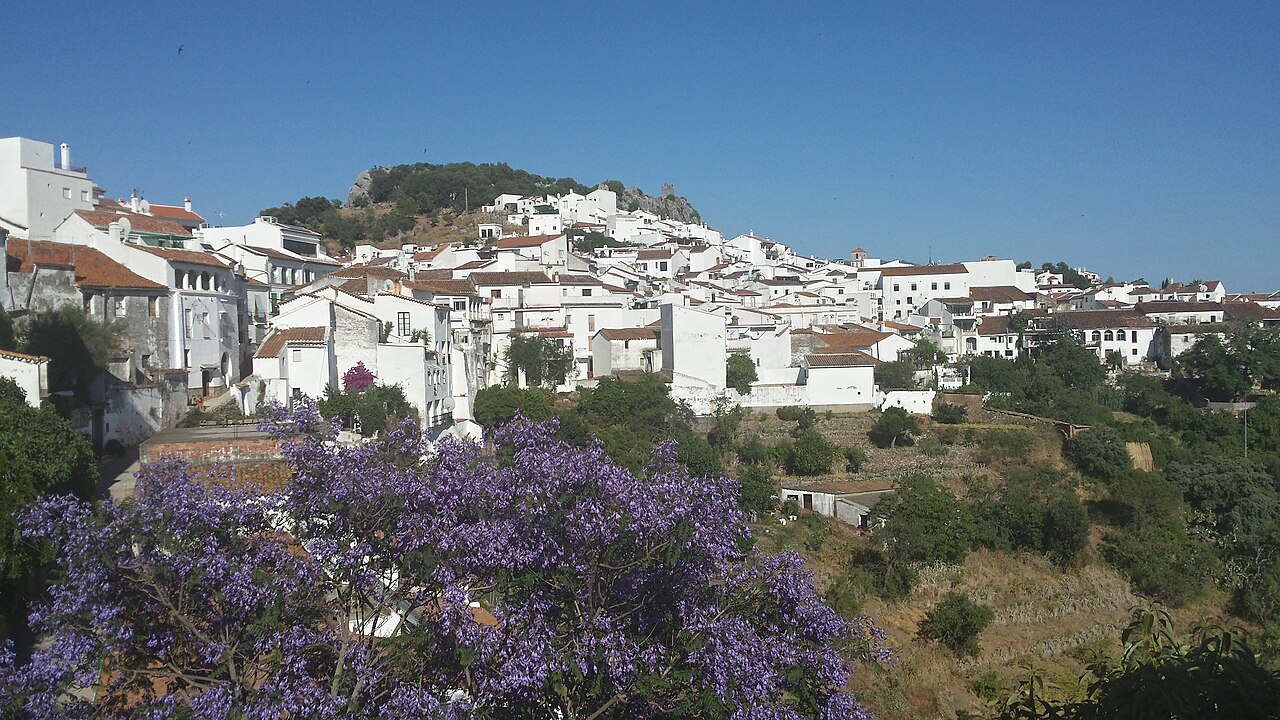
Andalucian hilltop village with whitewashed lanes and clear-day views to Gibraltar and Morocco

Gaucin is a white hilltop village in the mountains between Ronda and the coast, with views that on a clear day stretch all the way to the Straits of Gibraltar and the Moroccan coast beyond. It is one of the most beautifully situated of Andalucia's pueblos blancos.

The Castillo de Gaucin at the top of the hill is worth the climb. Below it, the village is a tangle of narrow streets, whitewashed houses and bougainvillea, with a handful of bars on the small plaza. The area is excellent walking country, and the 13-kilometre walk uphill from the train station at El Colmenar is a rewarding introduction to the landscape. Buses also go directly to the village.

Nearby, the prehistoric Cueva de la Pileta — on the road between Gaucin and Ronda — contains remarkable cave paintings of animals dating from around 25,000 BC. The one-hour tour is in Spanish and visitors carry their own lanterns through the caverns. It can be chilly underground, so bring a layer.

Guide

Bars and Cafes

The social life of Gaucín concentrates around the small central plaza and the handful of bars that face it. In the mornings these serve coffee and tostadas to villagers; by early evening they fill up for the paseo, with locals occupying the outdoor tables. Beer, wine, and tinto de verano flow cheaply. The expat community that has settled in the village has brought one or two slightly more polished spots alongside the traditional bodegas, but the atmosphere remains resolutely local.

Guide

Day Trips

Gaucín's position between Ronda and the coast puts it within reach of several worthwhile destinations.

Ronda is the most obvious excursion — about 45 minutes by car on the A-369. The dramatic gorge, the old bullring, and the Moorish old town make it the most visited town in the Serrania de Ronda. Go early; it draws large tour groups by mid-morning.

The white villages of the Sierra de Grazalema — Grazalema, Zahara de la Sierra, Olvera — form a natural circuit northwest of Gaucín and can be covered in a day's driving. The natural park around Grazalema is excellent walking country and is one of the wettest spots in Spain, which explains its lush vegetation and dramatic limestone scenery.

South toward the coast, Casares is a striking pueblo blanco perched on a cliff, closer to the sea and often quieter than the better-known villages. Gibraltar is about an hour's drive and worth half a day — the cable car to the top, the Barbary macaques, the tunnels, and the views across the Strait.

The Cueva de la Pileta, with its 25,000-year-old cave paintings, is only 15 kilometres away on the Ronda road and makes a natural half-day from the village — combine it with a visit to Ronda.

Guide

Eating Out

Gaucín has only a handful of places to eat, and the options rotate as village restaurants open and close. The best food is often found at the bar-restaurants on and around the main plaza, where a simple menu del día is served at lunchtime. Andalucian staples dominate: salmorejo, grilled pork, local cheese. Dinner is a quieter affair — the village slows down early — so eat on the early side or ask at your accommodation where is open that evening.

Guide

Getting Around

Gaucín is a small village and everything within it is reached on foot — the streets are too narrow for cars in any case, and parking is on the outskirts. The castle at the top and the plaza at the centre are a few minutes' walk from anywhere in the village.

For the surrounding countryside, a car is almost essential. The Cueva de la Pileta is about 15 kilometres away on the road to Ronda; there is no public transport to the cave. Walking trails begin from the village itself — routes into the Serrania de Ronda are well-marked — but returning from any distance requires either a long walk back or a car waiting. Taxis can be arranged through accommodation in the village, but there is no rank and supply is limited; arrange in advance if you need one.

Guide

Getting There

Gaucin sits above a train station — El Colmenar (also called Gaucin-El Colmenar) — on the Algeciras-Bobadilla line, with services connecting to Algeciras and Ronda. From the station it's a 13-kilometre uphill walk to the village, or you can arrange a taxi in advance; note the station is relatively unmanned and has no taxi rank waiting. Buses also serve the village directly from Algeciras and Ronda, though services are infrequent. By car, Gaucin is about 30 kilometres north of Algeciras on the A-377 and A-369.

Guide

Things to Do

Gaucin is a small village, and its pleasures are accordingly modest: a ruined castle, narrow streets, walking country, and views that stretch to Morocco on a clear day. For serious cave painting enthusiasts, the Cueva de la Pileta nearby is one of the finest prehistoric sites in Spain.

Guide

When to Go

Spring (March to May) is the finest time to visit Gaucín. The hillsides are green from winter rain, the wildflowers are out across the Serrania de Ronda, and the temperatures are comfortable for walking — warm in the village, fresh at altitude. Spring also brings the best birdwatching: Gaucín sits on one of Europe's great raptor migration corridors, and in April and May the skies above the village fill with honey buzzards, black kites, short-toed eagles, and Egyptian vultures crossing the Strait of Gibraltar.

Autumn (September to November) offers a similar combination of decent walking weather and a second migration season — though less spectacular than spring — with the added advantage of far fewer visitors on the roads between here and the coast.

Summer in Gaucín is hot but moderated by altitude; the village sits at around 600 metres and is noticeably cooler than the coast. The village quiets further in August as Spanish families head to the beach. Winter is mild and frequently sunny, though the mountains catch rain and cloud — the views to Morocco that justify the trip can vanish for days at a time.

whitevillages