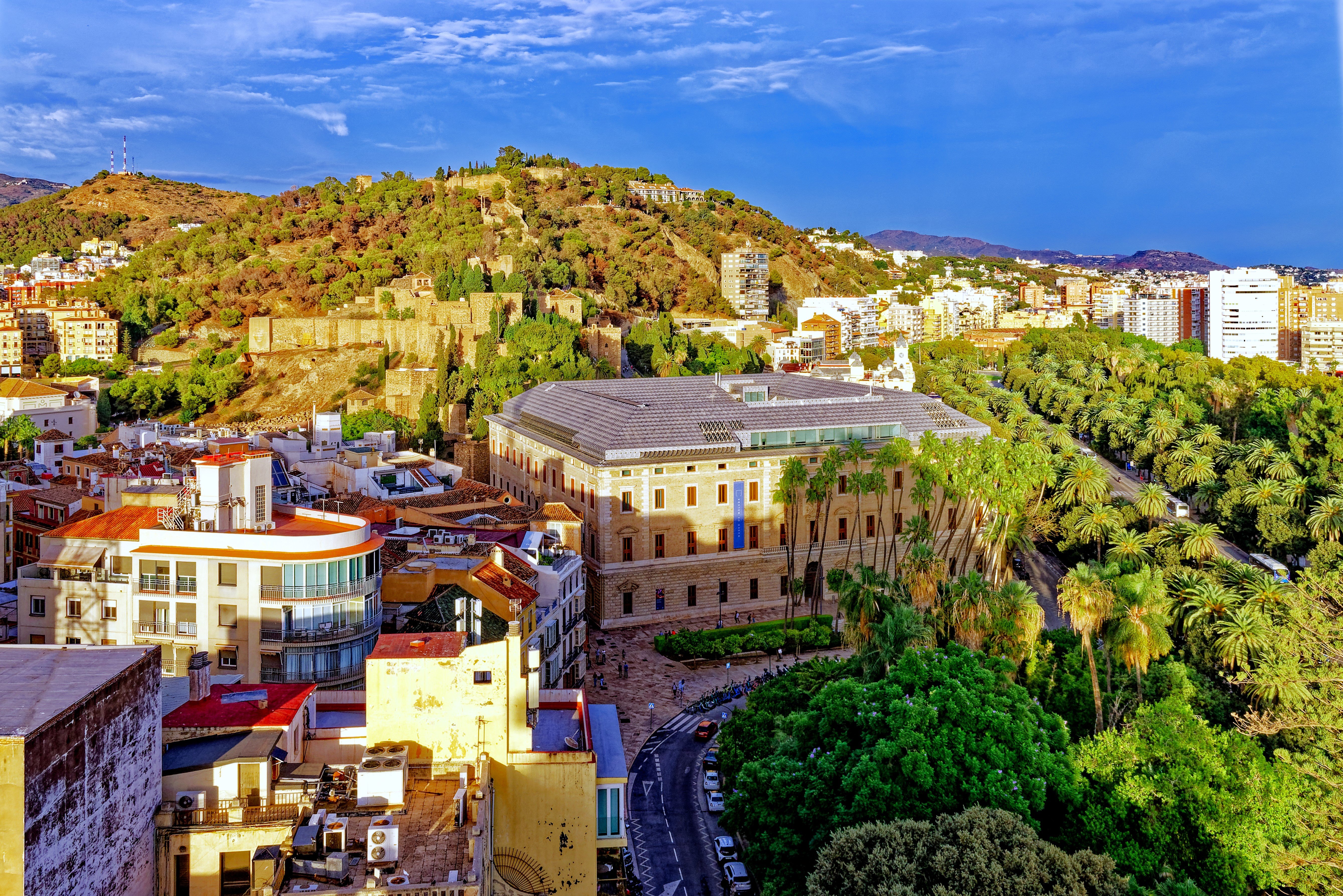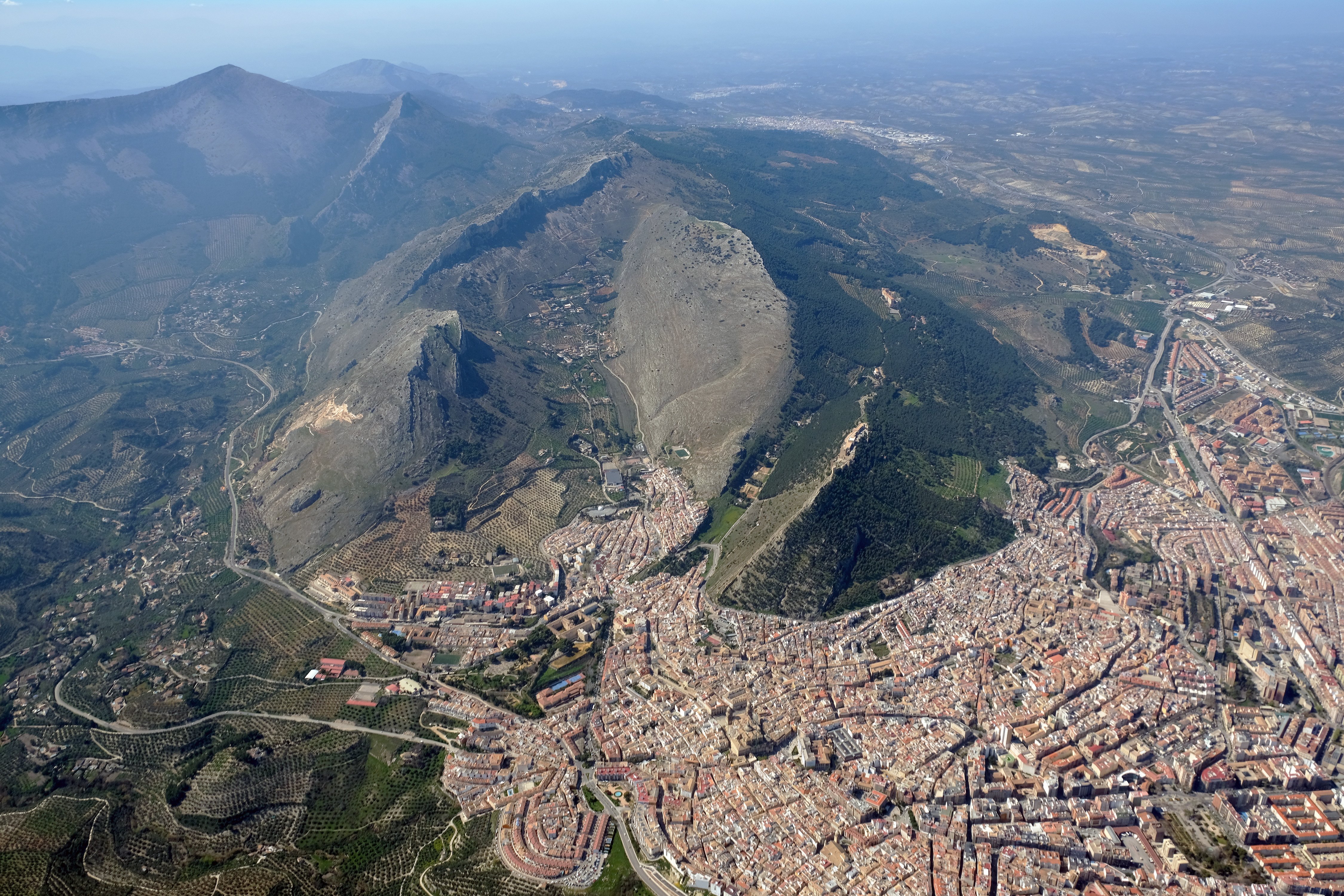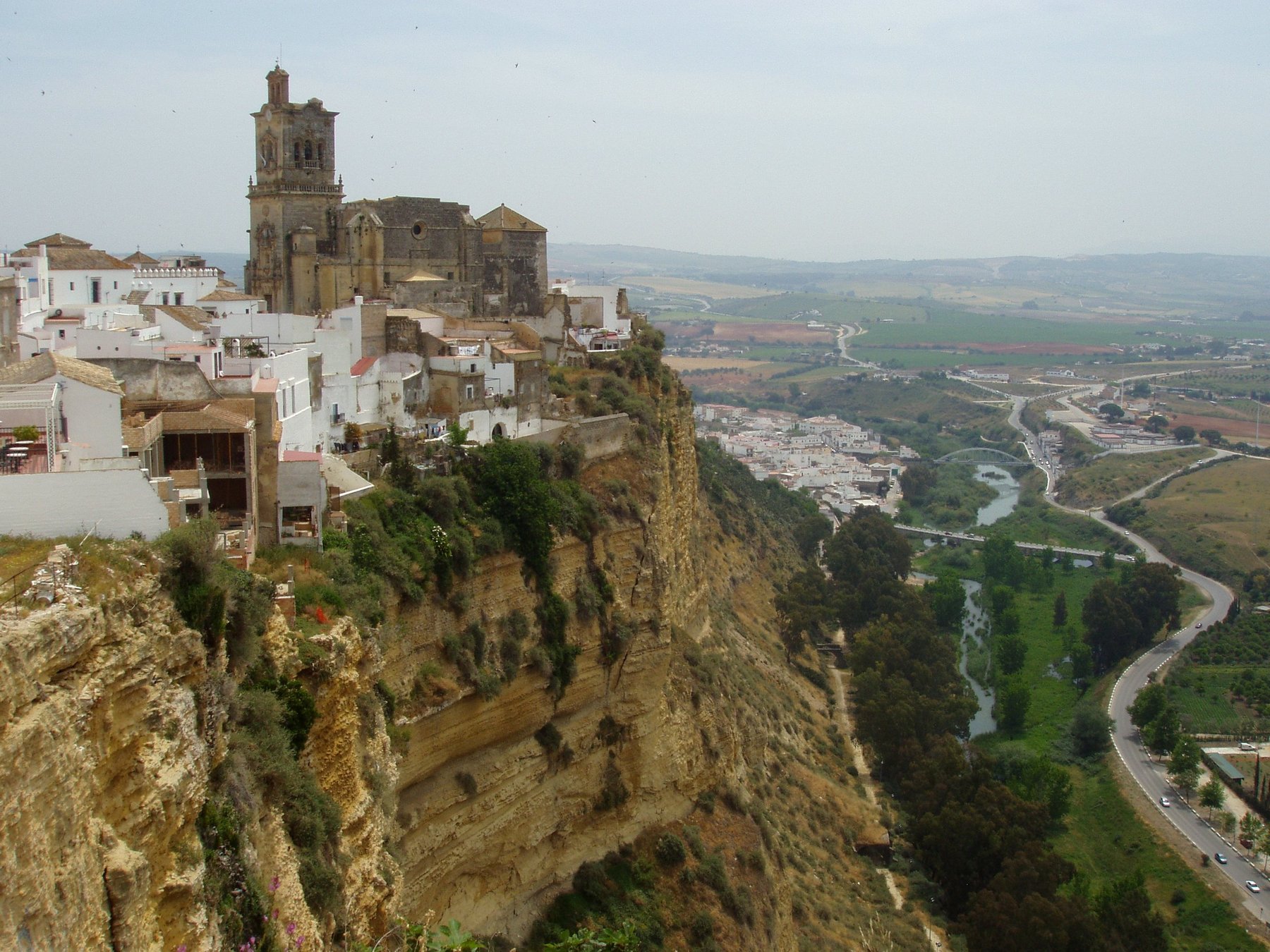
Andalucia is the Spain people picture when they haven't been: whitewashed villages stacked on rocky hillsides, flamenco rhythms drifting from bars, the smell of orange blossom, and the ghost of eight centuries of Moorish civilisation layered over everything. This is Spain's largest and arguably most dramatic region, stretching from the Atlantic coast at Cádiz all the way east to Almería's near-desert landscapes.
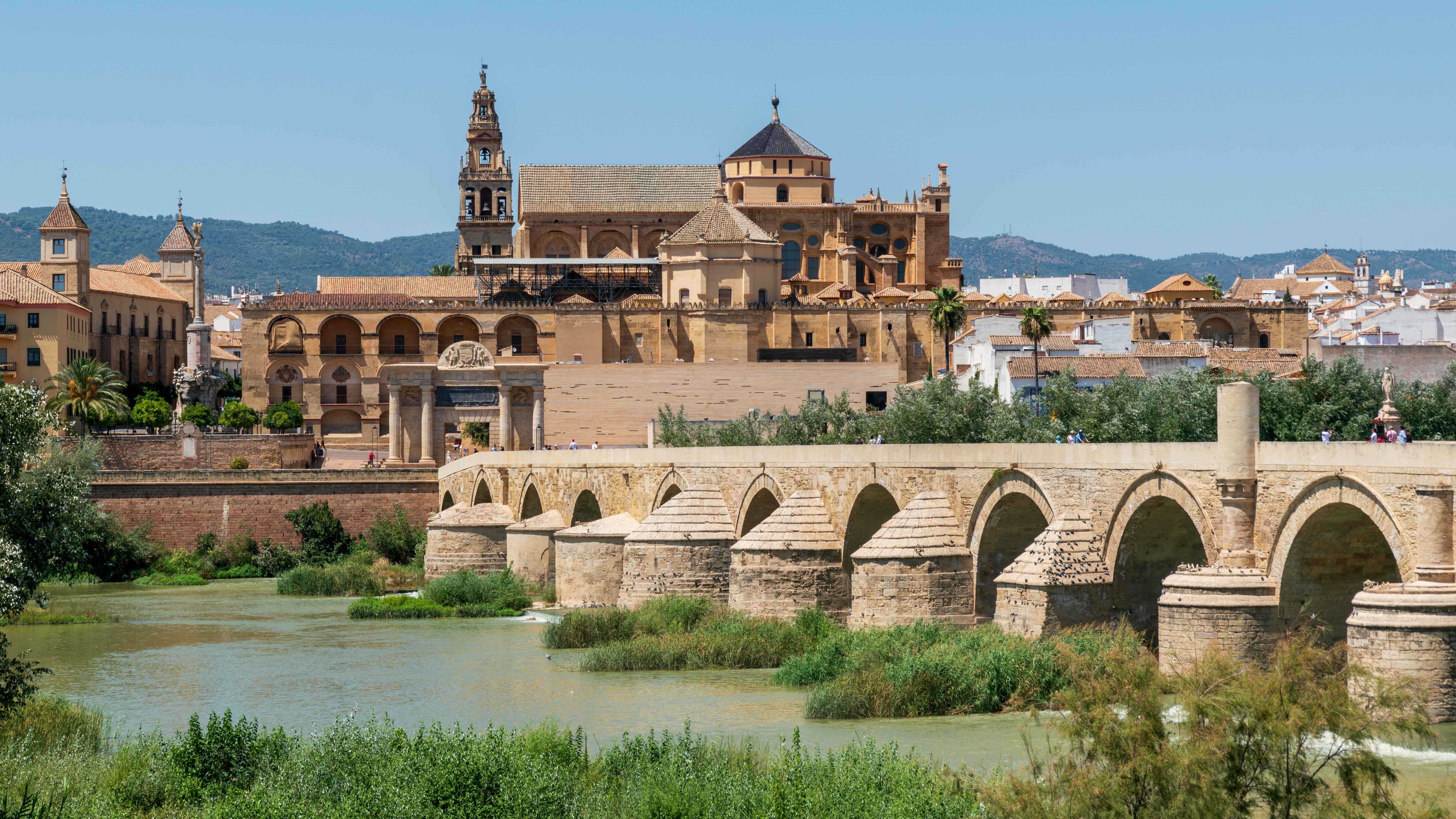
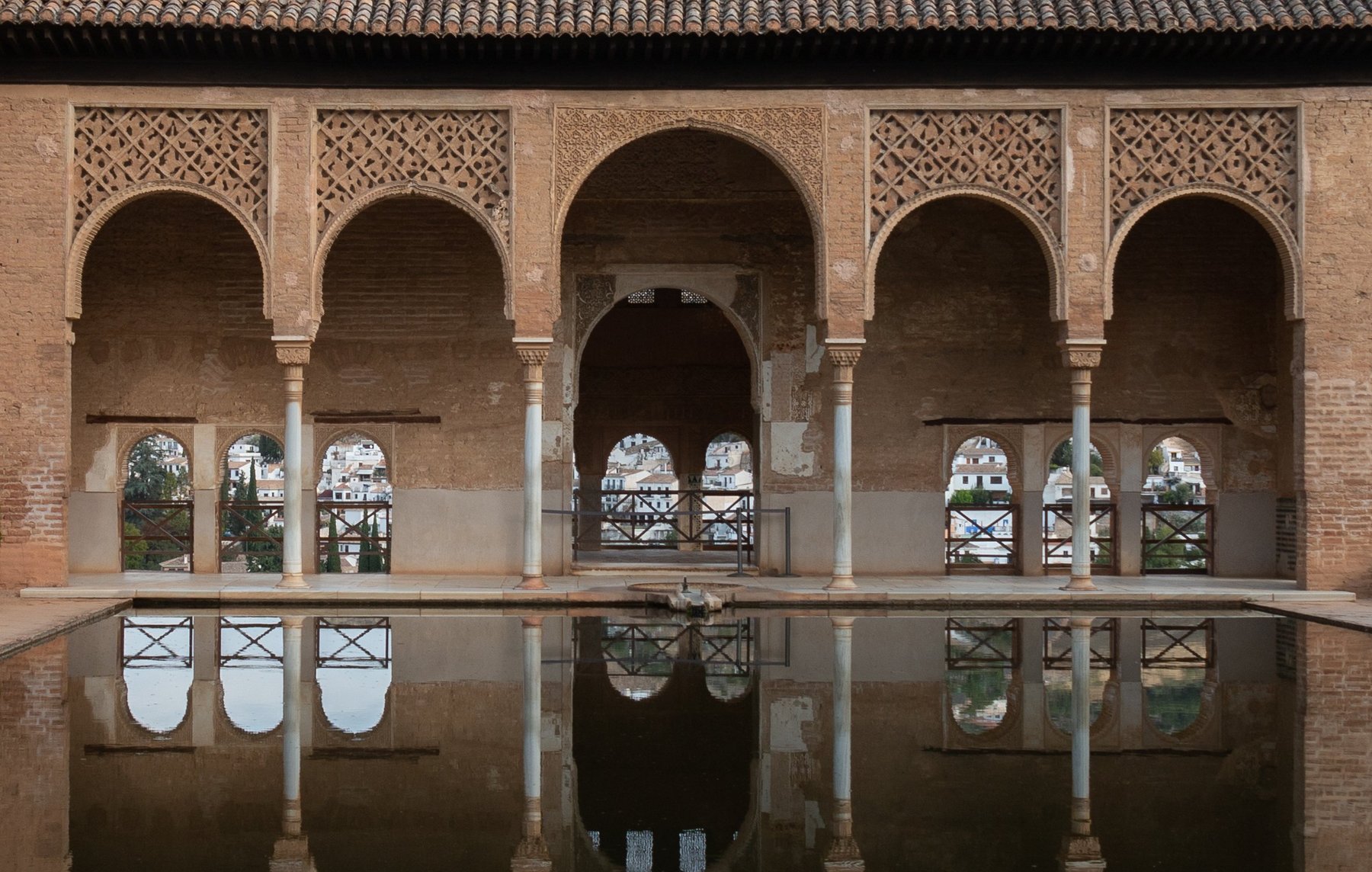
The Moorish legacy is what sets Andalucia apart from the rest of Spain. Granada's Alhambra is the most sensual palace complex in Europe — a city-within-a-city of carved stucco, reflecting pools and scented gardens. Córdoba's Mezquita, a cathedral improbably inserted into a working mosque, captures the collision of cultures that defines the region. Seville has the energy and the monuments to fill a week on its own.
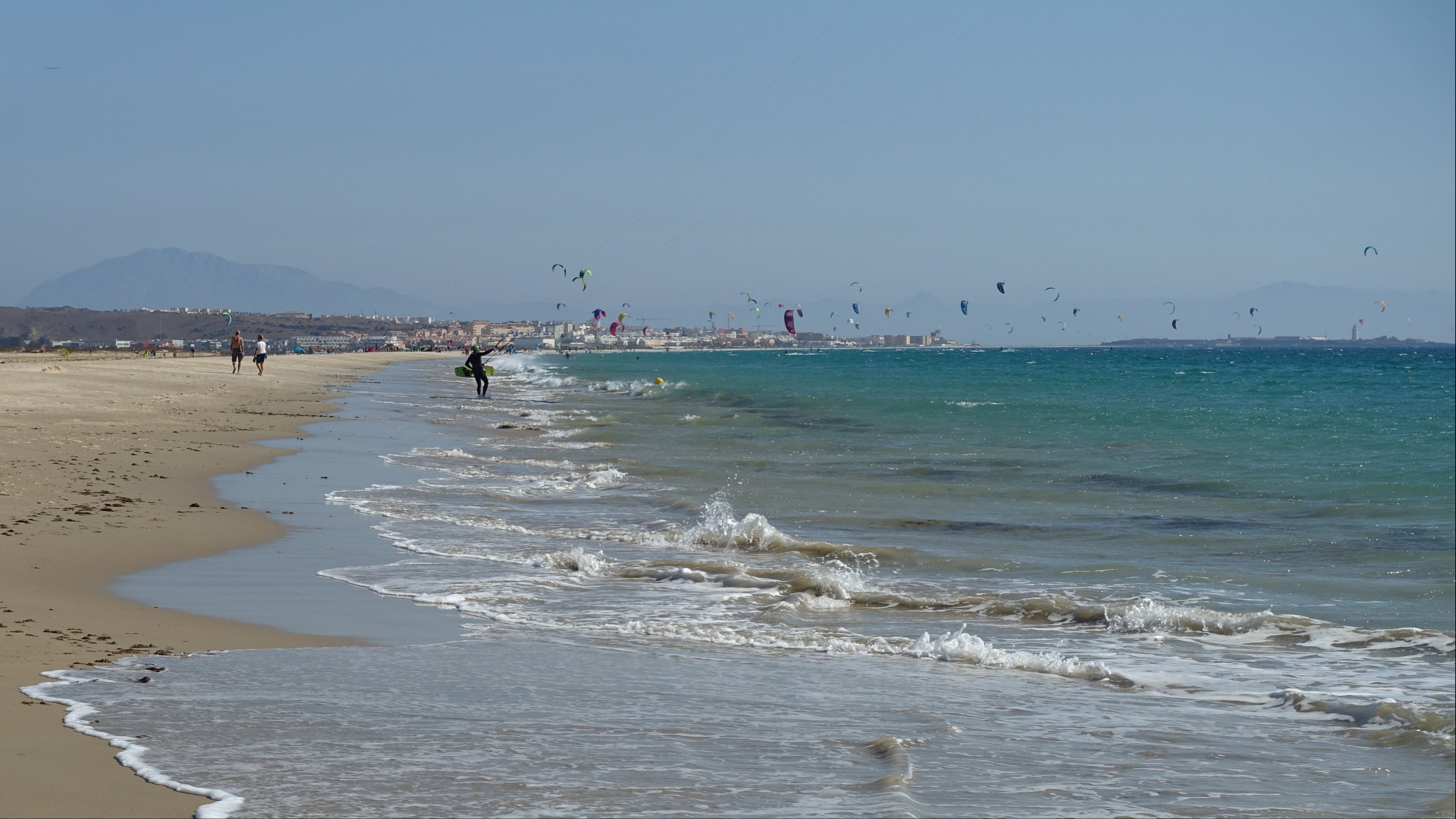
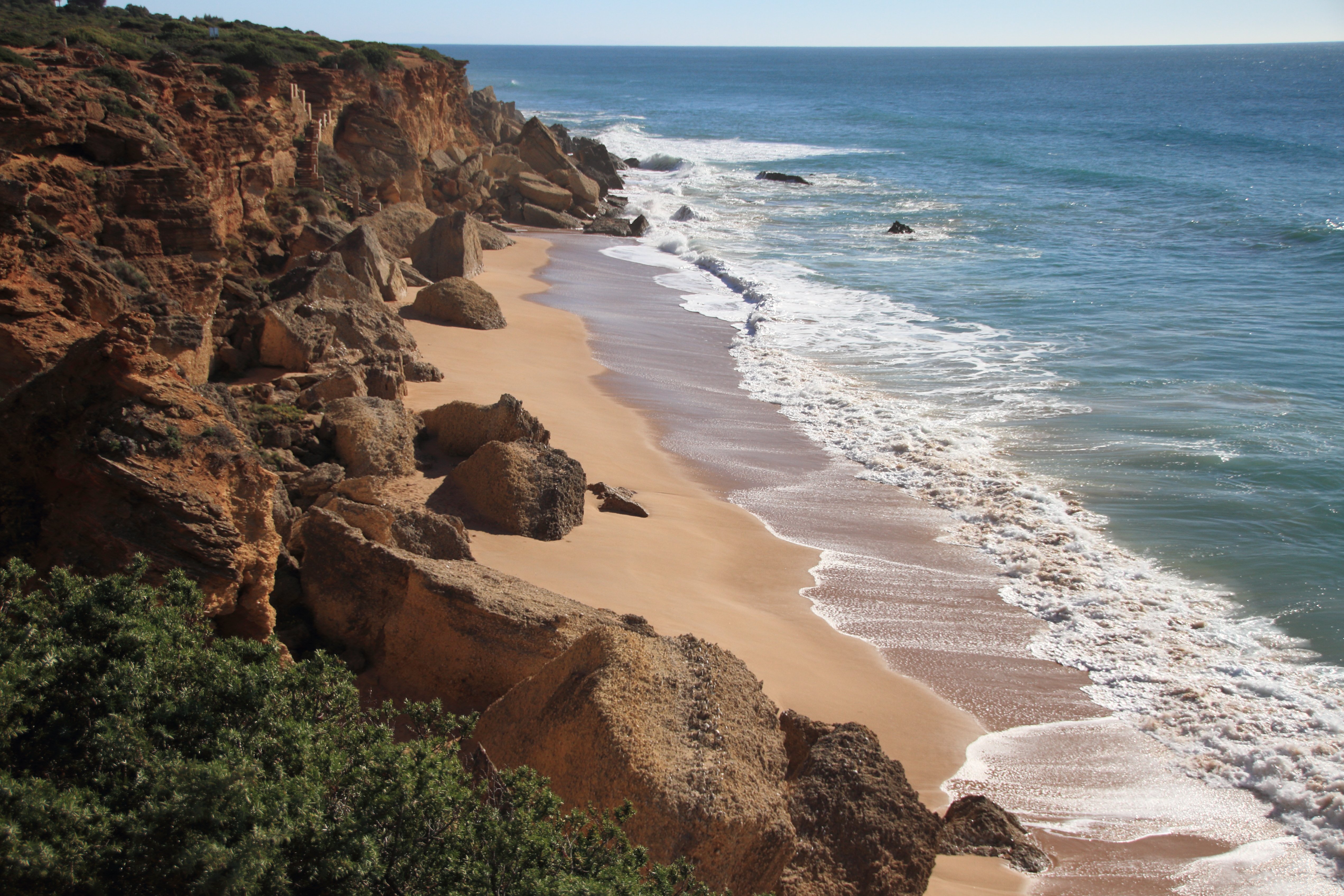
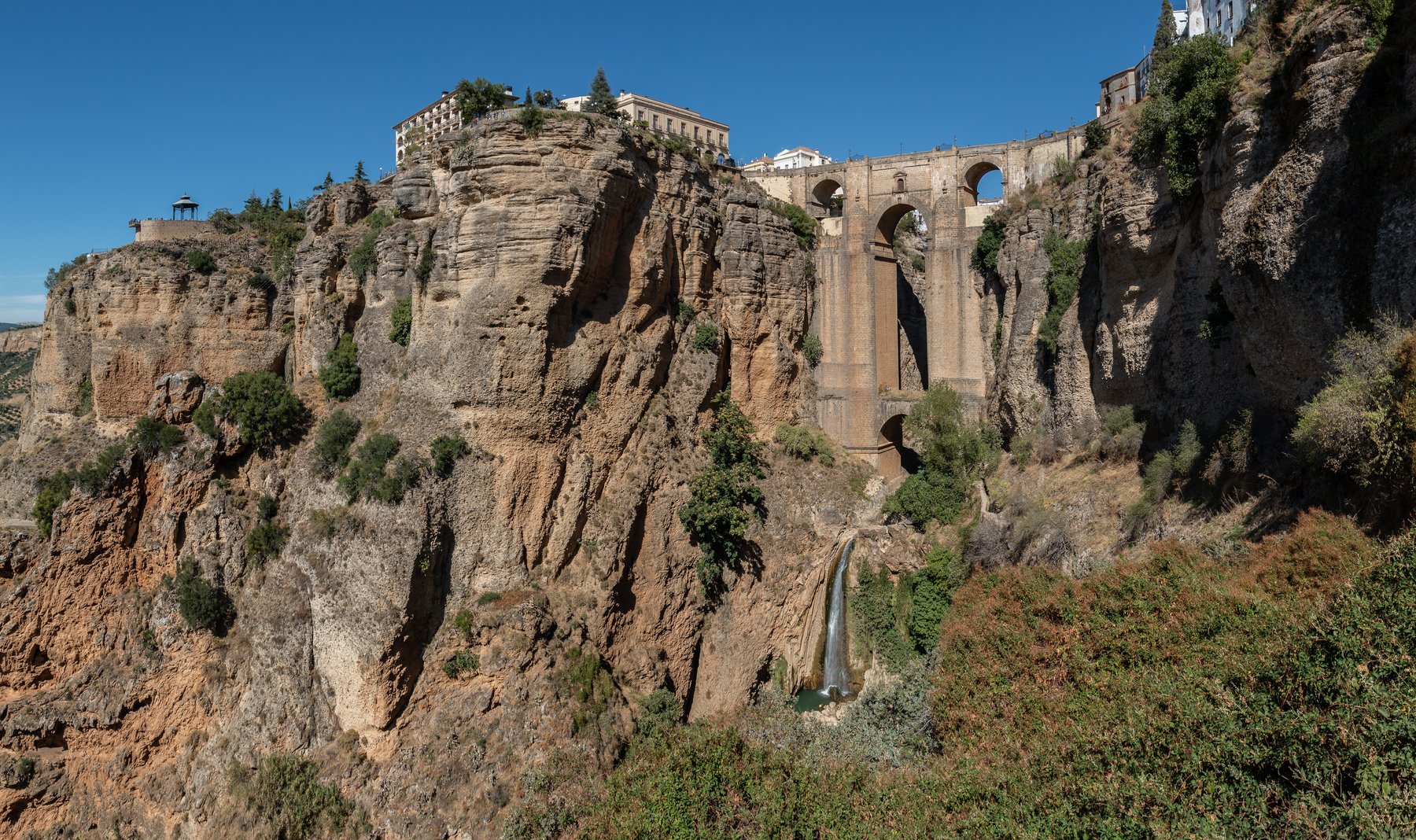
Away from the cities, the Sierra Nevada offers serious hiking and winter skiing, while the Atlantic coast between Tarifa and Cádiz holds some of the finest beaches in Spain — uncrowded, wind-scoured and backed by dunes rather than apartment blocks. The white villages of the interior — the pueblos blancos — reward anyone willing to rent a car and get lost for a few days. Ronda is the best base: dramatically perched above a gorge and well-connected to the surrounding countryside.
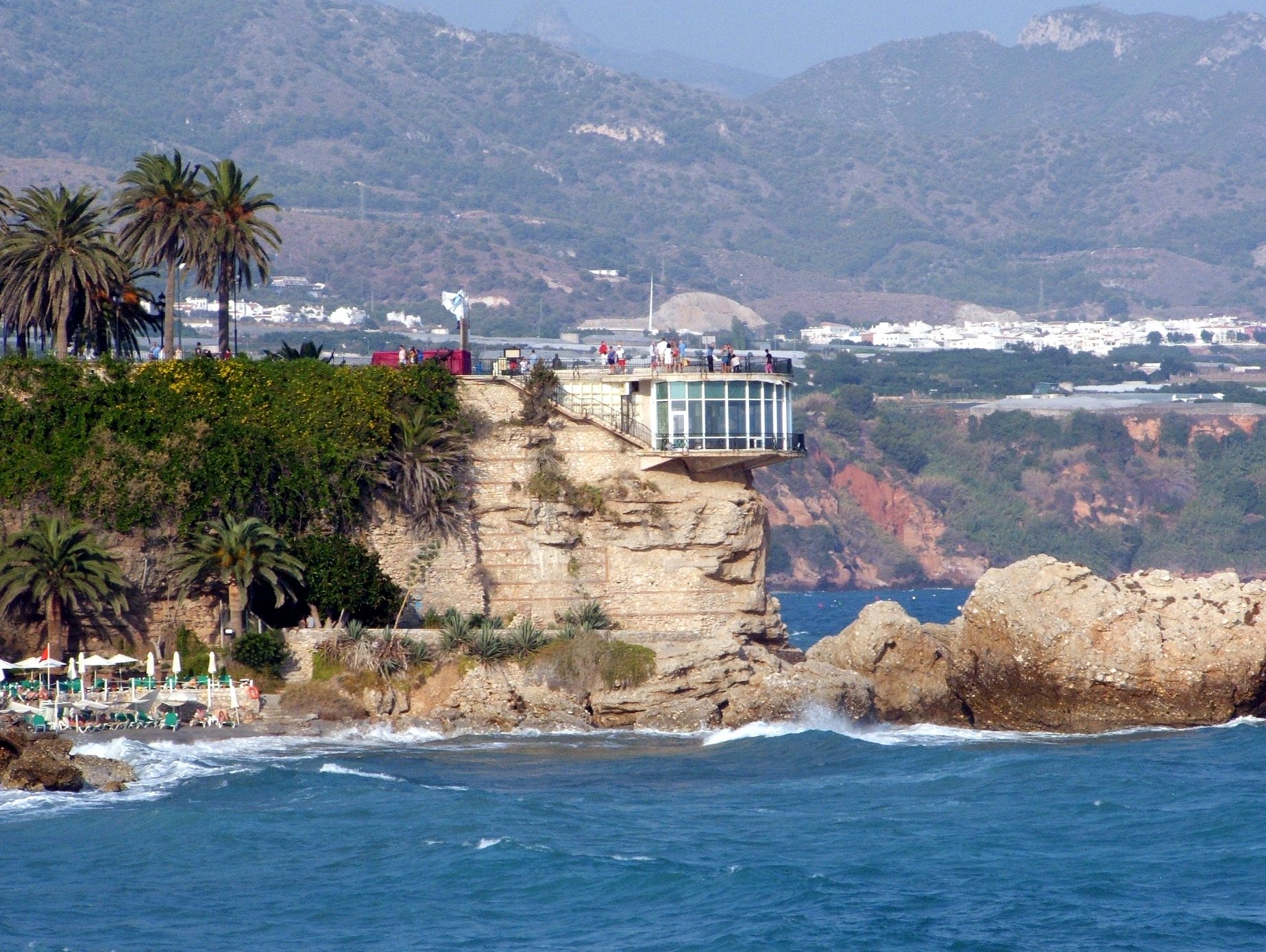
Avoid the Costa del Sol unless you have very specific reasons to go. It's the most overdeveloped stretch of coastline in Europe and offers little that couldn't be found better elsewhere in the region. The rest of Andalucia more than compensates.