Catalonia is the northeastern corner of Spain, pressed against the French border and the Mediterranean, and it feels like its own country — because in many ways it is. The language is Catalan, not Spanish, the culture is distinct, and the political identity is fiercely independent. Visitors who treat it like generic Spain miss the point.
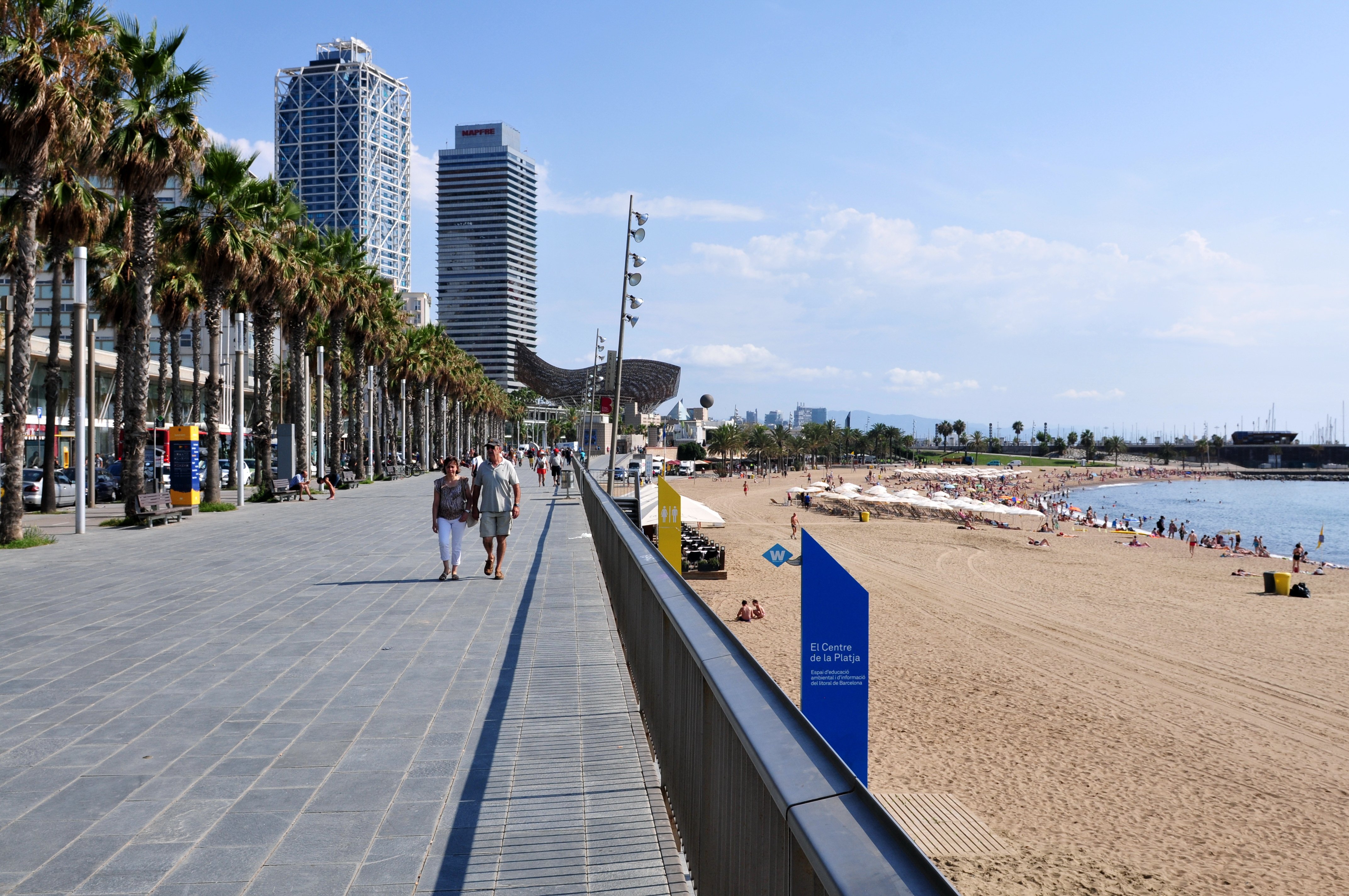
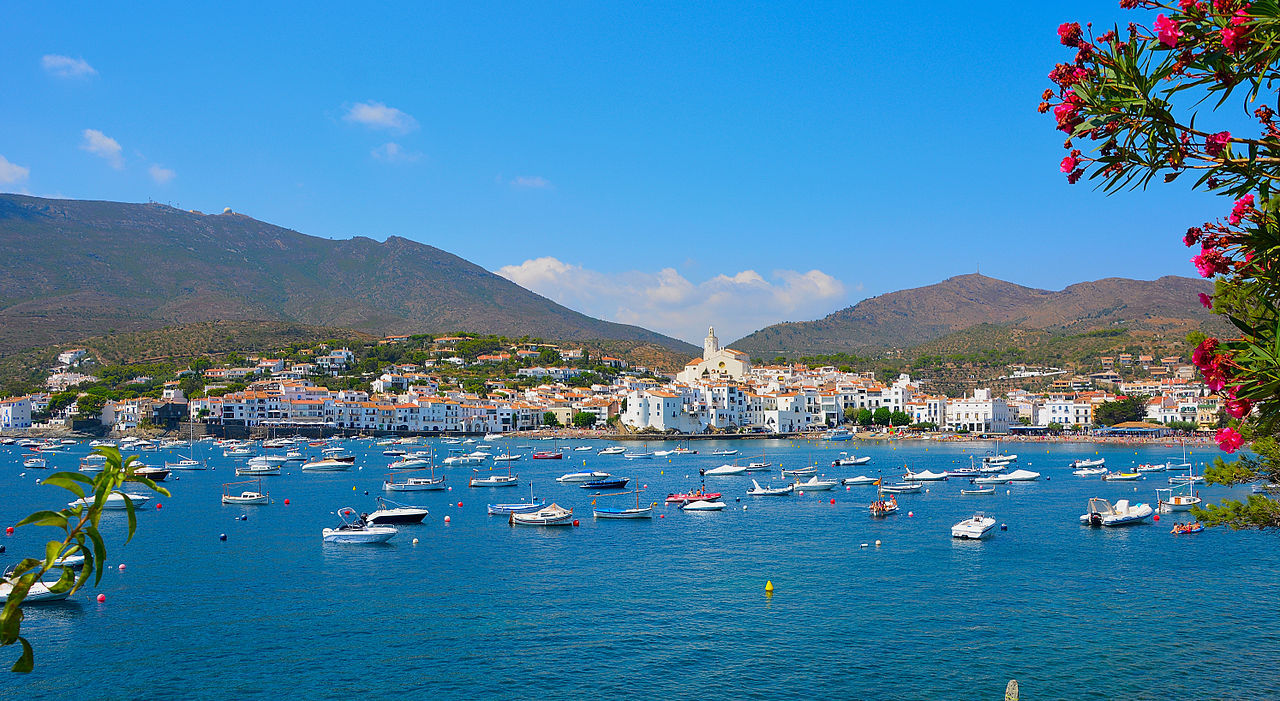
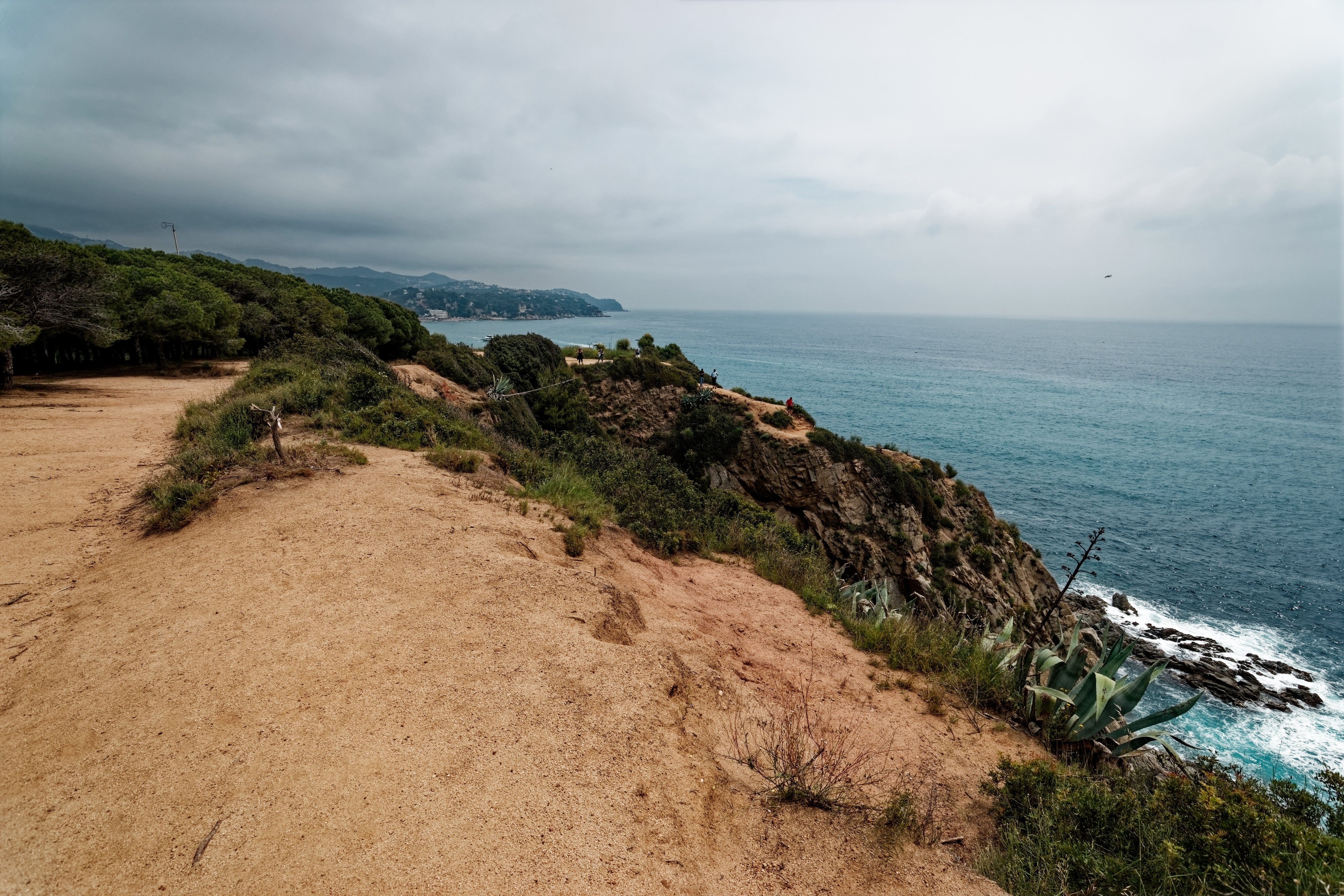
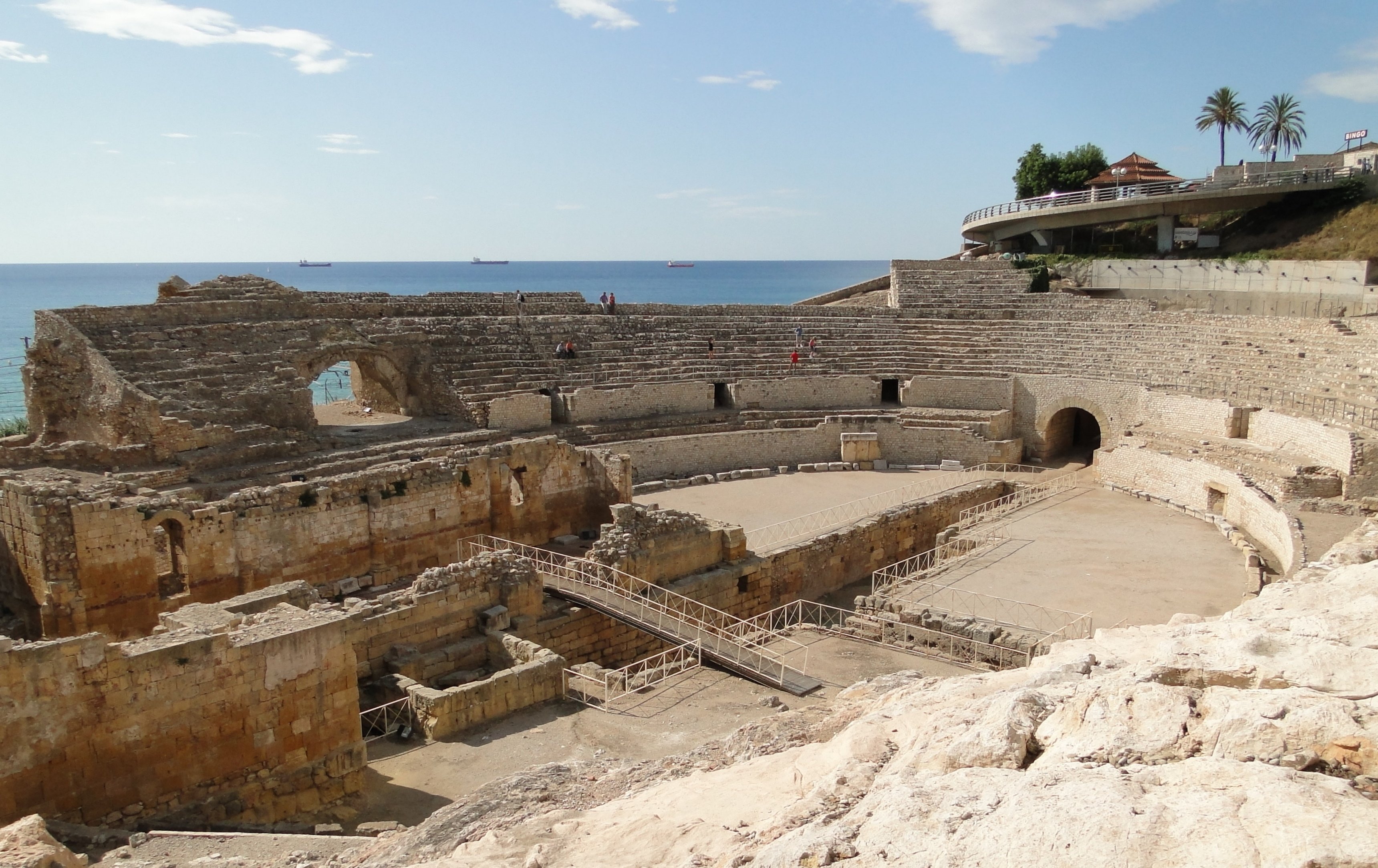
Barcelona dominates, and rightly so — it is one of the great European cities, with Gaudí's architecture, serious food, and a beach that most coastal cities can only envy. But the rest of Catalonia is worth your time. The Costa Brava north of Barcelona has some of the best preserved coastline on the Mediterranean, with rocky coves, clear water, and the surrealist landscape that inspired Dalí. The Costa Daurada to the south is flatter and more family-oriented, with Tarragona's remarkable Roman ruins right in the middle of it.
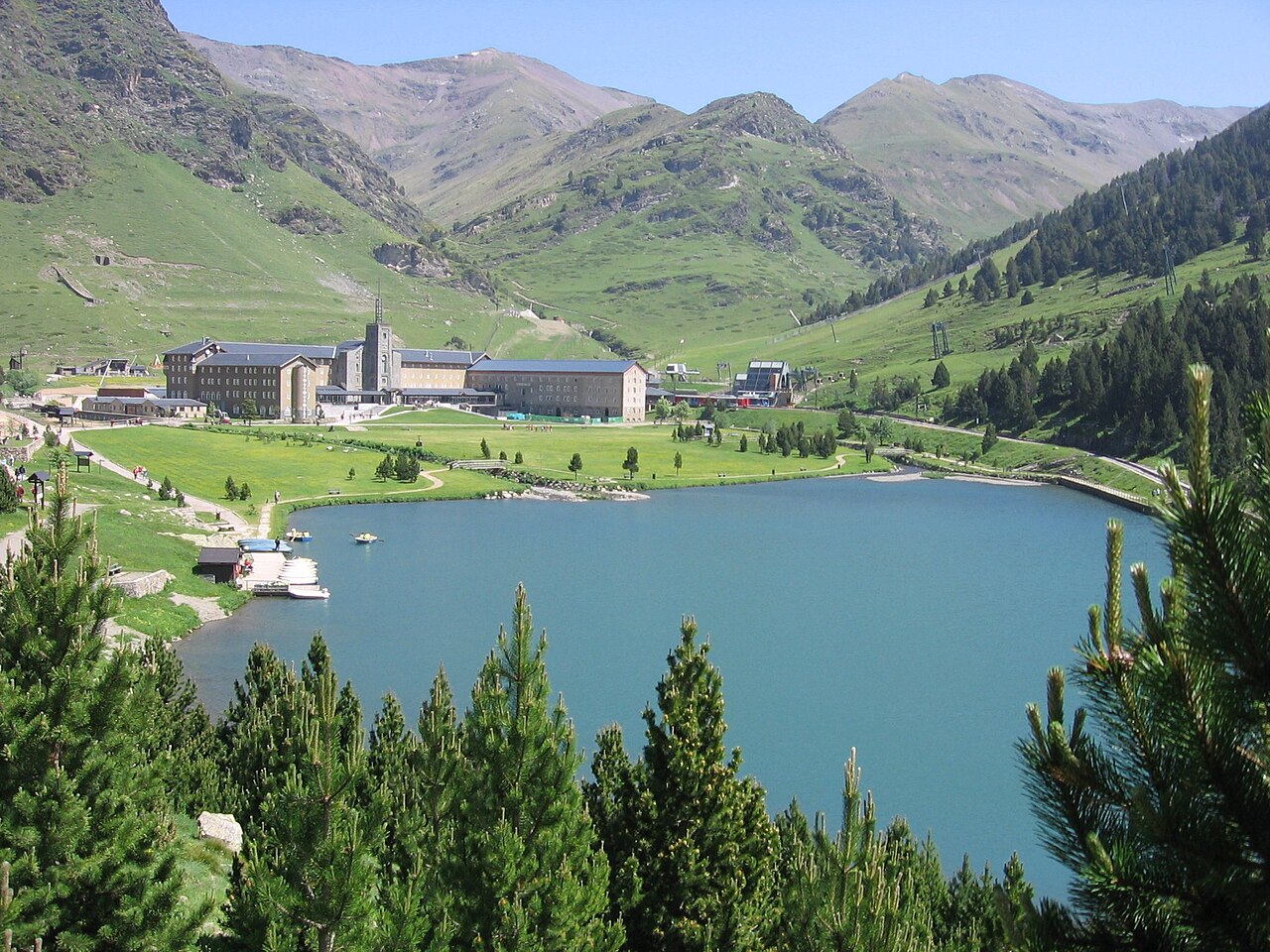
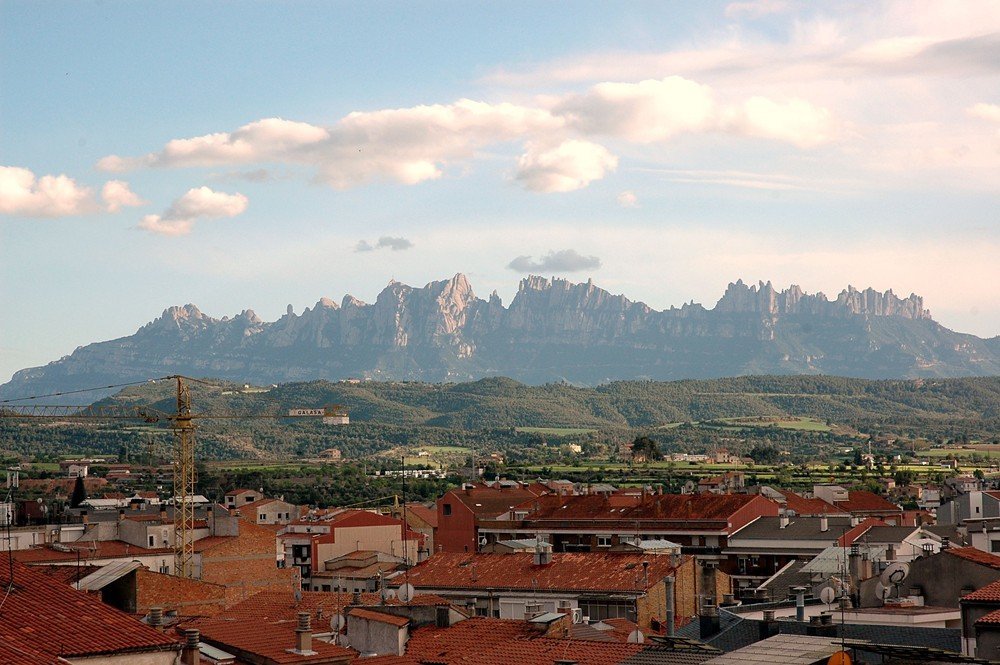
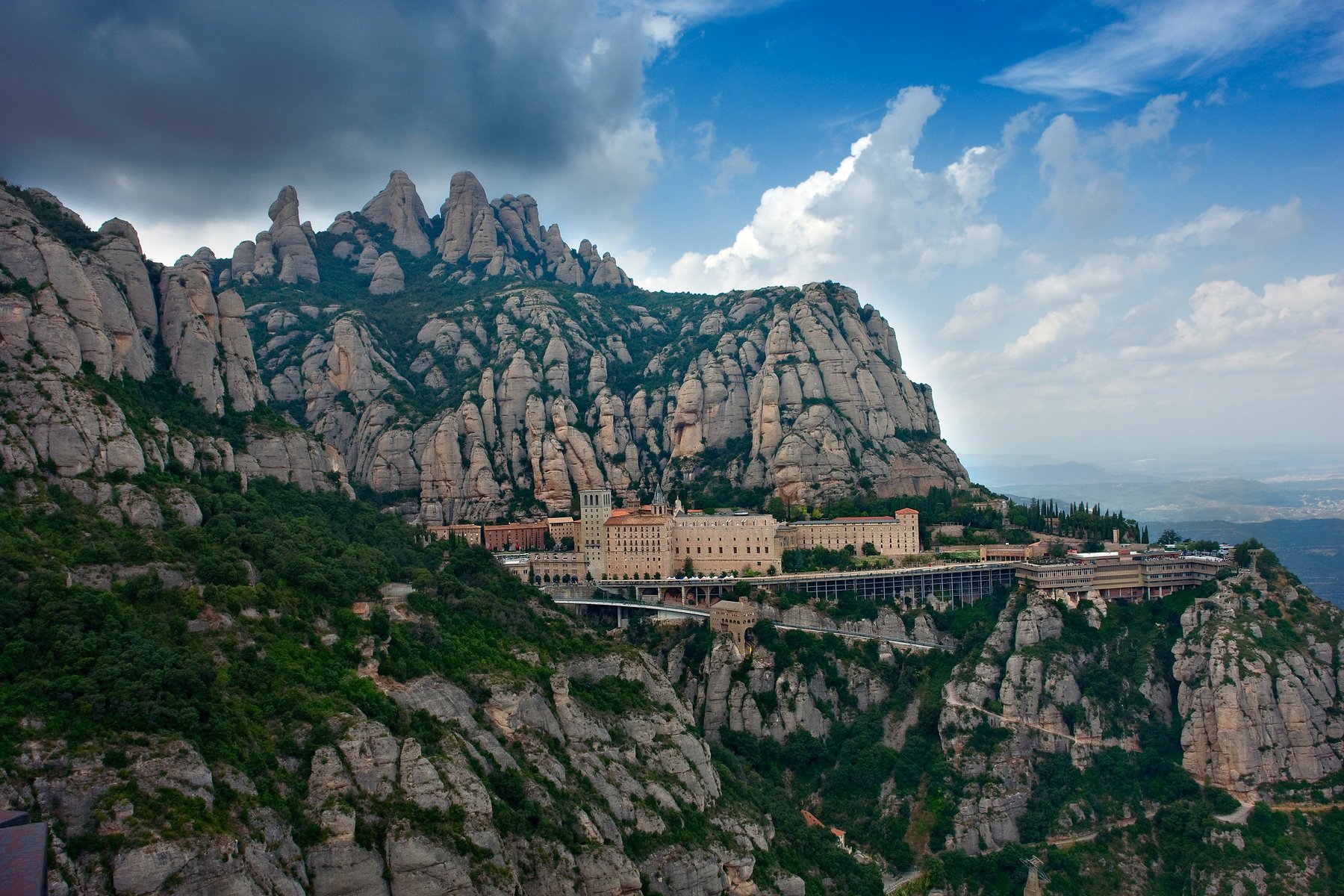
Inland, the Pyrenees rise quickly. The Boí Valley holds a cluster of Romanesque churches that are genuinely extraordinary — small, austere, and very old — and leads into Aigüestortes National Park, the only national park in Catalonia. Further south, Montserrat is dramatic enough to justify the crowds, its serrated peaks rising above a Benedictine monastery that has been a pilgrimage site for centuries.
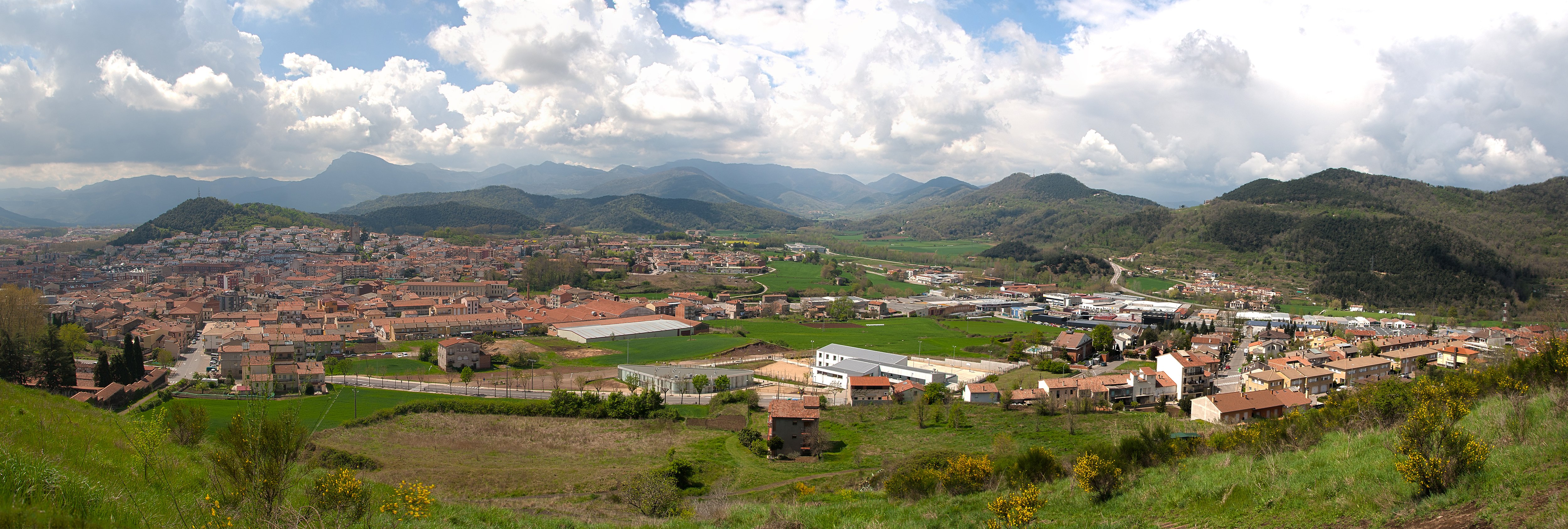
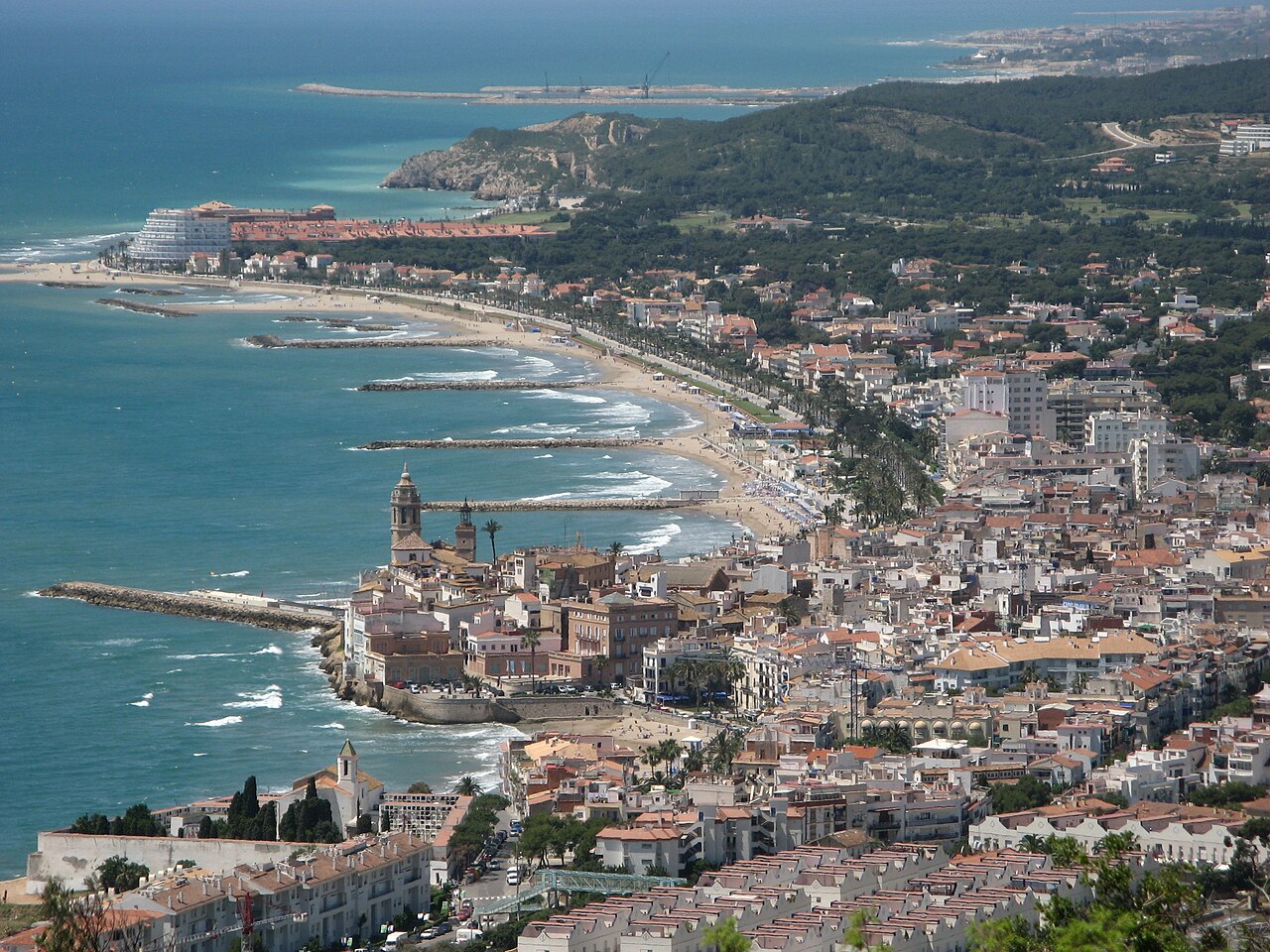
The smaller cities are underrated. Girona has a medieval centre and a Jewish quarter that puts many larger cities to shame. Figueres is home to Dalí's extraordinary Teatre-Museu. Sitges, just south of Barcelona, is a relaxed beach town with a strong arts tradition and a famously open atmosphere.
One practical note: speak Catalan if you can, or at least acknowledge it. Most Catalans speak Spanish perfectly well, but starting a conversation in Catalan — even just "bon dia" — will be warmly received. Starting in English is fine. Starting in Spanish as your default, without acknowledging the local language, can occasionally land badly.