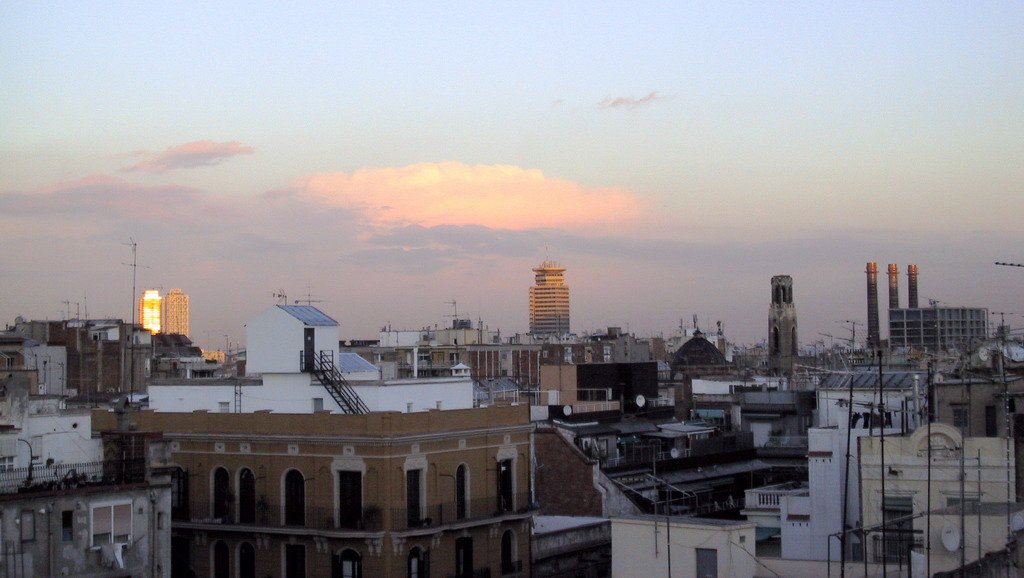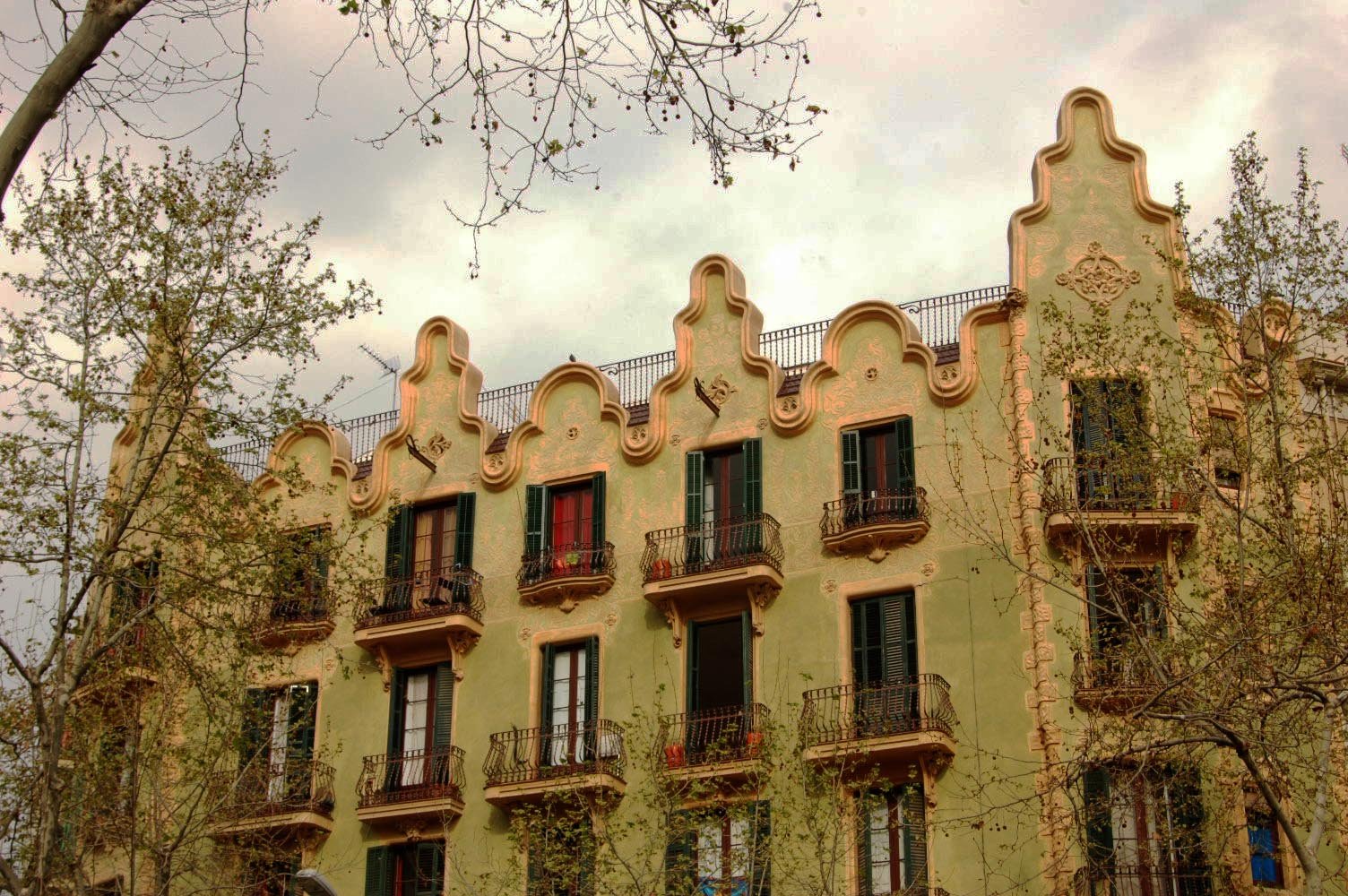
Barcelona is one of those rare cities that genuinely lives up to its reputation. The capital of Catalonia sprawls along the Mediterranean coast, hemmed in by hills and sea, and packs more architectural spectacle, street life and sheer creative energy into its neighbourhoods than most countries manage in their entirety.
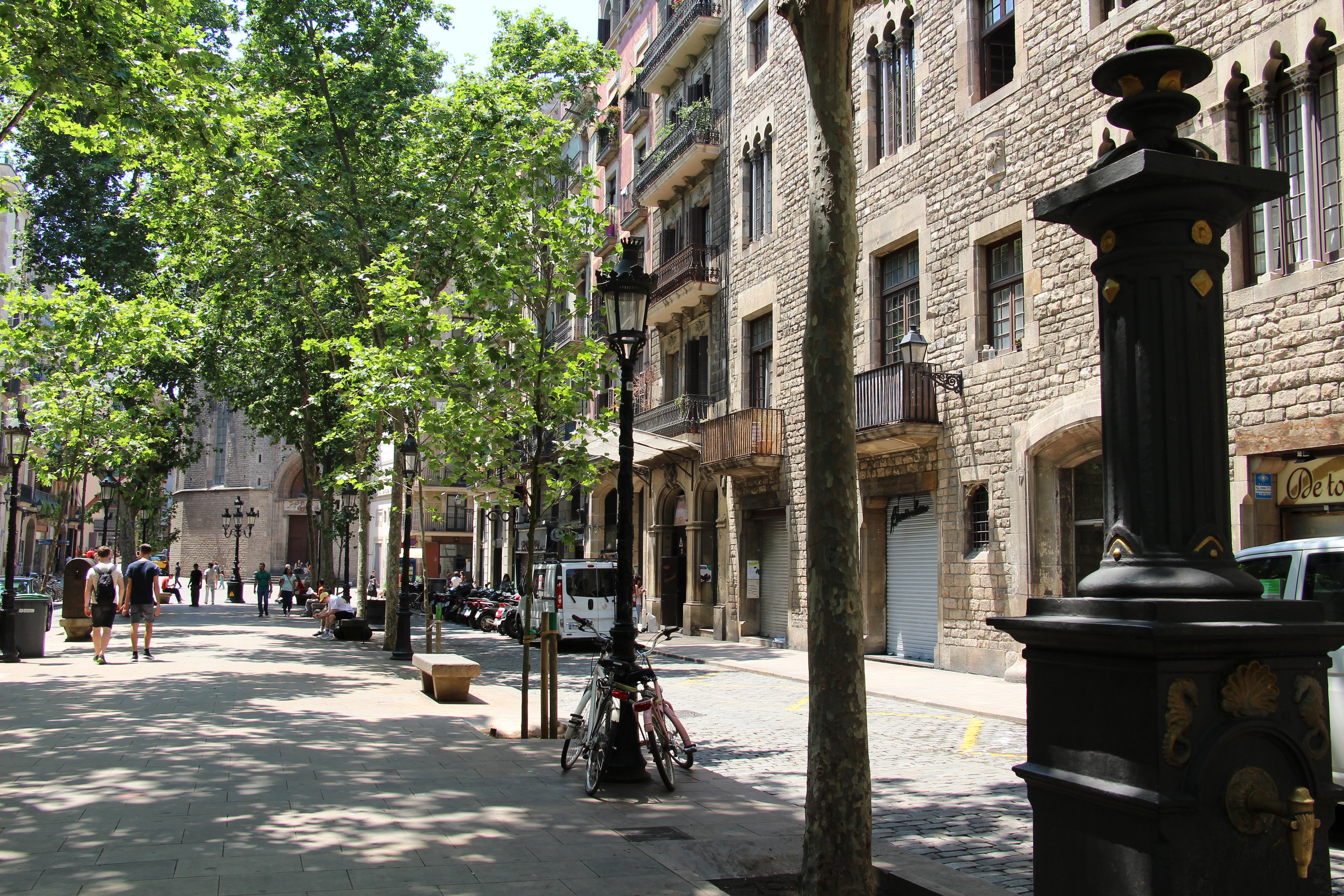
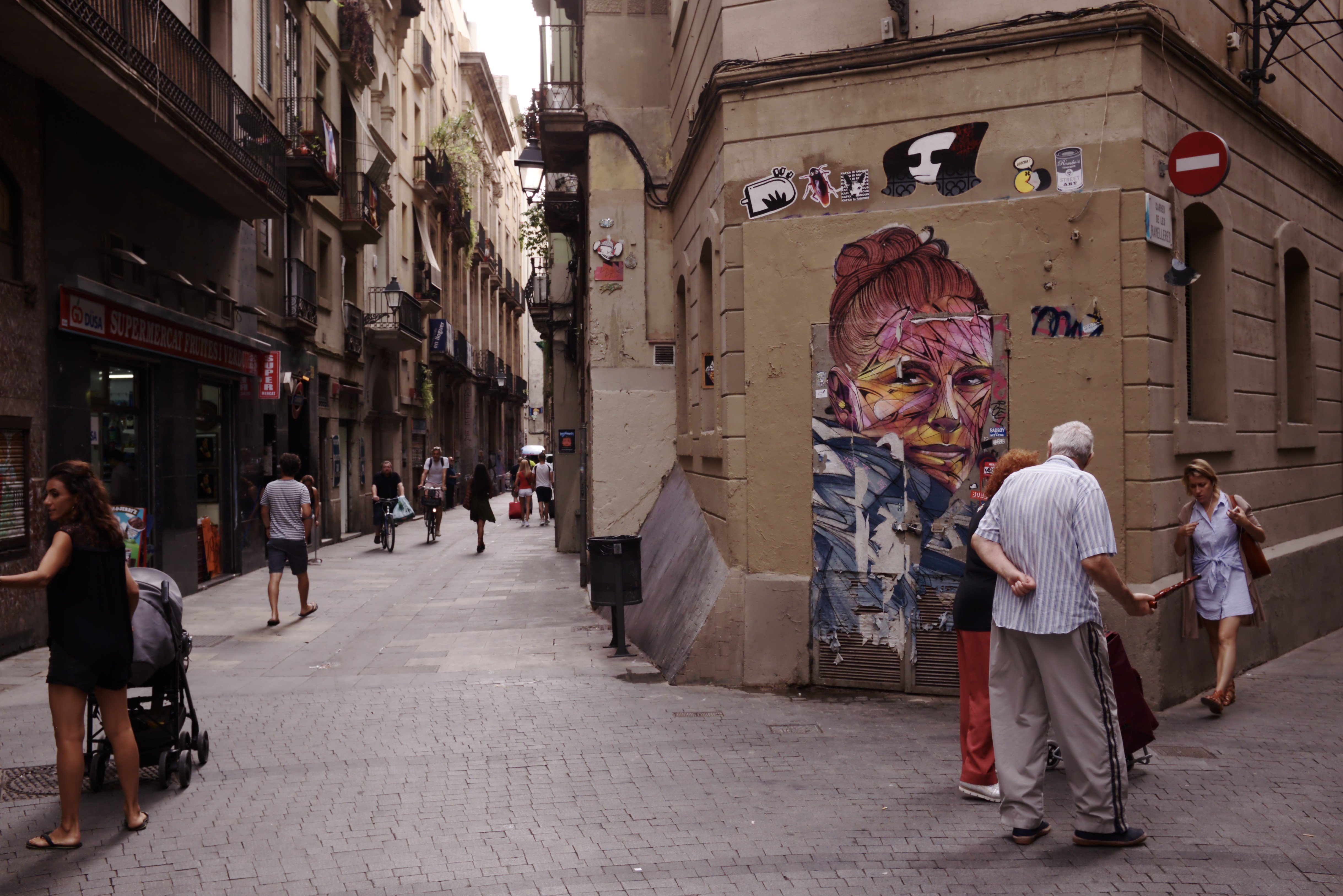
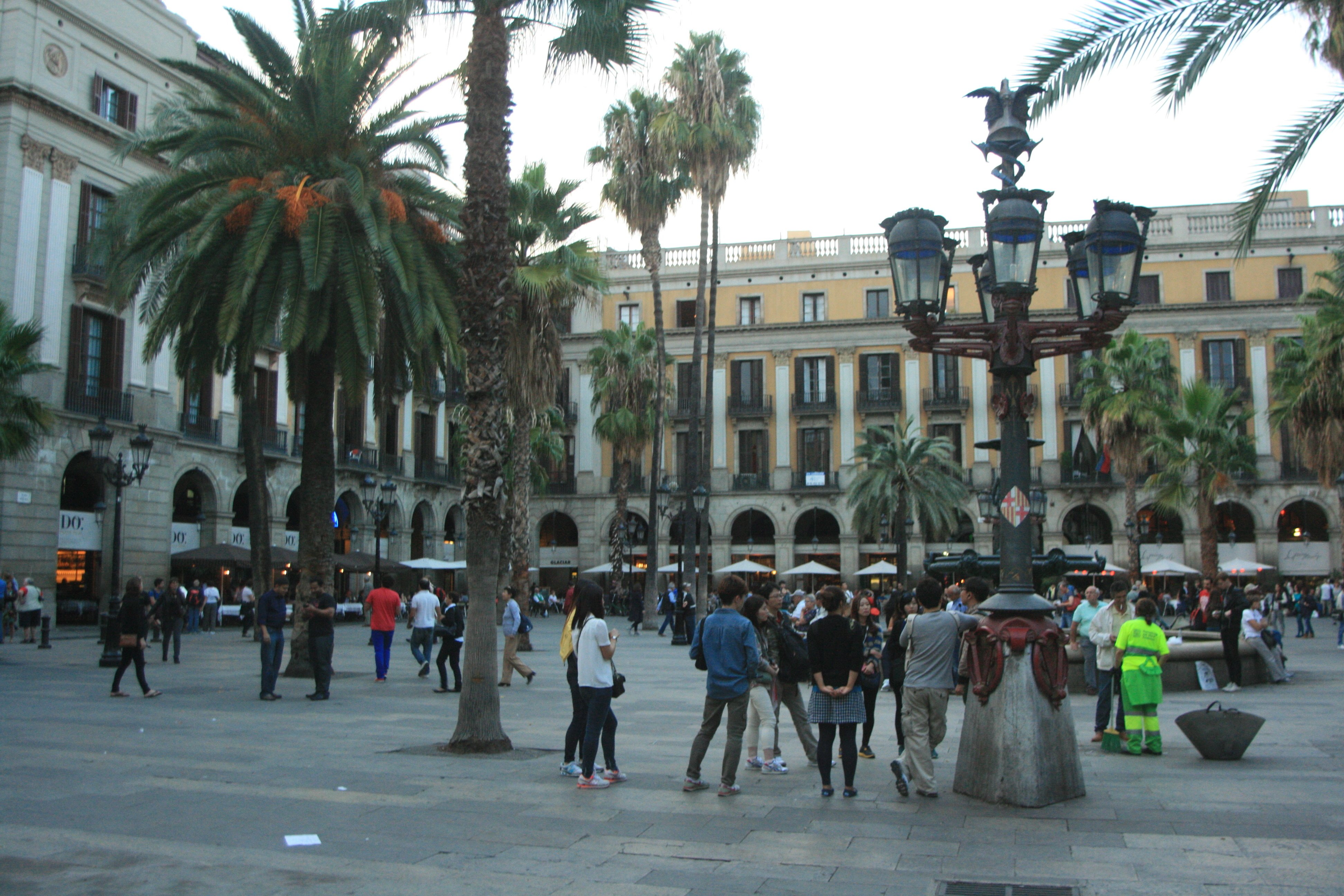
Start at Las Ramblas, the famous tree-lined promenade running from Placa de Catalunya down to the harbour. Flower stalls, book kiosks, street performers and an endless parade of people make this one of the great walks in Europe. Duck off the Ramblas into the Barri Gotic, the medieval Gothic Quarter, where narrow winding streets hide tapas bars, churches and the kind of small squares that make you want to sit down with a glass of wine and stay forever. Next door, the medieval merchant quarter of El Born and the grittier, multicultural El Raval complete the old town on either side of the promenade.
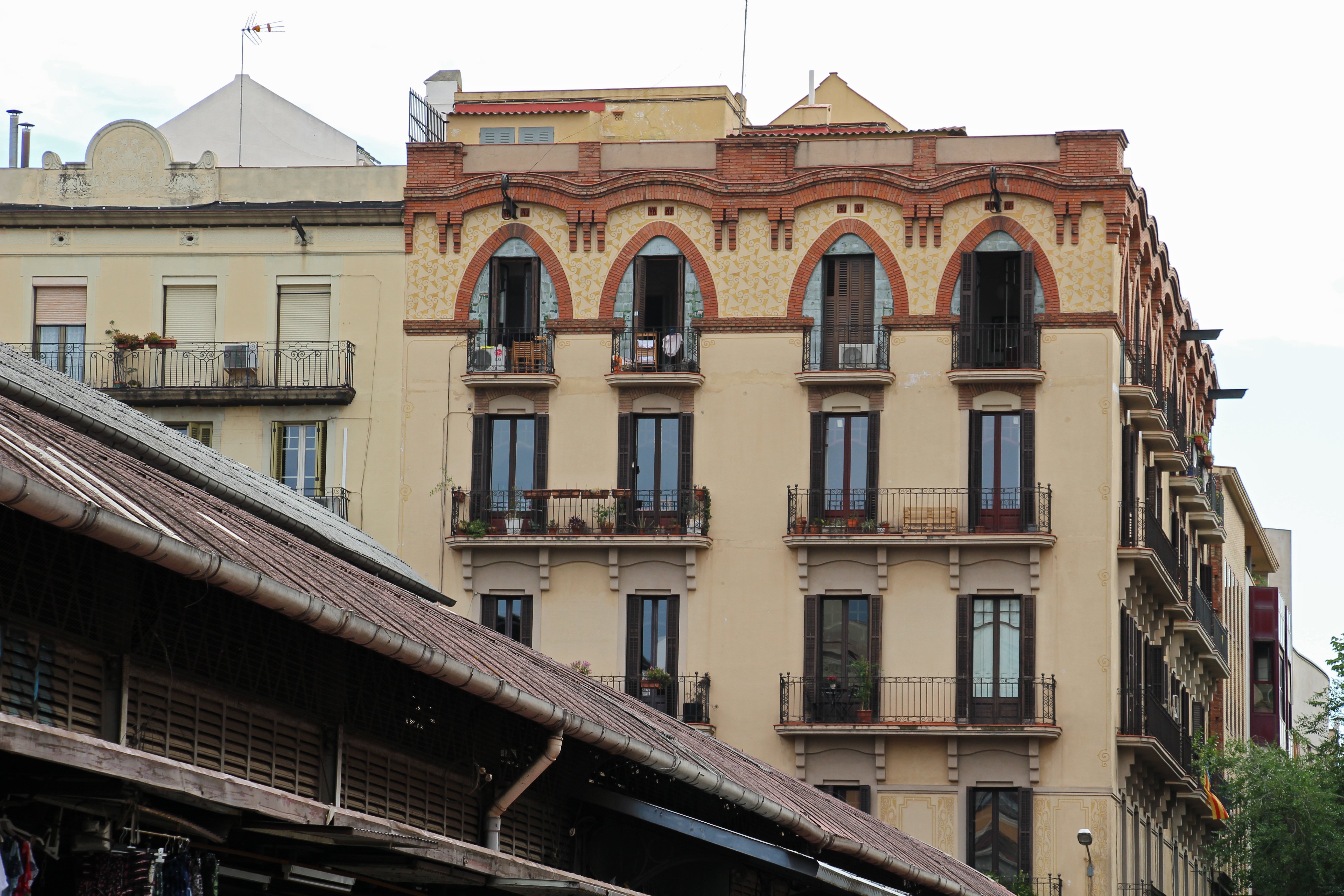
What truly sets Barcelona apart is Antoni Gaudi. His buildings are everywhere: the fantastical Sagrada Familia still rising skyward a century after his death, the dreamlike Casa Batllo and La Casa Mila on the elegant Passeig de Gracia in the Eixample, the whimsical Parc Guell on the hillside above the bohemian village of Gràcia. No other architect has shaped a city's identity so completely.
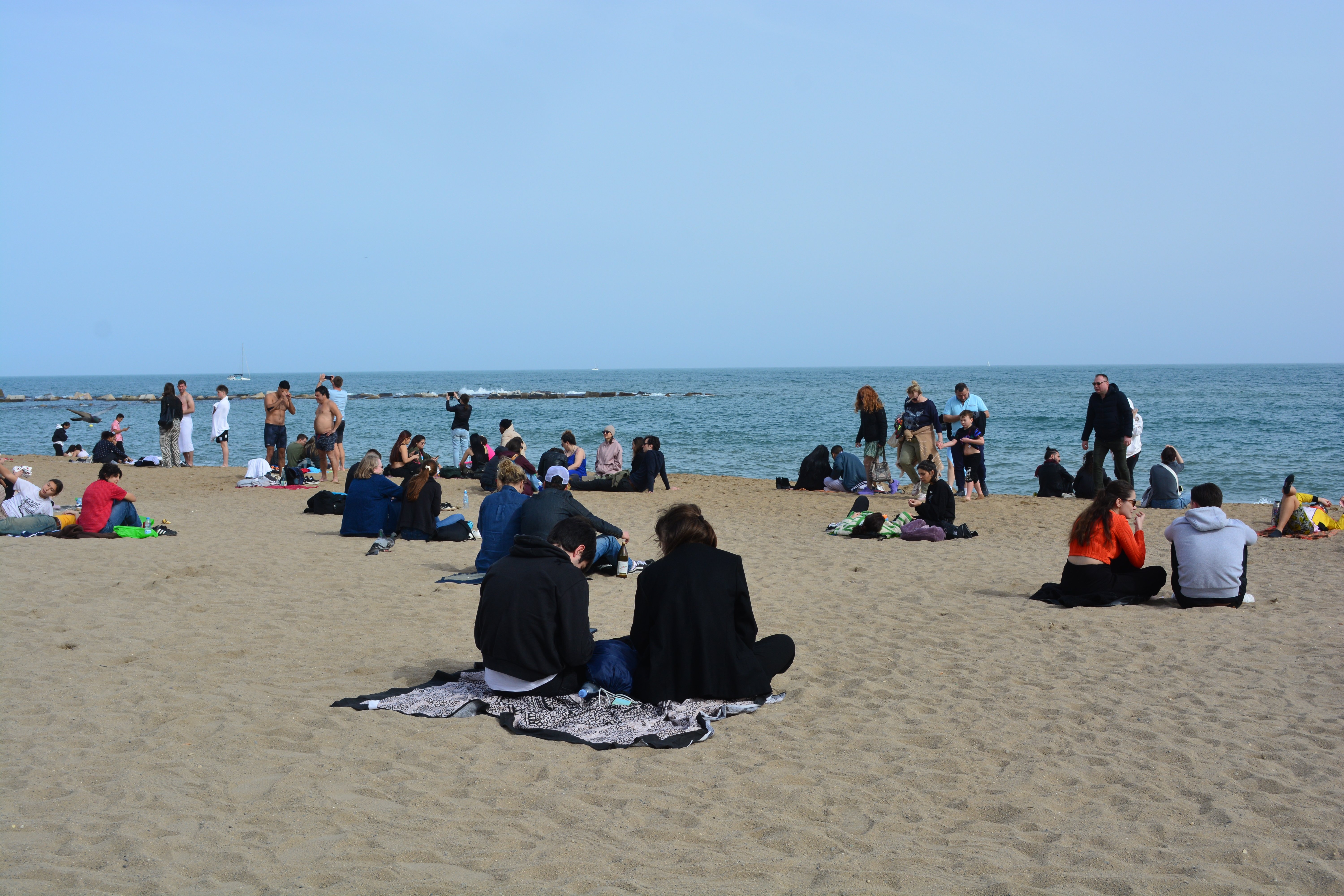
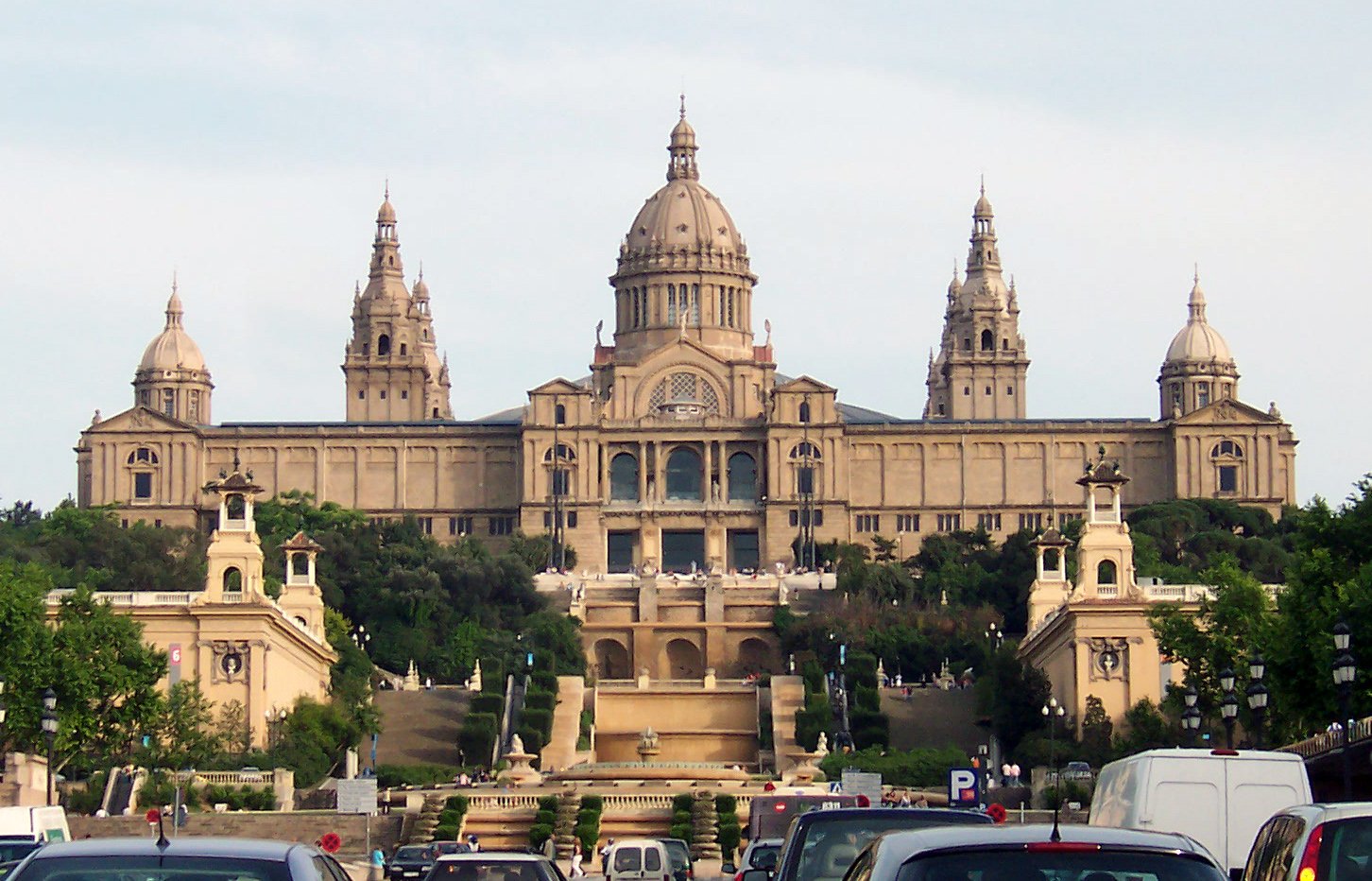
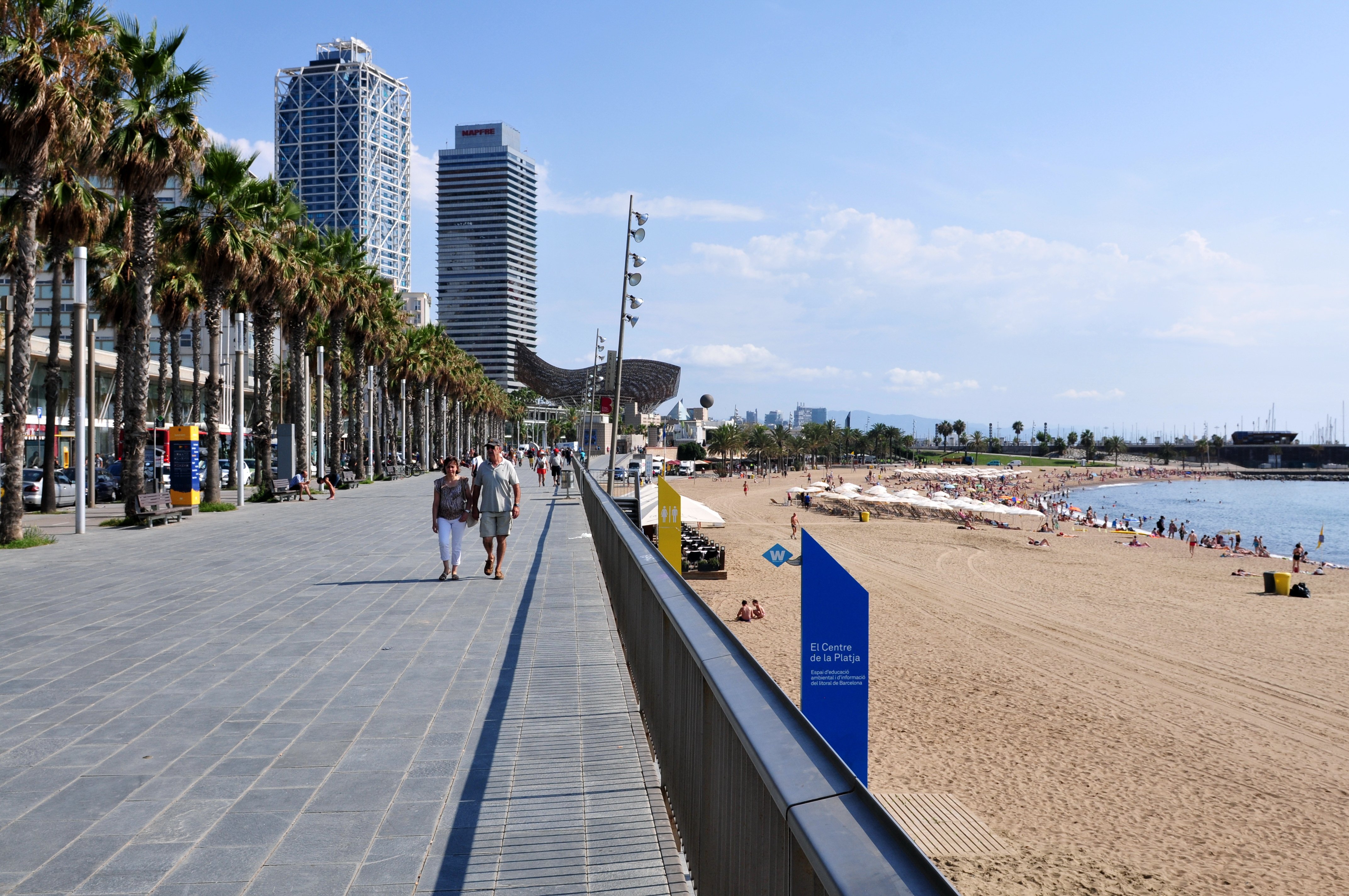
Beyond Gaudi, Barcelona offers the Picasso Museum in a row of medieval palaces, the Miro Foundation on the museum-and-garden hill of Montjuïc, and a food scene that ranges from market stalls at La Boqueria to some of the most inventive restaurants in the Mediterranean. The city's beaches, rebuilt for the 1992 Olympics, stretch from the old fishing quarter of Barceloneta all the way to the modern Port Olimpic.
Catalans are proud, independent-spirited people who speak their own language alongside Spanish. Barcelona reflects this confidence. It is not trying to be Madrid. It is something entirely its own, a city that feels both deeply rooted and restlessly modern. Prices are higher than much of Spain, but you can still eat and drink well without spending a fortune, especially if you explore beyond the tourist centres.
Spring and autumn are the best times to visit, with pleasant temperatures and fewer crowds. Summer can be brutally hot and packed with visitors, while August sees many local businesses close as Barcelonians head for cooler territory.