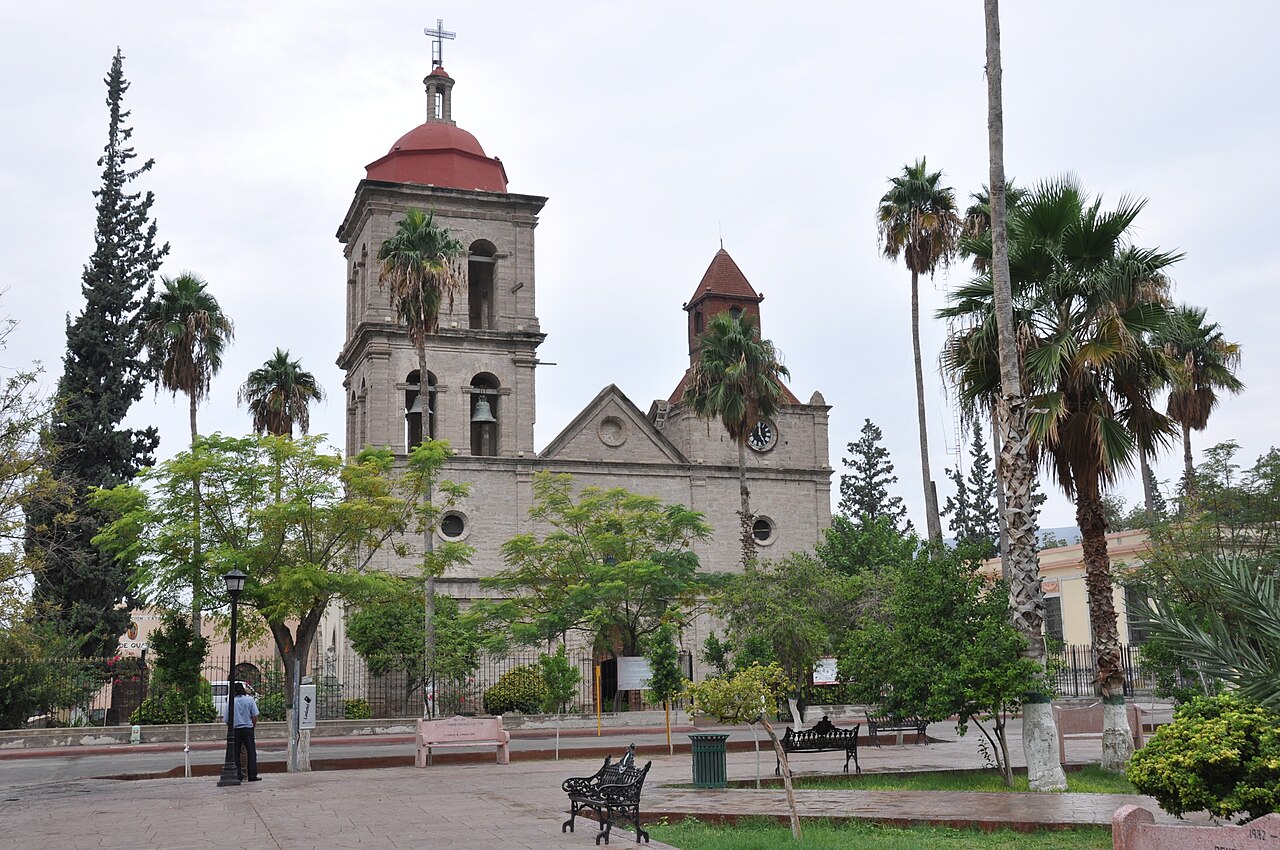
Cuatrocienegas
©
Cuatrocienegas

Cuatrocienegas

Coahuila desert town beside spring-fed pozas with endemic species and living stromatolites.

Cuatrocienegas sits in a desert valley in the state of Coahuila, surrounded by mountains and home to one of Mexico's most remarkable natural areas. The Cuatrocienegas Protected Area contains hundreds of spring-fed pools — pozas — with startlingly blue water in the middle of the Chihuahuan Desert. The pools support endemic species found nowhere else on earth, including unique turtles and stromatolites, living rock formations similar to some of the earliest life on the planet.

The town itself is small and quiet, the birthplace of Venustiano Carranza, one of the leaders of the Mexican Revolution — his birthplace museum is in the town centre. The main draw is the desert landscape: the Poza Azul and the Dunas de Yeso (gypsum dunes) are the most visited spots, both easily reached from town. Bring plenty of water — this is deep desert country, and summer temperatures are extreme.

Guide

Getting There

Cuatrocienegas is in the state of Coahuila, about 200 km south of the border city of Piedras Negras and 340 km west of Monterrey. The most straightforward approach from Monterrey is via Highway 53 through Monclova — allow four to five hours. From Saltillo, take Highway 54 north; it's about three hours.

There is no direct commercial flight to Cuatrocienegas. The nearest airports are Monclova (15 km away, limited service) and Monterrey (five hours by road, with good international connections). Public buses from Monclova run to Cuatrocienegas several times a day; the journey takes about half an hour. For visiting the biosphere reserve sites, a rental car or a local taxi hired for the day is the practical option — the pozas and dunes are spread across a large area with no public transport.

Guide

Things to Do

Cuatrocienegas is an outdoor destination, and the natural landscape is the reason to come. The Pozas — the spring-fed pools — are the headline attraction, but the valley offers more: gypsum dunes, salt flats, desert trails, and one of the most unusual ecosystems on earth. Most visitors come for the day from Monterrey or nearby cities, but spending a night in town lets you be at the pozas at dawn when the light and the silence are at their best.

Guide

When to Go

The best months to visit Cuatrocienegas are October through April, when temperatures are manageable. Spring and autumn are particularly pleasant — mild days, cool nights, and the desert landscape at its most vivid. Summer (June to August) is extreme: temperatures regularly exceed 40°C in the valley, and visiting the open pozas and dune fields in midday heat is genuinely dangerous. If you must visit in summer, start before dawn and be back in shade by 10 AM.

March and April bring some wildflower blooms to the desert margins. The spring-fed pools are good for swimming year-round since the water temperature stays relatively constant, but winter nights can be cold enough to freeze in the high desert. There are no major festivals in Cuatrocienegas that would specifically draw visitors.