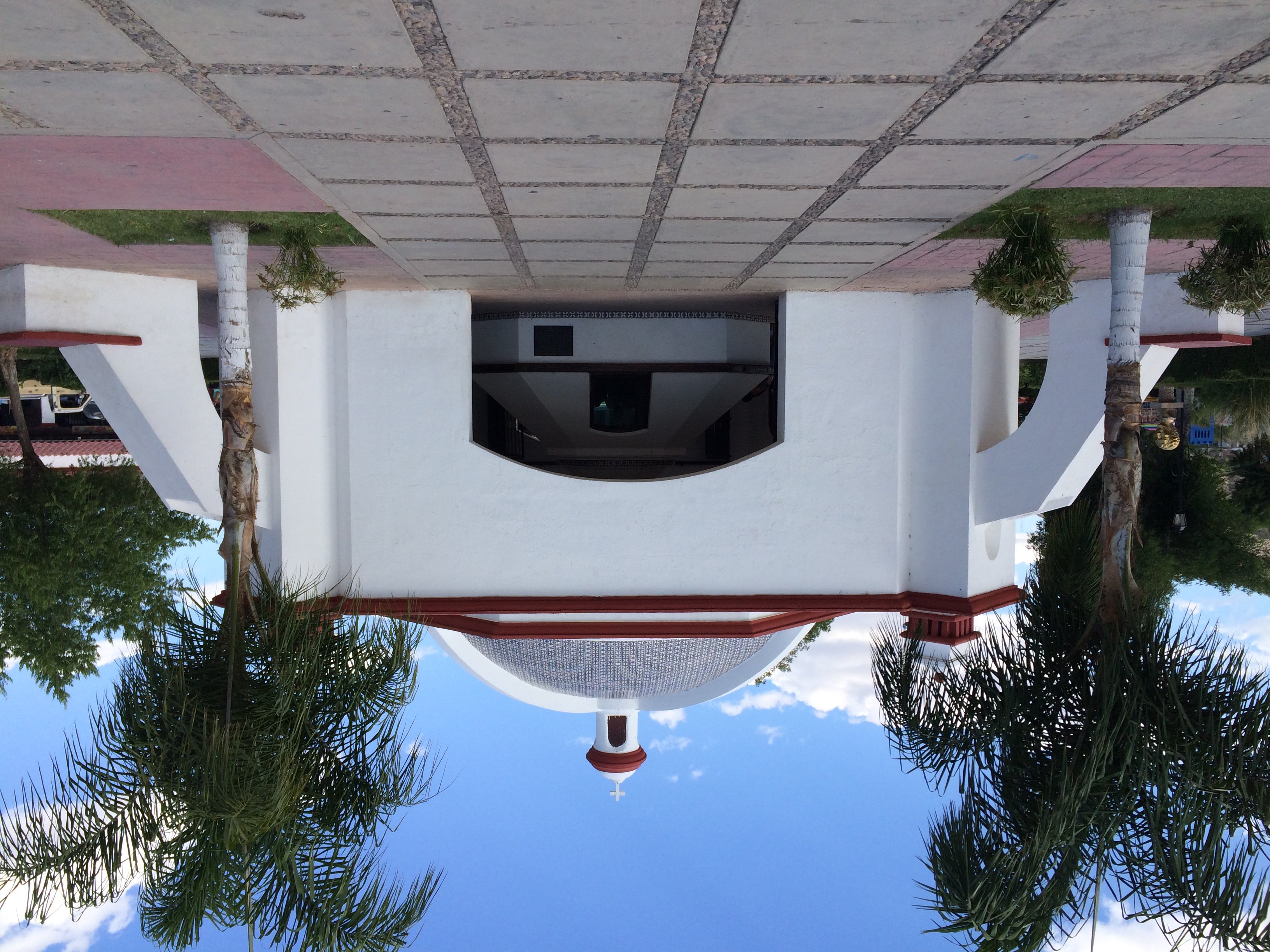
A prosperous small city of around 25,000 people, Magdalena de Kino sits 80 km south of Nogales and the Arizona border on Mexico's national route 15. Most travelers rush through — a mistake. The town has a genuine and compelling story to tell, one that touches on the colonial mission era, indigenous pilgrimage traditions, and one of modern Mexico's most mourned political tragedies.
The city's most famous resident never actually lived here. Padre Eusebio Kino, the Italian Jesuit missionary from near Trento, founded dozens of missions across the Pimería Alta in the late 1600s and early 1700s — including the beautifully preserved San Ignacio temple a few miles east — and died in 1711. His remains were only discovered in 1966, right here in Magdalena, and the plaza was rebuilt around them at considerable expense. Today his crypt sits in the park-like Plaza Monumental, open to visitors and still the object of real devotion.
Across the plaza stands the Temple of Santa María de Magdalena, home to a venerated image of San Francisco Javier. In late September and early October, the square transforms: thousands of Mexican pilgrims arrive alongside members of the Tohono O'odham and Pascua Yaqui tribes from near Tucson for the festival of San Francisco Javier. A second gathering in May honors Padre Kino himself. Outside festival season, the plaza is an oasis of calm — small shops selling religious mementos ring the square, and the pace is unhurried.
Magdalena is also the hometown of Luis Donaldo Colosio Murrieta, the widely respected politician and presidential candidate assassinated on 23 March 1994 in Tijuana. His death shook Mexico profoundly, and the city has not forgotten him.
Not far from the plaza, the Palacio Municipal is worth a look — it was once the seasonal seat of Sonora's state government, back when officials fled the punishing summer heat of Hermosillo.