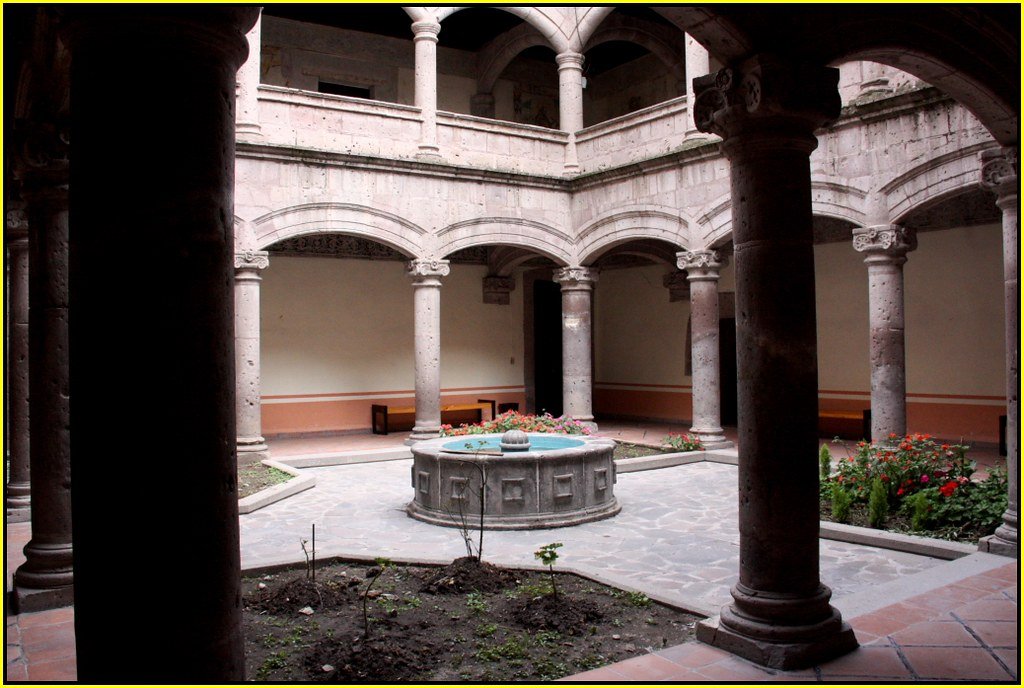
Querétaro colonial city in a fertile valley, known for opal mining, gem workshops, and vineyards.
San Juan del Río is a colonial city of about 240,000 in the state of Querétaro, sitting in a fertile valley about an hour southeast of the state capital. It is one of Mexico's centers for opal mining and gem cutting — the region produces beautiful fire opals in shades of orange and red, and you can visit workshops and mines in the surrounding hills to watch the stones being extracted and polished. The prices are significantly better here than in tourist-oriented shops elsewhere in Mexico.
The city center has a handsome collection of colonial architecture around the main plaza, including the Templo del Sacro Corazón and several well-preserved eighteenth-century buildings. San Juan del Río has a growing wine and cheese industry thanks to its temperate highland climate, and several vineyards in the area welcome visitors for tastings. The town makes a pleasant half-day stop on the road between Mexico City and Querétaro, or a base for exploring the Sierra Gorda Biosphere Reserve to the northeast. The Sunday market is lively, with local produce, opals, and leather goods.
Guide
Getting There
San Juan del Río sits on Highway 57, the main corridor between Mexico City and the north. By car it is roughly 150 km from Mexico City (about 1.5 hours) and 50 km from Querétaro city (about 45 minutes). The drive from Mexico City on the toll highway is straightforward.
Regular bus service connects San Juan del Río to Mexico City's Terminal Norte and to Querétaro. Several bus lines serve the route, with departures every 30 to 60 minutes throughout the day. The bus station is a few kilometres from the historic centre; taxis are available.
Guide
When to Go
San Juan del Río's highland climate is temperate year-round — warm days and cool nights, no extreme heat or cold. The dry season runs from November through May. The rainy season (June through October) brings afternoon showers but the air is cleaner and the surrounding landscape greener.
The Feria de San Juan in late June is the city's main festival, with a market, music, and the regional opal trade concentrated into a few busy days. Semana Santa draws pilgrims to the colonial churches. October brings the grape harvest in the nearby vineyards, and some haciendas open for tastings and events.