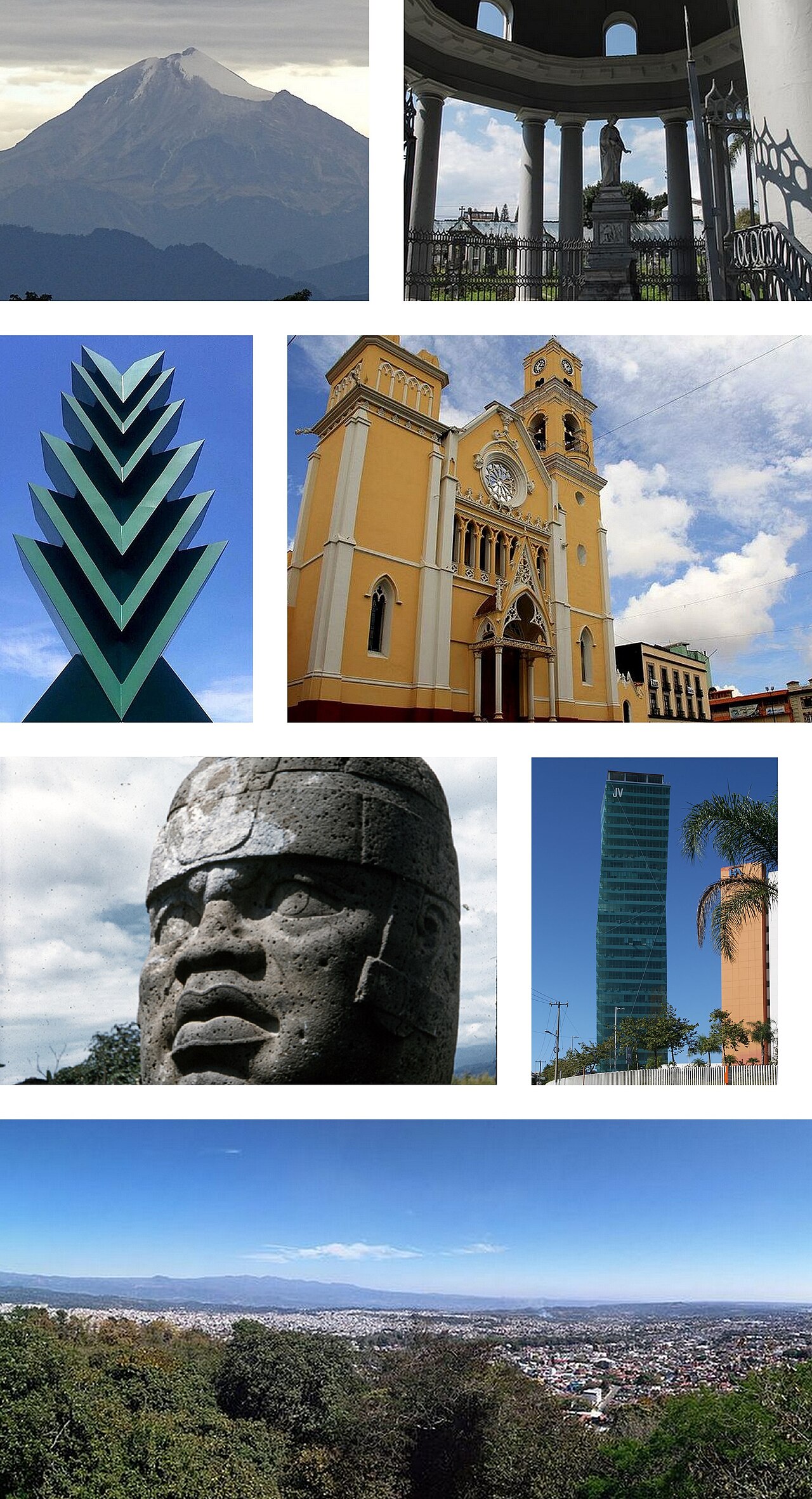
Xalapa earns its nickname "the Athens of Veracruz" honestly. The capital of Veracruz state is a university town first and foremost, and the influence of the Universidad Veracruzana gives the city a cultural energy that far exceeds what you might expect from its size. The Museo de Antropologia de Xalapa is the second most important anthropology museum in Mexico after the one in Mexico City, housing an extraordinary collection of Olmec colossal heads and Totonac sculptures in a beautifully designed modernist building. Do not skip it.
The city climbs the slopes of the Sierra Madre Oriental at around 1,400 meters, which gives it a climate markedly cooler and wetter than the steamy coastal plain below. The near-constant mist and drizzle feeds lush vegetation and the surrounding coffee plantations that produce some of Mexico's finest beans. You can visit fincas (coffee farms) in the hills outside town, and the local cafes take their coffee seriously. The Parque Juarez, perched on a hillside with views down to the valley when the clouds part, is one of the loveliest urban parks in Mexico.
Xalapa's streets are steep, colorful, and walkable, lined with bookshops, galleries, and student bars. The food scene reflects Veracruz's coastal-highland crossover — look for chileatole, tamales, and the excellent local cheese, all well represented at the Mercado Jáuregui near the city centre. The Parque Ecologico Macuiltepetl offers cloud forest walks within the city limits, and the Paseo de los Lagos and Parque Los Berros are perfect for a quiet morning walk. The university's Galería de Arte UV and the Teatro del Estado, home of one of Mexico's oldest symphony orchestras, give the city a cultural life disproportionate to its size. The coffee farms of Coatepec and Xico — just 30 minutes away — are the best place to understand the region's most celebrated product. The city also makes a good base for day trips to the pre-Columbian ruins at El Tajin or white-water rafting on the Rio Pescados.