Taxco
©
Taxco

Taxco

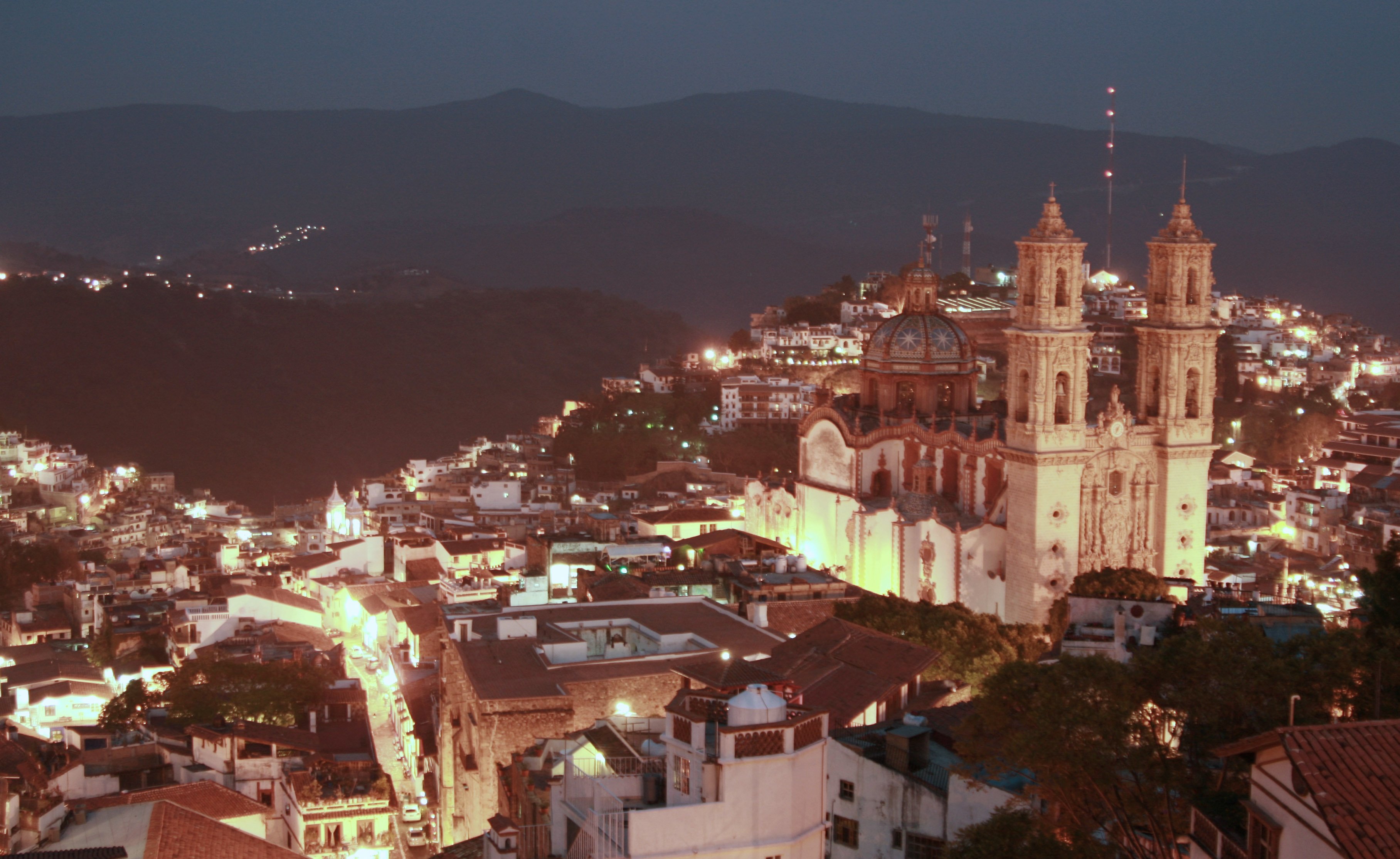
Steep Guerrero silver town of whitewashed lanes, terracotta roofs, and Santa Prisca's baroque church.

Taxco clings to a steep hillside in the Sierra Madre del Sur, about three hours south of Mexico City. Its narrow cobblestone streets wind past whitewashed buildings with terracotta roofs, all of it cascading down toward the ornate church of Santa Prisca in the central plaza. The town has been producing silver since the colonial era and still calls itself the Silver Capital of Mexico, a claim backed by the hundreds of silver shops lining every street.

The setting is dramatic. Taxco sits at around 1,750 meters, with forested mountains rising on all sides. The climate is mild year-round, warm during the day and cool at night. The town is compact and walkable, though "walkable" here means steep. Comfortable shoes are not optional.

Beyond the silver, Taxco rewards wandering. The Grutas de Cacahuamilpa, a vast cave system with cathedral-sized chambers, lies just outside town. Waterfalls and natural springs dot the surrounding hills, accessible by hiking trails. The town itself is one of Mexico's designated Pueblos Magicos, and it earns the title. On a quiet morning, before the day-trippers arrive from Mexico City, the views from the upper streets across the tiled rooftops to the mountains beyond are worth the climb.

Guide

Bars and Cafes

Bar Berta, on the Plaza Borda, claims to have invented the cocktail that shares its name: tequila with honey, lime, and mineral water, served in a salt-rimmed glass. Whether the story is true or not, it has been serving this drink and variations on it since at least the 1930s, and the position on the plaza directly opposite Santa Prisca's facade makes it one of the better places in Mexico to sit and do nothing for an hour. It is a proper old bar, not a staged one, and the Berta cocktail is worth trying once.

Cafes cluster around the plaza and along the main pedestrian lanes. Coffee in Guerrero can be excellent — the state grows beans at altitude not far from Taxco — but most of the tourist-facing cafes serve indifferent espresso at city prices. Ask for café de olla (coffee brewed with cinnamon and piloncillo in a clay pot) if you want something with local character. Several small coffee shops on the side streets above the market serve good cups and have terraces with views across the hillside — worth finding with a bit of wandering.

The town quiets down early by Mexican standards. Nightlife is modest: a few bars near the university on the edge of town stay open later, but Taxco is not a late-night city. The silver shops close, the day-trippers leave, and the plaza becomes a quieter place by nine in the evening.

Guide

Day Trips

The Grutas de Cacahuamilpa lie about 30 kilometers north of Taxco, and they are among the largest cave systems in North America. The accessible galleries run for two kilometers through chambers up to 90 meters high, lit and walkable on guided tours that leave regularly throughout the day. The scale is genuinely disorienting — the largest chambers are the size of cathedrals, and the formations have been accumulating for millions of years. Guided tours only; independent entry is not permitted. Tours take about two hours and cover the main galleries. A taxi from Taxco takes about 40 minutes.

Xochicalco is a pre-Aztec archaeological site about 45 kilometers north of Taxco, roughly an hour by car or bus via Cuernavaca. It was a major political and religious center between roughly 650 and 900 CE, built on a hilltop with a clear defensive purpose. The Temple of the Feathered Serpent, carved with elaborate astronomical symbols, is the centerpiece, but the whole hilltop is covered with plazas, ball courts, and residences — you need two or three hours to do it properly. The site has a good small museum at the entrance. Combine it with Cuernavaca if you want a full day out.

Guide

Eating Out

Taxco's signature dish is pozole, the hominy soup that is the staple of Guerrero cuisine. Here it is typically made with pork, dried chiles, and a long list of garnishes — shredded cabbage, sliced radish, dried oregano, lime — that you add yourself at the table. The red and white versions are both common; the green version, made with tomatillo and pepitas, is the Guerrero variant and the most interesting. Order it for breakfast at the market and you will have no trouble walking uphill for the rest of the morning.

The restaurants on and around the Plaza Borda offer the obvious combination of decent food and views over the church. They are tourist-priced and variable in quality, but the terraces are worth the premium for a long lunch. El Adobe, a few blocks from the plaza, has earned a loyal following for its terrace views over the terracotta rooftops and its reliable pozole. The menú del día at smaller family restaurants away from the plaza — comidas corridas with soup, rice, a main, and a drink — gives you a better meal for a third of the price.

Street food on the steps and alleys near the market runs to tlayudas (large tortillas with black beans and toppings), empanadas filled with cheese and chile, and fried quesadillas from comals set up in doorways. These are the best meals in town, served to the people who live here, and priced accordingly.

Guide

Getting There

Most visitors reach Taxco by bus from Mexico City. Several companies run the route from Terminal de Autobuses del Sur (Taxquena), and the journey takes about two and a half to three hours through winding mountain roads. First-class and premium services are comfortable and frequent. Taxco is also a common stop on the route between Mexico City and Acapulco, roughly halfway between the two.

If you are driving, the autopista from Mexico City via Cuernavaca is the fastest route. Taxco has no airport; the nearest commercial airport is in Mexico City.

Guide

Shopping

Silver is the reason most people shop in Taxco, and the selection is enormous. Hundreds of shops sell everything from simple rings and bracelets to elaborate sterling silver mirrors and furniture. Prices are significantly lower than what you would pay in the US or Europe, but some knowledge helps.

Look for pieces stamped 925 (or occasionally 922), meaning 92.5% (or 92.2%) pure silver. Anything marked 100 is suspect, since pure silver is too soft to hold its shape in jewelry. Avoid pieces labelled "Alpaca" or "German silver," which contain no silver at all. When in doubt, stick to established shops.

Bartering is common, especially if you are paying cash. Shops in the central plaza tend to charge more than those on the side streets, but the quality is generally consistent throughout town.

Beyond silver, the central market sells Guerrero pottery, indigenous crafts, carved wooden masks, and woven baskets. Prices are reasonable and the work is often striking.

Guide

Things to Do

Taxco's main draw is its colonial architecture and silver heritage, but the surrounding Sierra Madre offers plenty of reasons to stay longer than an afternoon. The town itself is best explored on foot, winding through steep alleys and stumbling on small plazas you had not planned to find.

Guide

When to Go

Taxco's altitude keeps the climate comfortable year-round. Days are warm and sunny — typically 22–26°C — and nights drop to 10–15°C even in summer. The rainy season runs from June through September, bringing afternoon downpours that usually clear by evening. The cobblestones get slippery when wet. The dry months from October through May are the most comfortable for walking the town's steep streets.

The best reason to time a visit carefully is Semana Santa — Holy Week in the week before Easter. Taxco is one of the most dramatic venues in Mexico for the processions: hooded penitentes (some flagellating themselves, some dragging chains) wind through the cobblestone streets in nighttime ceremonies that are genuinely striking and unlike anything else in the country. The town fills up completely; book rooms months in advance and expect to pay a premium, but it is worth it if you are in Mexico during that period.

November brings Día de Muertos celebrations, with altars and offerings throughout the town and the market. The silver fair in December draws buyers from across the country and fills the streets with temporary stalls. Both are worth catching if you can arrange the timing. Outside these periods, weekdays are noticeably quieter than weekends — day-trippers from Mexico City arrive in numbers on Saturdays and Sundays, and the plaza and silver shops feel correspondingly crowded.