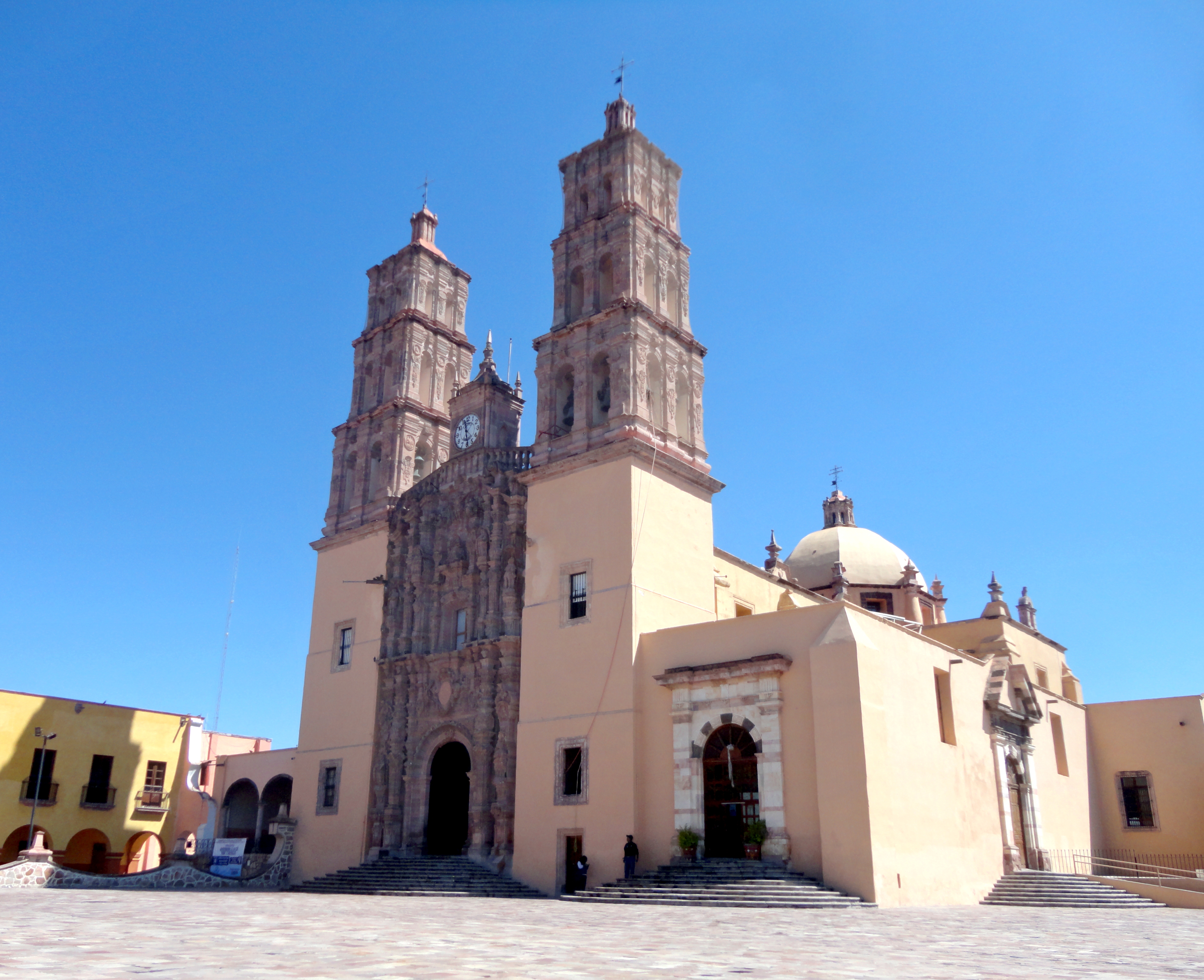
Dolores Hidalgo is where Mexican independence began. On the morning of 16 September 1810, the parish priest Miguel Hidalgo rang the bell of the Parroquia and delivered his Grito — the cry for freedom from Spanish rule — to a crowd of largely indigenous villagers. The ragged army that formed that day marched to San Miguel, then Celaya, Salamanca and finally Guanajuato, growing to 20,000 men along the way. Hidalgo was eventually captured, executed and beheaded; his head hung for years from a corner of the Alhóndiga de Granaditas in Guanajuato. A colossal statue at the outskirts of town now greets visitors in his honour.
The historic core is compact and walkable. Hidalgo's own home, two blocks from the Parroquia, is now the Museo Casa de Hidalgo. The town is also the birthplace of the singer José Alfredo Jiménez, the most beloved figure in Mexican ranchera music; his museum is in the family home, and his mausoleum in the local cemetery — sombrero and sarape carved in stone — is a place of pilgrimage for fans across Latin America.
Today the town is known for two things: Talavera ceramics and unusual ice cream. Small factories and shops selling hand-painted ceramic tiles, plates and figurines line the streets — the tradition was started by Padre Hidalgo himself, who taught the craft to his parishioners. The ice cream stands around the Jardín Principal compete to offer the most unlikely flavours: avocado, corn, fried pork skin, tequila, pulque and shrimp, alongside the more conventional options. Trying something improbable is part of the visit.
Dolores Hidalgo sits between San Miguel de Allende and Guanajuato in the colonial heartland of central Mexico, and makes a rewarding stop on a circuit of the region.