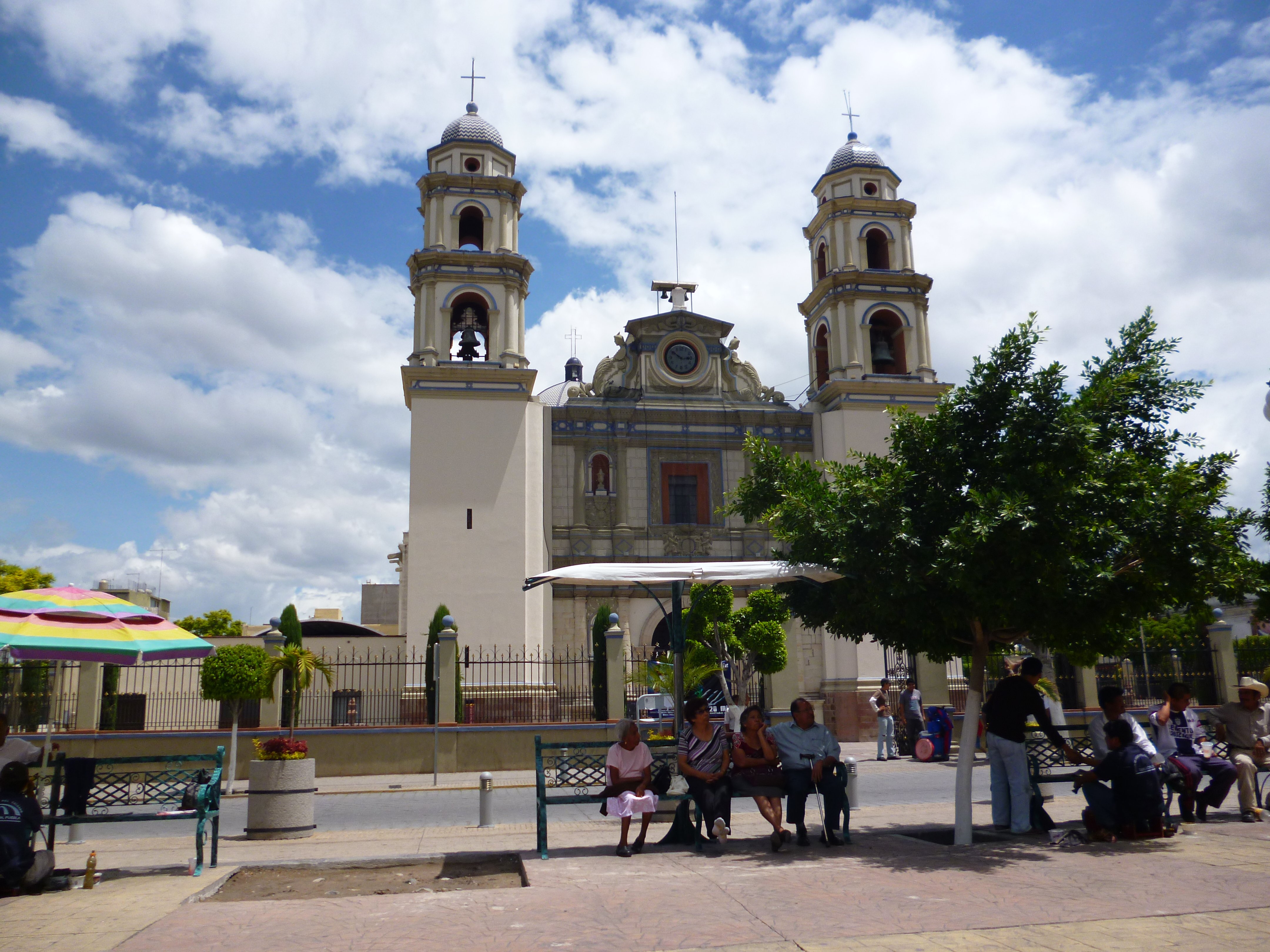
Tehuacan is a mid-sized city in the southeastern corner of Puebla state, sitting in a dry valley at around 1,700 metres. It is best known across Mexico for two things: the mineral water that bubbles up from the local springs — "agua de Tehuacan" is shorthand throughout the country for sparkling water — and the Tehuacan-Cuicatlán Valley, a UNESCO World Heritage Site whose cactus-studded desert landscape stretches south into Oaxaca.
The valley is one of the most important archaeological regions in Mesoamerica. It was here that early settlers began cultivating maize, squash, and chilli thousands of years ago, and the dry climate has preserved seeds and plant remains that transformed our understanding of how agriculture developed in the Americas. The Museo del Valle de Tehuacan in town covers this history well.
Tehuacan itself is a working provincial city rather than a tourist destination, with a pleasant zócalo, a fine 16th-century cathedral, and a calm atmosphere. Most visitors are passing through on their way between Puebla and Oaxaca, but the bottling plant springs, the archaeology, and the stark beauty of the surrounding valley — accessible via the road south toward Zapotitlán Salinas — make it worth a stop of its own.