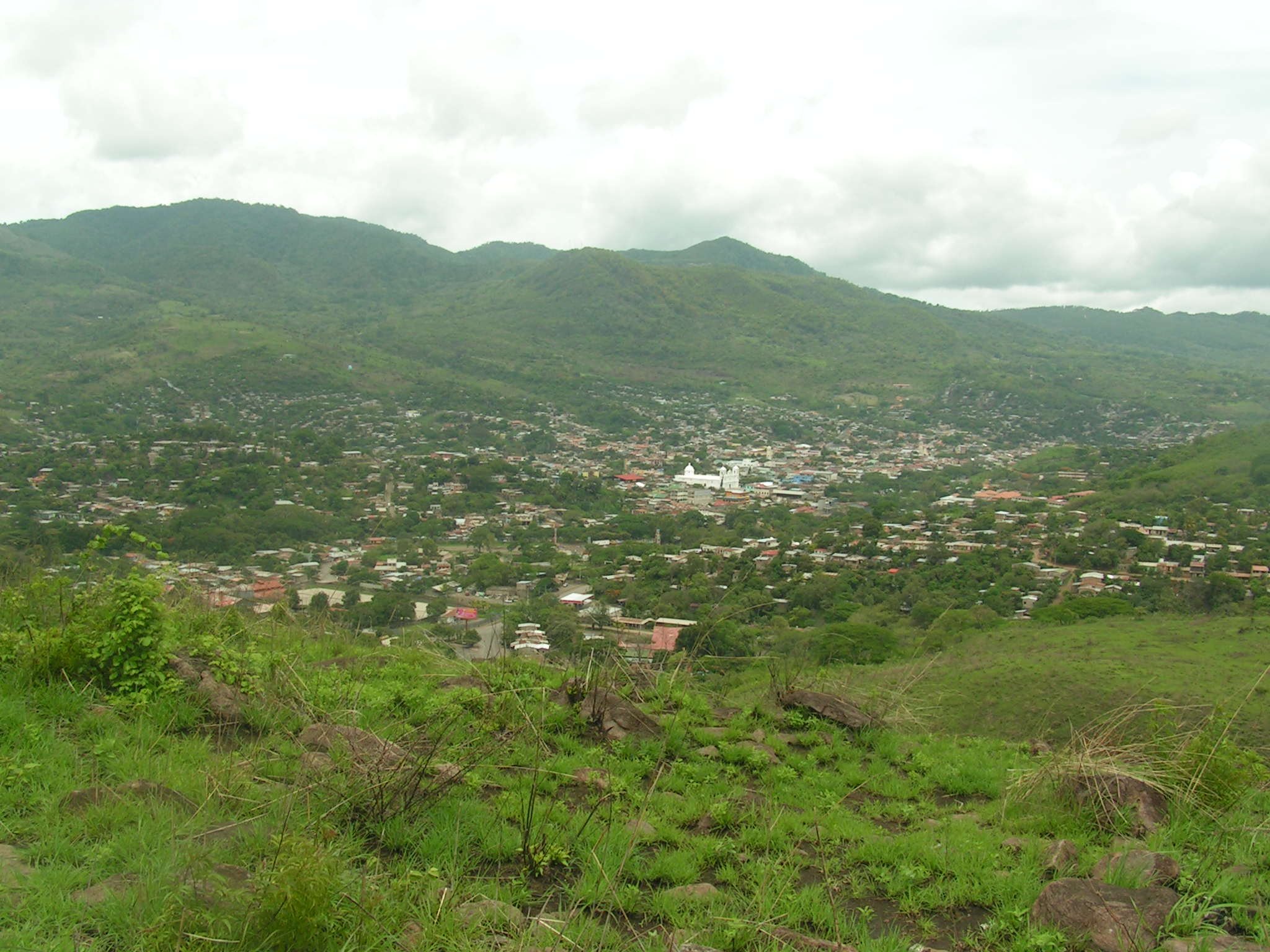
Matagalpa is Nicaragua's coffee capital, a highland city at about 700 metres in the cool, green mountains 130 km north of Managua. The surrounding hills are covered in shade-grown coffee plantations with evocative names — Selva Negra, Hammonia, Bavaria — legacies of the German colonists who planted the region's first coffee in the 1850s and built an industry that still defines the area.
The city itself is the third largest in Nicaragua, with a pleasant climate noticeably cooler than the lowlands. The neoclassical cathedral, built by the Jesuits in 1874, dominates the centre. The colonial Iglesia San José and the church of Molagüina are worth a look, and the Palacio Episcopal houses the Ateneo chapel with a painting of the Holy Family attributed to Bartolomé Murillo. There is a small museum dedicated to Carlos Fonseca Amador, founder of the FSLN, who was born here.
Matagalpa played an unexpected role in Nicaraguan history: it was here that the Ejército del Septentrión was formed — an army of local indigenous fighters armed with bows and arrows who helped defeat the American filibuster William Walker in 1856. The Matagalpan people spoke their own language, related to the Chibcha languages of South America, which survived in remote mountain communities into the late 19th century. Many place names in the region — Palacagüina, Estelí, Samulalí — preserve its sounds.
Beyond the city, the main attractions are the coffee finca tours, birdwatching, hiking in the Cerro Apante cloud forest, and horseback riding through the highlands.