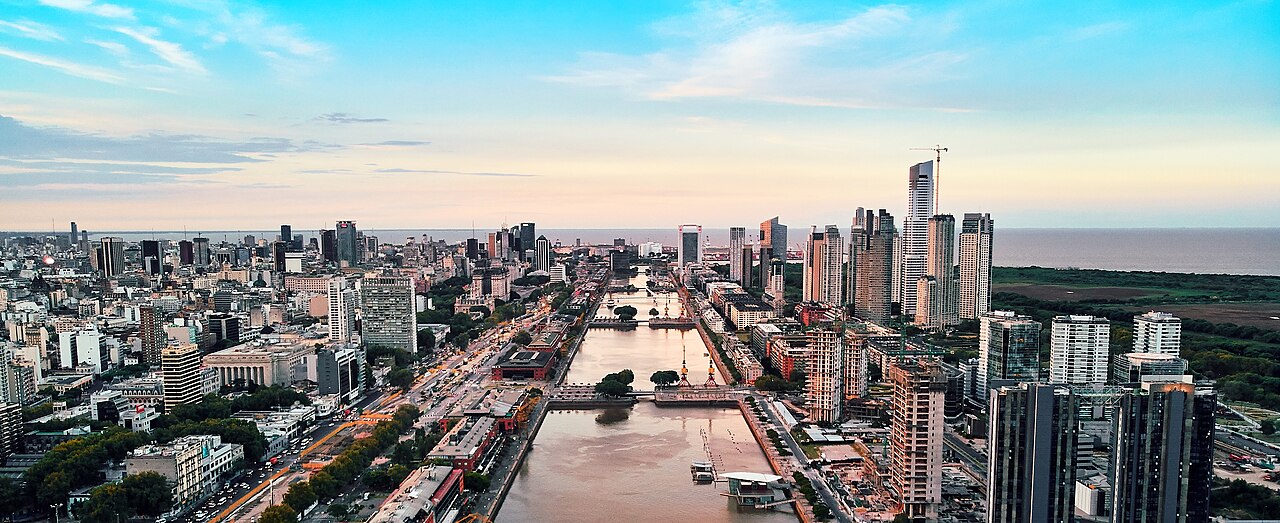
Buenos Aires likes to call itself the Paris of South America. It is more accurate to say that it is the most European of South American cities — and the least European of European ones. The architecture is Haussmann-adjacent, the politics baroque, the national self-image a combination of European pretension and Latin American melancholy, and the result is one of the more fascinating cities on the continent.
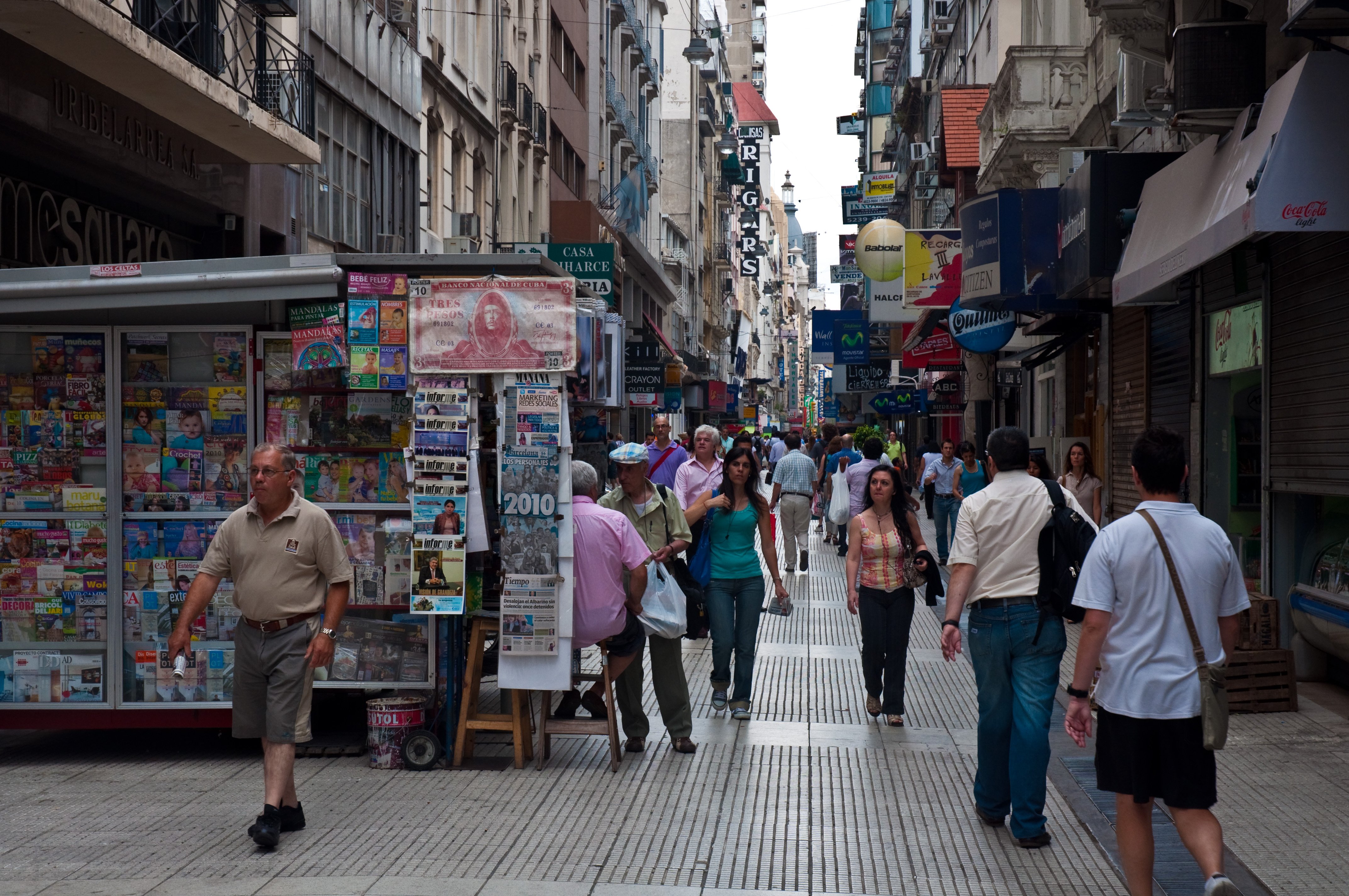
The Microcentro fans out from Plaza de Mayo with the Casa Rosada and the Metropolitan Cathedral, up Avenida 9 de Julio past the Obelisco, and along Avenida Corrientes — the street lined with theatres, bookshops, and cafés that closes only briefly before 6am. The Teatro Colón and the Palacio Barolo — an office tower built as a tribute to Dante's Divine Comedy — are among the finest buildings in South America.
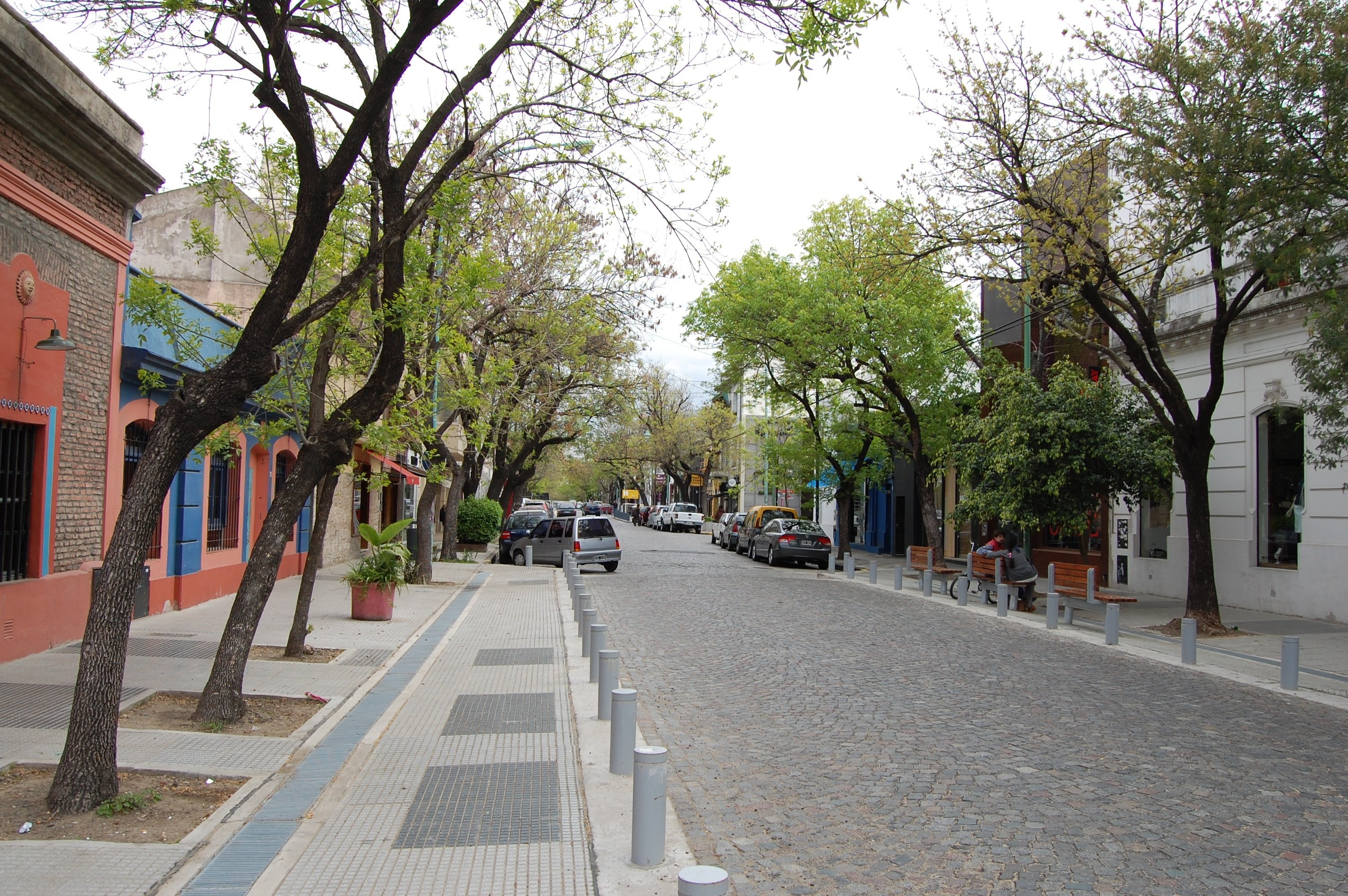
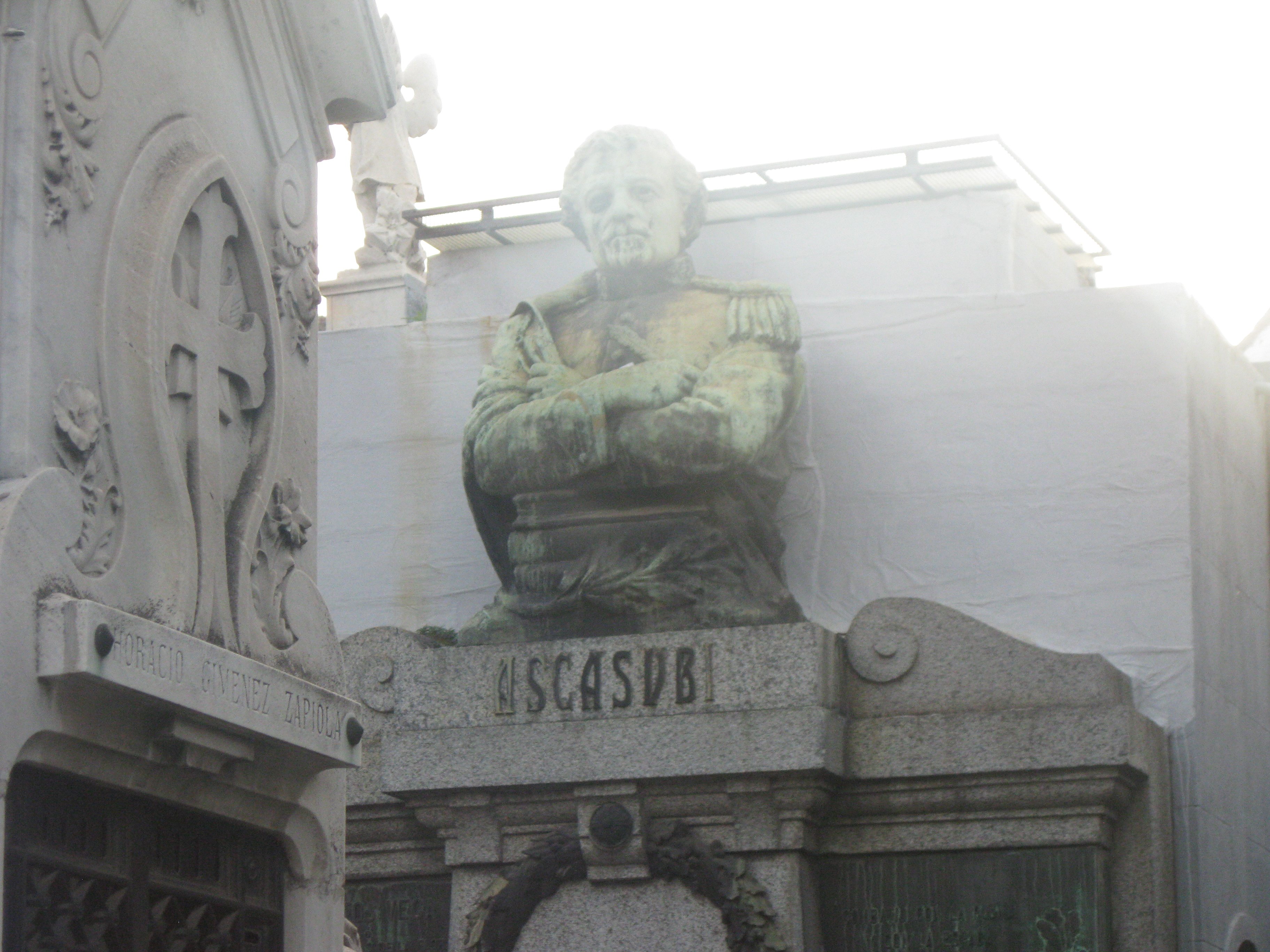
Recoleta is the most European quarter: wide boulevards, old money, the Recoleta Cemetery (where Evita is buried, harder to find than you'd think), the El Ateneo Grand Splendid bookshop in a converted theatre, and the Museo Nacional de Bellas Artes. Palermo further north is the hip neighbourhood: restaurants, bars, the Bosques de Palermo parks along the river, and the Japanese Garden.
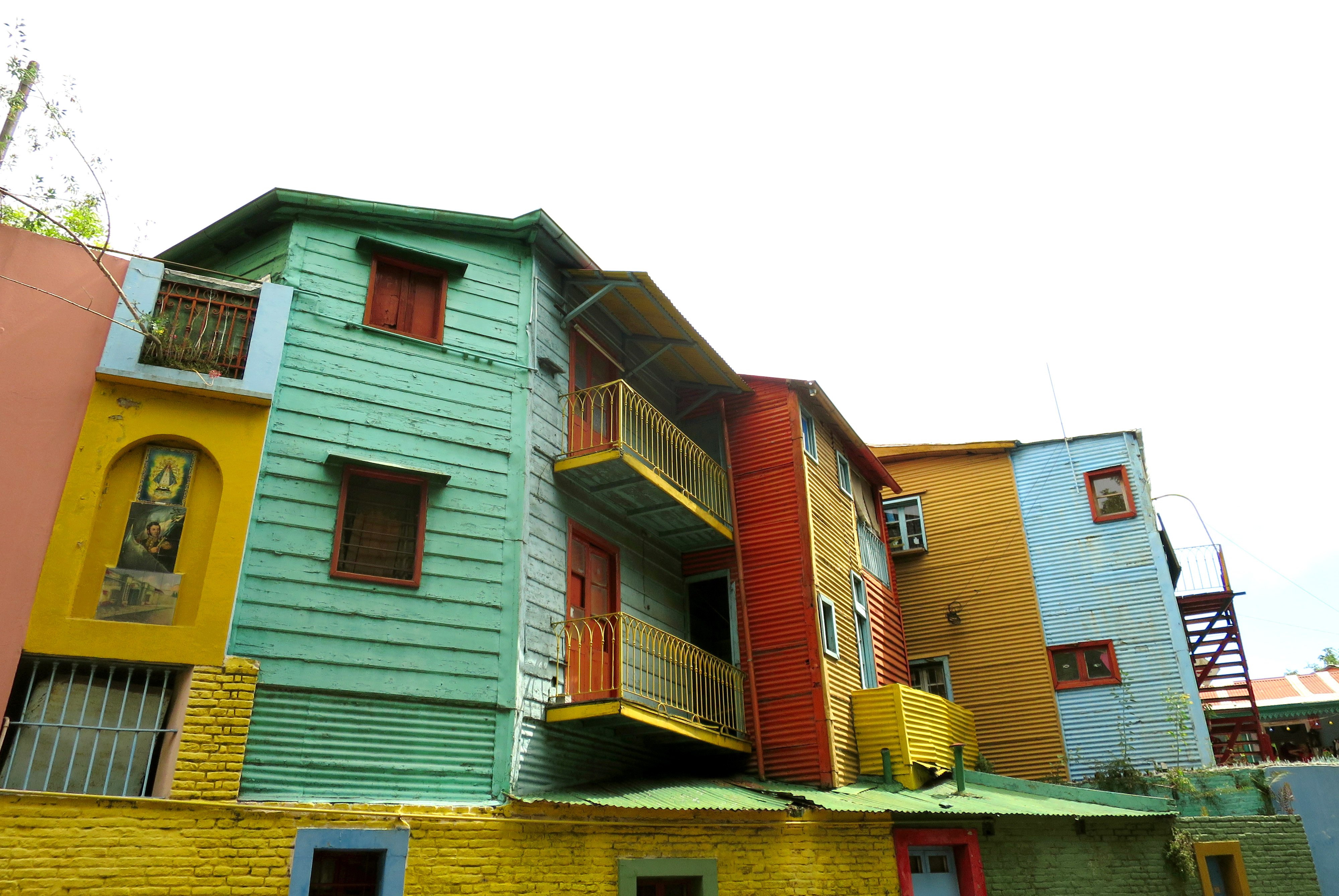
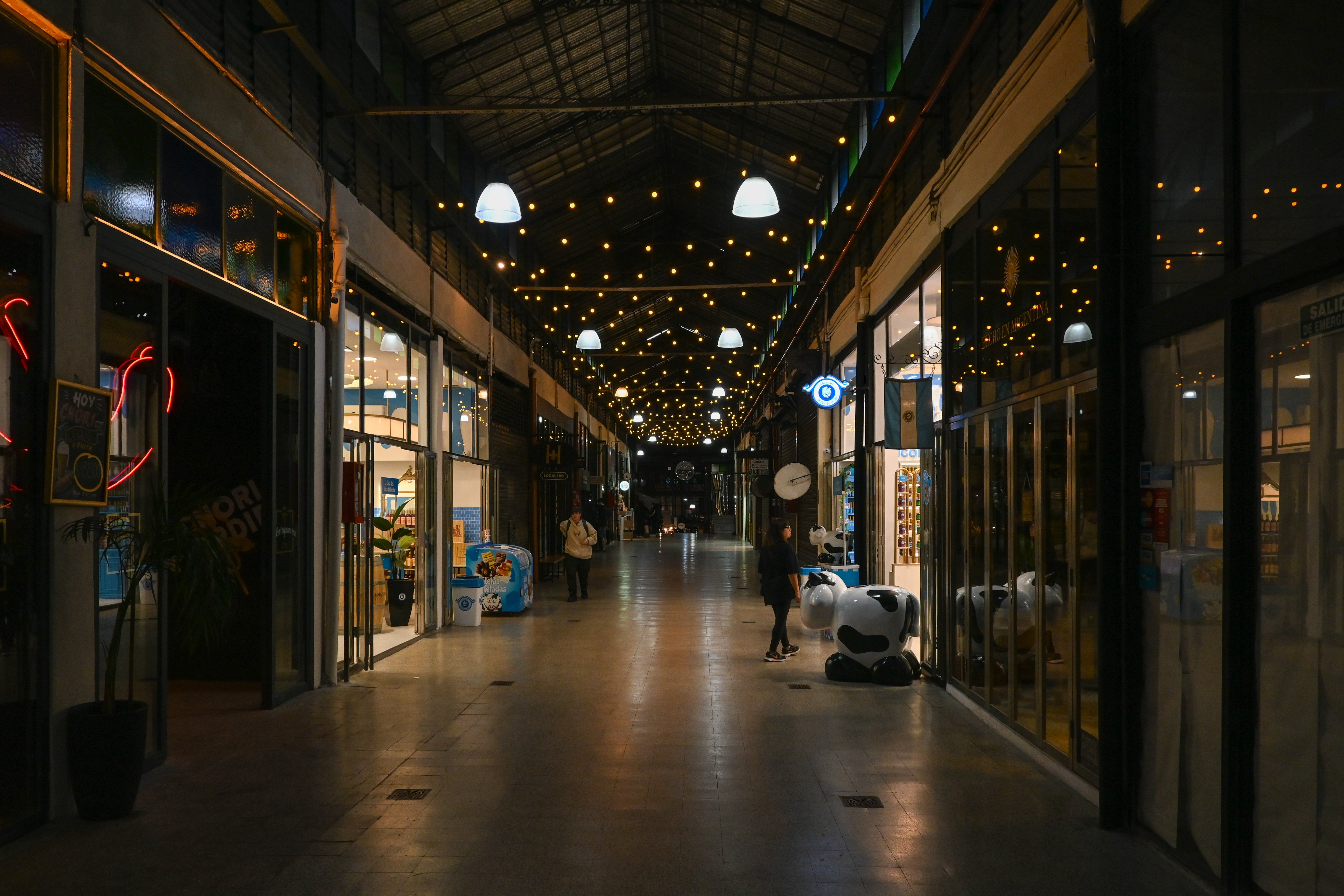
South of the centre, things get more raw. San Telmo — the old colonial quarter — is the place for the Sunday antiques market at Plaza Dorrego, the Mercado de San Telmo, and the underground history of El Zanjón de Granados. La Boca further south, with the corrugated-iron houses of Caminito painted in improbable colours, is the old Italian immigrant district and home to Boca Juniors at La Bombonera.
This is a city that runs late. Dinner rarely starts before 9pm, clubs get going at 2am, and the streets are lively until sunrise at weekends. The food is heavy on beef — best eaten at a parrilla like Don Julio — and on Italian-inflected pasta. Tango is everywhere: in the milonga clubs like La Viruta for the real thing, on the street in San Telmo at the Sunday market, and in polished evening shows for tourists.
Politics here is a national pastime. The Parque de la Memoria and the Espacio para la Memoria at ESMA are sombre monuments to the 30,000 who disappeared during the military dictatorship of 1976–83. Bring cash in US dollars, change at the "blue dollar" rate, and expect prices to make no sense.